


More news on this day
More than ninety combined delays and cancellations involving LATAM Brasil and Azul Linhas Aéreas have disrupted operations at major Brazilian airports in recent days, compounding an already difficult July travel season for domestic passengers.
Get the latest news straight to your inbox!
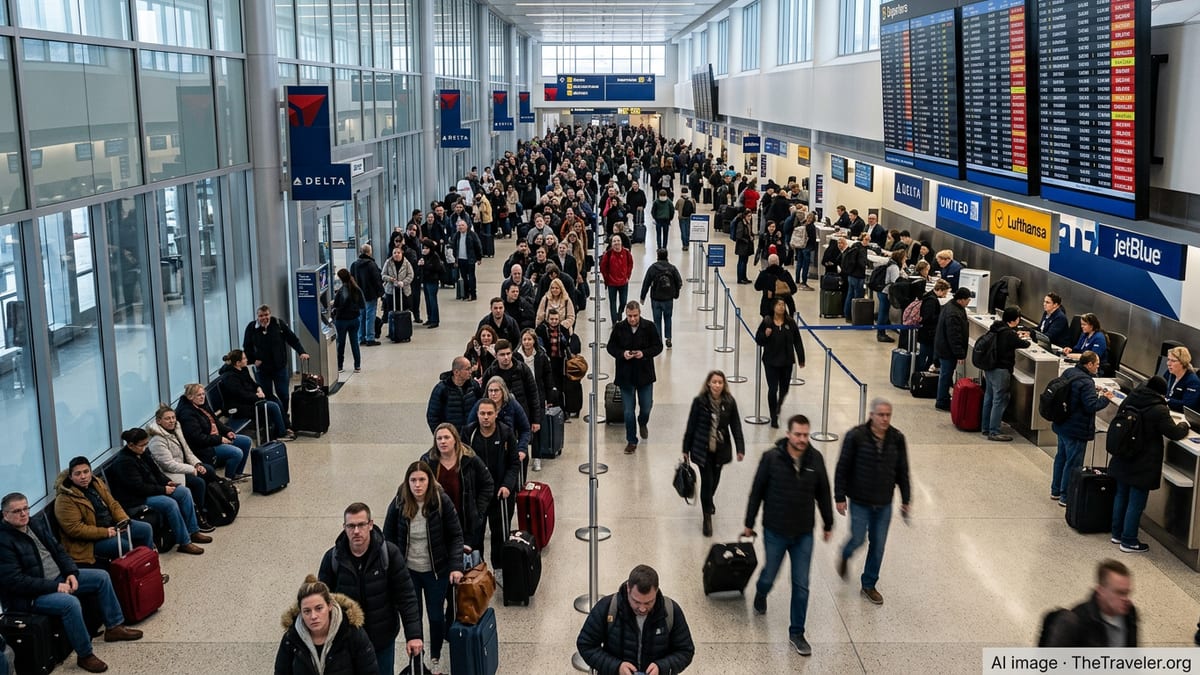
Disruptions Concentrated at Brazil’s Busiest Airports
Published operational data and aviation tracking platforms indicate that the latest wave of irregular operations has been concentrated at Brazil’s busiest hubs, including São Paulo/Guarulhos, São Paulo/Congonhas, Brasília and Rio de Janeiro/Galeão. Over several consecutive days in mid-July, LATAM Brasil and Azul together accounted for more than ninety delayed or cancelled flights across these airports, affecting thousands of travelers during the peak school holiday period.
Recent tallies of Brazil-wide performance show a broader backdrop of strain, with national statistics earlier in July pointing to dozens of cancellations and hundreds of delays in a single day across all carriers. Within that context, LATAM Brasil and Azul appear among the most affected operators, reflecting their dense schedules on high-demand corridors such as São Paulo–Rio de Janeiro and Brasília–Northeast routes.
Individual airport boards and tracking sites for hubs such as Rio de Janeiro/Galeão have listed same-day Azul cancellations alongside delayed LATAM Brasil arrivals and departures, underlining how both airlines have been impacted at the same terminals. At times, multiple disrupted flights have clustered within a few afternoon hours, magnifying knock-on effects for connections and crew rotations.
Operational Pressures During the July Peak Travel Season
The disruptions arrive as Brazilian carriers ramp up capacity for the July holiday peak, when domestic leisure demand surges toward coastal and Northeastern destinations. Azul has announced significant increases in service for this period, including hundreds of additional flights into the Northeast and more than a thousand extra operations systemwide, adding complexity to an already stretched network.
In such peak windows, relatively minor issues can cascade quickly. Congested airspace around São Paulo and Rio de Janeiro, tight turnaround times on shuttle routes, and heavy reliance on a limited number of busy airports make the system vulnerable. When one or two early flights suffer extended delays, aircraft and crews may fail to reach later legs in time, prompting re-timings or cancellations that ripple across the day’s schedule.
Mid-year weather patterns can also play a role. Seasonal rain, low clouds and occasional fog at coastal airports typically require increased spacing between landings and departures, reducing effective runway capacity. Even when meteorological conditions are not extreme, lower ceilings can trigger holding patterns, diversions or last-minute runway changes that add minutes to multiple flights and upset carefully balanced rotations for both LATAM Brasil and Azul.
Impact on Passengers and Key Domestic Routes
The operational difficulties have been particularly visible on high-frequency domestic links such as São Paulo–Rio de Janeiro and Brasília–São Paulo, where LATAM Brasil and Azul both compete with rival carriers. On these trunk routes, a single cancellation can force hundreds of travelers into rebooking queues, while multi-hour delays leave aircraft out of position for subsequent services to secondary cities.
Travelers on leisure-heavy routes to the Northeast and popular resort areas have also been affected. With Azul having expanded capacity to destinations such as Recife and other coastal gateways for July, the airline’s network has less slack to absorb irregular operations without reshuffling aircraft. For passengers, that can mean later departures, unexpected connections or overnight stays at intermediate hubs when original flights are cancelled late in the day.
Reports from Brazilian consumer forums and travel communities highlight mounting frustration over long lines at service desks, difficulties accessing digital rebooking tools and uncertainty about entitlement to assistance. Many travelers appear to be navigating unfamiliar rules regarding meals, accommodation and refunds, particularly on journeys involving multiple segments and codeshare partners.
Passenger Rights and Compensation Framework in Brazil
The current disruptions are unfolding under a regulatory framework that gives Brazilian air passengers defined rights in cases of delays and cancellations. Publicly available guidance referencing National Civil Aviation Agency rules and consumer protection law notes that airlines are obligated to provide graduated assistance as waiting times increase, from communication support and vouchers for food to accommodation and transport when overnight stays become necessary.
In situations where cancellations or substantial delays exceed certain thresholds and are attributable to the carrier’s control, passengers may be entitled to rebooking at no additional cost, reimbursement of the unused ticket portion or, in some cases, financial compensation. Specialized passenger-rights organizations and legal platforms in Brazil actively encourage travelers on affected LATAM Brasil and Azul flights to keep boarding passes, receipts and written records of communications to support potential claims.
However, the practical experience at crowded terminals can diverge from what is written in regulations. Travelers often report challenges in obtaining clear information about the cause of disruptions, the timing of alternative flights and the exact scope of benefits available to them. When disruption is linked to factors such as weather or air traffic management constraints, the boundaries of airline responsibility can appear opaque to passengers seeking redress.
Industry Response and Outlook for the Coming Weeks
Across the Brazilian aviation market, airlines are attempting to balance aggressive capacity plans for the holiday period with the realities of infrastructure limitations and unpredictable operating conditions. LATAM Brasil and Azul have both expanded their networks in recent seasons, adding new routes and increasing frequencies on core city pairs, which can leave less margin for error when irregular operations occur.
Publicly accessible timetables and booking engines show that both carriers intend to maintain a robust schedule through the end of July and into early August, especially on leisure-oriented domestic services. Whether they can deliver that capacity reliably may depend on how effectively they manage crew rosters, maintenance windows and aircraft swaps in response to the recent uptick in disruptions.
Travel planners in Brazil are already reacting by building longer connection times into itineraries and, in some cases, considering alternate routings via secondary hubs to minimize risk. If significant clusters of delays and cancellations persist for LATAM Brasil and Azul across key airports, pressure is likely to grow from consumer advocates and frequent travelers for clearer communication, faster rebooking processes and more proactive use of contingency plans during peak travel weeks.