


More news on this day
The United States has issued an updated worldwide caution for American travelers, citing heightened security risks tied to the escalating war with Iran and a volatile security landscape across the Middle East and beyond.
Get the latest news straight to your inbox!
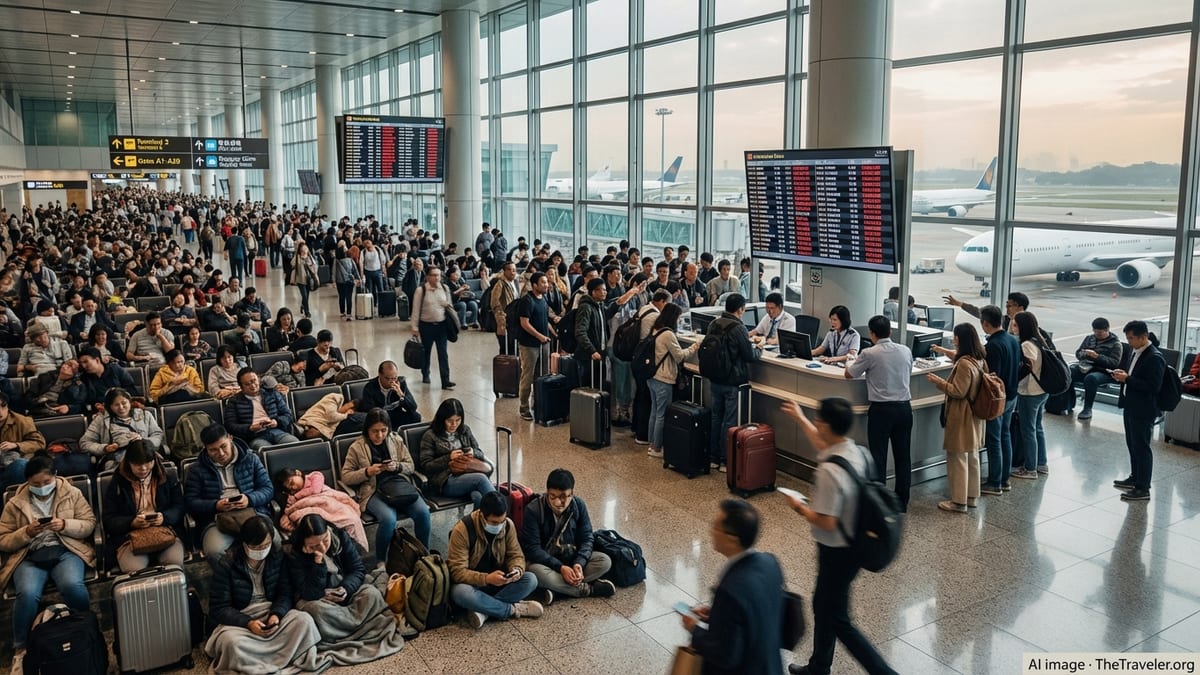
New Worldwide Caution Highlights Heightened Global Risk
The latest worldwide caution, dated July 18, 2026, advises Americans to exercise increased vigilance when traveling or residing abroad in light of the deepening conflict with Iran and its regional fallout. Publicly available guidance states that the global security environment is complex, with a particular focus on the potential for rapid and unforeseen escalation linked to hostilities in and around the Persian Gulf.
The advisory notes that groups aligned with or supportive of Iran could target US interests, facilities, or locations associated with Americans in multiple regions. It points to a risk environment that is not confined to the Middle East, reflecting concerns that tensions over the war could have a wider geographic impact.
The caution follows a series of military exchanges between the United States and Iran, including intensified fighting around the Strait of Hormuz, a key maritime chokepoint. News coverage in recent days has described US strikes on Iranian targets, Iranian missile and drone retaliation, and efforts by Washington to assert control over vital shipping lanes.
Travel officials urge Americans to closely review destination specific country advisories, which may include higher level warnings such as “Do Not Travel” or ordered departures of government personnel, in addition to the overarching worldwide caution.
Iran and Neighboring States Already Under Strict Advisories
Even before the latest global alert, Iran itself was listed at the highest advisory level, with a longstanding directive for US citizens not to travel there. The Iran advisory cites risks that include terrorism, civil unrest, kidnapping, wrongful detention, and limited ability of the United States to provide consular assistance, as Washington and Tehran do not maintain direct diplomatic relations.
Several nearby states have also seen travel warnings hardened since the war began in late February. In March, the United States ordered non emergency US government employees and family members to depart countries such as the United Arab Emirates, Bahrain, and Iraq due to growing concerns about missile and drone attacks, disruptions to commercial aviation, and the possibility of further strikes on critical infrastructure.
Travel guidance for parts of the wider region has been adjusted to reflect the conflict’s spread. Numerous countries bordering the Gulf and eastern Mediterranean are now listed at “Reconsider Travel” or “Do Not Travel” levels, with rationales that include the threat of cross border attacks, militant activity, and potential for localized unrest or anti American sentiment.
Other high risk destinations, including Afghanistan, remain under separate do not travel advisories that pre date the latest round of fighting but are now viewed through the lens of a broader, interconnected regional crisis.
Strait of Hormuz Tensions Add to Aviation and Shipping Disruptions
The security alert comes as Iran and the United States vie for control of the Strait of Hormuz, through which a significant share of the world’s oil supply passes. Reports from regional media and international outlets describe US operations aimed at constraining Iranian maritime movements and Iran’s efforts to respond with missile and drone attacks across the Gulf states.
This contest has had direct implications for travelers and the global transportation system. Airspace closures and reroutings across parts of Iran and the Gulf region have led to long detours, delays, and cancellations on some international routes. Publicly available notices warn that further airspace restrictions or sudden changes in the threat environment could affect commercial flights with little advance notice.
Shipping has also been affected. Coverage of the conflict describes foreign flagged vessels adjusting routes or schedules amid concerns about potential strikes or maritime incidents. While the State Department’s travel advisories primarily address the safety of individual travelers, the broader disruption to trade and transport adds uncertainty for Americans transiting through regional hubs.
Travel industry analysts suggest that major connecting airports in the Gulf and nearby countries could see fluctuating schedules or temporary suspensions of service if hostilities intensify or if additional states impose airspace bans related to the conflict.
Guidance for Americans Abroad and Prospective Travelers
The worldwide caution urges US citizens overseas to maintain a high level of awareness of their surroundings, keep a low profile in sensitive areas, and be prepared for rapid changes in the local security situation. The advisory encourages travelers to monitor reputable news outlets for developments related to the Iran war and follow instructions issued by local authorities in the event of attacks or unrest.
For those planning trips, the State Department recommends careful review of individual country advisories and any recent alerts before booking. The guidance stresses the importance of having contingency plans, including access to funds, alternative travel routes, and reliable communication methods, in case of flight cancellations or border closures.
Americans living, studying, or working in higher risk areas are encouraged in public guidance to consider whether their presence is essential during the current phase of the conflict. Some regional advisories specifically call on US citizens to depart while commercial options remain available, noting that government organized evacuations may be limited or unavailable if conditions deteriorate further.
Travel insurance providers in several markets have also adjusted their coverage in response to the war, and industry reports indicate that some policies may exclude claims related to conflict zones or trips taken against official government advice.
Regional and International Reactions to the Alert
The updated worldwide caution aligns broadly with moves by other governments to harden their own travel guidance on Iran and neighboring countries. Recent notices by European foreign ministries advise against all travel to Iran and warn of the potential for rapid spillover of violence into nearby states, citing the risk of missile strikes, cross border attacks, and demonstrations.
Airlines, shipping firms, and multinational companies are closely watching the situation, with some carriers already diverting or suspending flights over conflict affected areas. Corporate risk assessments cited in business media highlight concerns about staff safety, supply chain disruptions, and the prospect of a protracted confrontation around the Strait of Hormuz.
For American travelers, the latest State Department warning underscores that the Iran war is no longer confined to traditional military front lines. The advisory reflects a view that individuals identifiable as US citizens may face elevated risks in a range of locations, from major transit hubs in the Middle East to diplomatic compounds and sites associated with American culture and commerce in other parts of the world.
As the conflict continues, the worldwide caution is expected to serve as a baseline alert that may be supplemented by more specific, country level warnings, reflecting the fluid and rapidly evolving security picture linked to the Iran war.