


More news on this day
Turks and Caicos, a longtime favorite for U.S. beachgoers, is under renewed scrutiny after an updated American travel advisory highlighted concerns over crime, scams and strict ammunition laws in the Caribbean territory.
Get the latest news straight to your inbox!
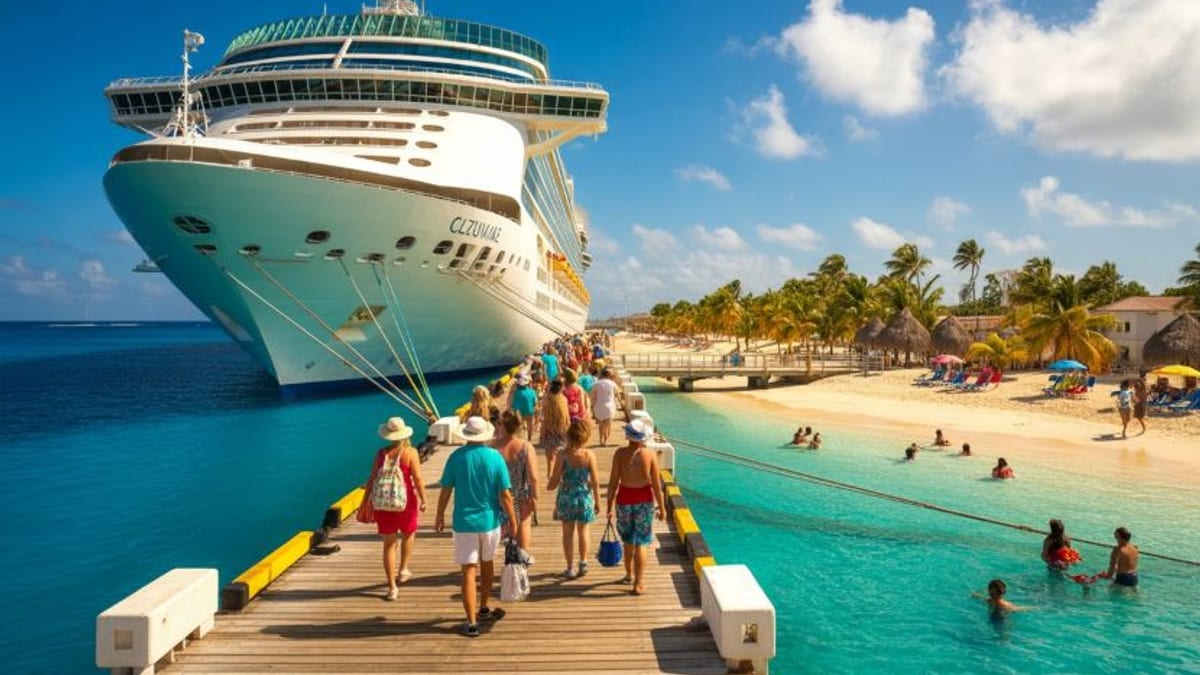
What the new advisory says about visiting Turks and Caicos
The U.S. Department of State recently refreshed its guidance for Turks and Caicos, maintaining a Level 2 advisory that urges travelers to exercise increased caution while on the islands. The updated notice underscores the risk of petty crime in busy tourist areas, as well as a series of scams that have affected visitors in recent years.
The advisory, issued in July 2026, notes that incidents such as theft from hotel rooms and vacation rentals, bag snatching on beaches, and opportunistic crime near nightlife districts have been reported. While violent incidents remain relatively limited around the main resort zones, the guidance cautions that police resources can be stretched and investigations may proceed more slowly than many U.S. visitors expect.
Publicly available information from consular briefings and country information pages also points to the possibility of fraudulent activity targeting tourists. These can include inflated or fictitious fees for services, aggressive sales tactics around tours or water sports, and disputes over bills or deposits at smaller accommodations and rental businesses.
Despite the renewed focus on safety, the overall advisory level has not been raised to the more severe categories used for some regional neighbors. The notice continues to emphasize that most visits are trouble free, provided travelers remain alert, safeguard valuables and avoid risky situations, particularly at night or in isolated locations.
Crime patterns and where visitors are most at risk
Reports compiled by U.S. and local authorities indicate that crime involving visitors in Turks and Caicos is typically opportunistic and clustered around high-traffic tourism zones. Beachfront areas near popular resorts, restaurant strips and nightlife corridors see the bulk of incidents, often involving unattended bags, electronics left in rental cars, or wallets and phones taken in crowded venues.
Recent coverage in travel and regional news outlets highlights occasional cases of robbery and assault away from the main resort districts, especially after dark or in less populated neighborhoods. These events remain relatively rare compared with the overall volume of visitors, but they form part of the rationale for advising travelers to remain aware of their surroundings and to avoid walking in poorly lit or unfamiliar areas.
Security briefings for the Caribbean have also drawn attention to the role of alcohol in some incidents, noting that intoxicated tourists can be more vulnerable to theft, disputes and unsafe decisions about transportation. Visitors are encouraged to use licensed taxis or prearranged transfers, travel in groups when possible, and keep hotel staff informed of any planned late-night outings away from the immediate resort area.
Island infrastructure and policing capacity can influence how quickly incidents are resolved. Published guidance stresses that response times and investigative resources may differ from what travelers are accustomed to in major U.S. cities, a factor that makes preventive measures and personal vigilance especially important.
Scams, fees and the territory’s strict ammunition laws
Beyond street-level crime, the latest advisory and related public information materials place significant emphasis on scams and legal risks that can catch visitors off guard. Reports from travel media describe disputes over rental cars, jet skis and small boats, where tourists have faced unexpected charges for alleged damage, extra fuel or late returns.
Travel analysts note that visitors can reduce their exposure to these issues by documenting the condition of rental equipment with photos at pick-up and drop-off, insisting on written contracts that spell out all fees, and using credit cards that provide itemized statements and dispute mechanisms. In the rare event of outright fraud, travelers may need to work through their card issuer or travel insurance provider after leaving the islands, given the limited scope of on-the-spot remedies.
A particularly sensitive issue in Turks and Caicos involves the territory’s firearm and ammunition laws, which are far stricter than in most parts of the United States. Recent international coverage has drawn attention to cases in which visitors faced arrest and potential prison terms after undeclared ammunition was discovered in checked or carry-on luggage, sometimes forgotten from previous hunting or shooting trips at home.
The updated advisory reiterates that possession of even a single stray bullet can lead to arrest, detention and prosecution. Travelers are urged to thoroughly inspect all bags, including those used frequently for outdoor or sporting activities, before departing for the islands. Tourism commentators emphasize that this point has become one of the most important practical takeaways for U.S. travelers planning a Caribbean beach vacation in Turks and Caicos.
How the advisory compares with other Caribbean hot spots
Turks and Caicos is not alone in facing heightened scrutiny from Washington. Other popular Caribbean destinations, including Saint Lucia, the Dominican Republic and parts of Mexico’s Caribbean coast, currently sit at similar advisory levels that call for increased caution rather than outright avoidance of travel.
In recent weeks, Saint Lucia in particular has drawn attention after its advisory was raised to Level 2, with U.S. guidance now pointing to an uptick in violent crime and concerns about slow police response. Barbados, the Bahamas and several other tourism hubs across the region carry comparable warnings about petty crime, scams and the need for travelers to remain aware of their surroundings.
Travel-industry observers say the updated Turks and Caicos notice fits into a broader pattern of more detailed, frequently refreshed guidance for global destinations. Rather than signaling that a destination has suddenly become unsafe, a Level 2 advisory often reflects a mix of long-standing crime realities, shifts in reporting standards and a desire to provide clearer expectations for U.S. citizens abroad.
Comparative analyses of Caribbean advisories also show that risk levels can vary significantly within a single country or territory, with resort corridors often experiencing far lower crime rates than some urban neighborhoods. This has led many travel experts to recommend that tourists look beyond the headline advisory level and consider local conditions and neighborhood-specific advice when planning their itineraries.
What travelers should do before and during a trip
For visitors who already have flights and hotel bookings to Turks and Caicos, travel planners suggest that the new advisory is a prompt to review, rather than cancel, upcoming trips. Checking the latest U.S. government guidance, reading current destination coverage and confirming safety practices with accommodations can help travelers understand what to expect on arrival.
Basic precautions remain the cornerstone of staying safe on the islands: keeping passports and valuables in hotel safes, avoiding visible displays of expensive jewelry or electronics, and carrying only the cash needed for the day. Many tourism professionals also recommend using hotel-recommended taxi services, pre-booked airport transfers and reputable tour operators with clear pricing.
Choosing travel insurance that includes coverage for theft, trip interruption and legal assistance can provide another layer of protection. Policy details vary widely, so travelers are encouraged to verify whether their plan covers lost belongings, emergency medical care and support in the event of becoming a victim of crime or fraud while abroad.
For some visitors, the updated advisory will serve mainly as a reminder to balance Turks and Caicos’ celebrated beaches and luxury resorts with a realistic view of everyday risks. As with many popular destinations around the Caribbean, the key message is not to stay away, but to arrive informed, prepared and attentive to local conditions.