


More news on this day
The United States has issued a fresh warning urging Americans in Iran to leave immediately, citing the possibility of sudden flight cancellations, airspace restrictions, and changing conditions at land border crossings as regional tensions remain elevated.
Get the latest news straight to your inbox!
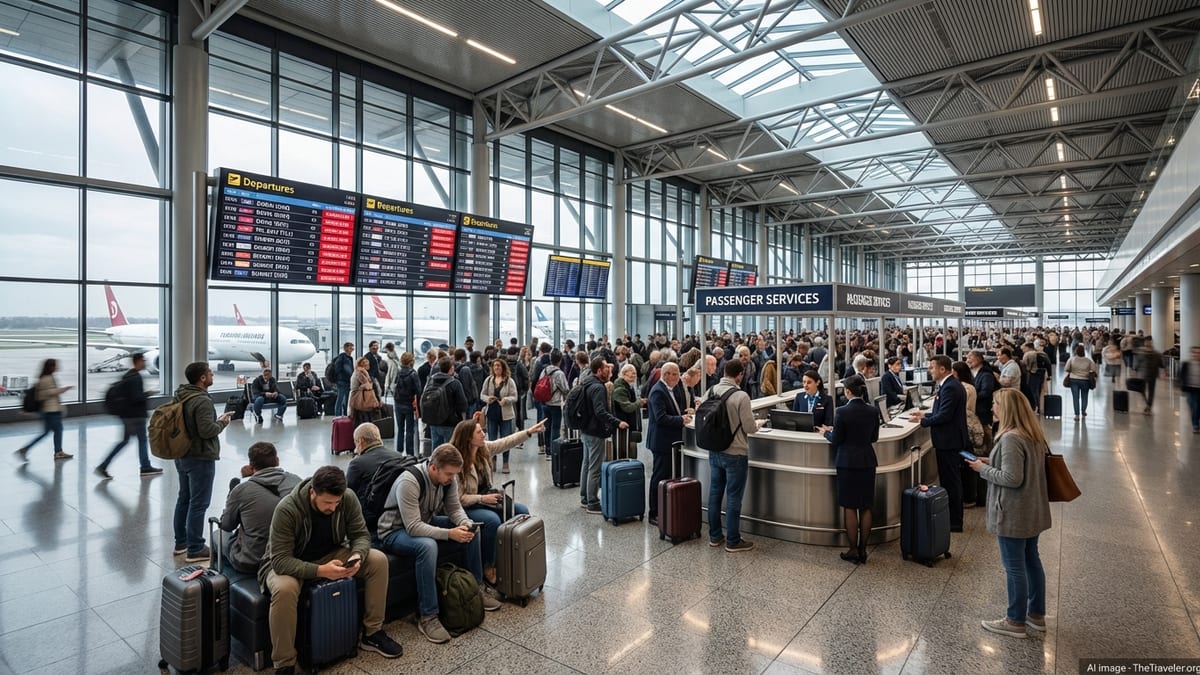
What the latest US warning says, and why it matters now
Published coverage indicates the alert was circulated through the US Virtual Embassy in Iran, repeating long-standing guidance that Iran is a “Do Not Travel” destination while emphasizing that transportation options can narrow with little notice. The warning highlights the practical risk to travelers: even those ready to depart may face rapidly shifting airline schedules, temporary airport disruptions, or changes in overflight permissions that ripple across the region.
The State Department’s Iran travel advisory remains at Level 4 (Do Not Travel) and continues to include the directive that US citizens in Iran should leave immediately. Publicly available information also notes that the United States has no embassy in Iran and that consular support is limited, with Switzerland serving as the protecting power for US interests.
For travelers, the operational takeaway is that “leave now” messaging can be less about a single event and more about the reality that once airspace restrictions, airport disruptions, or internal movement limits begin, booking any workable route out can become far harder within hours.
Flights and airspace: why disruptions can spread beyond Iran
Even when commercial flights are operating, aviation safety constraints and rerouting decisions can reduce capacity quickly. European aviation safety guidance has continued to treat Iran’s airspace as high risk, advising operators not to operate within the Tehran Flight Information Region across all altitudes and flight levels during the current validity period. When major carriers avoid airspace, routes lengthen, schedules thin out, and remaining services can sell out faster.
In practical terms, travelers may see last-minute cancellations, longer journey times, and irregular operations as flights detour around restricted zones. Published coverage over the past year has shown how regional disruptions can cascade through hub airports outside Iran as well, affecting connections and rebooking options across the wider Middle East.
Travelers with tickets should monitor airline notifications closely and verify whether their itinerary involves reroutes that could trigger missed connections. When disruptions are widespread, the most “available” itinerary on a booking site may not be the most reliable if it depends on tight connections or airports experiencing traffic surges.
Land borders: more options on paper than in real life
The US alert language about border disruptions is especially important for those considering an overland departure. Publicly available US guidance has previously pointed to potential routes to Türkiye or Armenia if conditions are safe, while also cautioning that border procedures and entry requirements can change without notice.
For Americans weighing an overland route, the main constraint is not just the Iranian side of a crossing. Entry requirements, documentation checks, and capacity limits on the receiving side can also shift quickly, and transport to the border can be affected by internal checkpoints, road closures, or local security measures.
US public information has also warned against travel near certain areas, including the Afghanistan border, Iraq, and the Pakistan-Iran border area, reflecting broader security and stability concerns that can complicate overland planning.
Consular reality: limited help and special risks for dual nationals
Because the United States does not maintain diplomatic or consular relations in Iran, assistance options are constrained compared with destinations where a US embassy can provide routine services. Publicly available State Department information notes Switzerland’s role as protecting power for US interests, a structure that can help in limited circumstances but does not function like a full-service consular presence.
Another recurring issue is the treatment of dual nationals. Public US guidance has warned that Iran may not recognize US citizenship for dual US-Iranian nationals and that people with a claim to Iranian nationality can face additional complications, including restrictions on departure. The practical effect is that some travelers may be subject to Iranian exit processes that differ from what US-only passport holders expect elsewhere.
The State Department’s standing advisory for Iran also highlights the risk of detention and exit bans, and it urges travelers to have a departure plan that does not rely on US government evacuation. For travel consumers, that means planning with the assumption that commercial options could be the only realistic path out.
What travelers should do right now if they have ties to Iran travel
Americans currently in Iran who are able to depart safely may want to prioritize decisions that preserve flexibility, such as choosing routings with fewer connections and confirming whether land-border alternatives remain viable before starting an overland trip. The US government’s public messaging also encourages enrollment in STEP to receive updates and to make it easier for officials to contact travelers or their emergency contacts during a crisis.
For Americans outside Iran, the warning is also a reminder to reconsider any non-essential travel that could be impacted by regional airspace changes. Even travelers not headed to Iran can be affected through reroutes, longer flight times, and sudden cancellations if their itinerary uses Middle East hubs or overflies nearby high-risk corridors.
Anyone with imminent plans should check the date and level of their destination’s travel advisory, watch for airline waivers, and keep documentation and funds accessible for quick rebooking. When tensions rise, the earliest disruption is often not a complete shutdown but a rolling series of schedule changes that can strand travelers who wait too long to adjust.