


More news on this day
More than 650 flights were delayed at Denver International Airport as thunderstorms disrupted arrival and departure flows, creating long ripple effects for travelers connecting through one of the nation’s busiest hubs.
Get the latest news straight to your inbox!
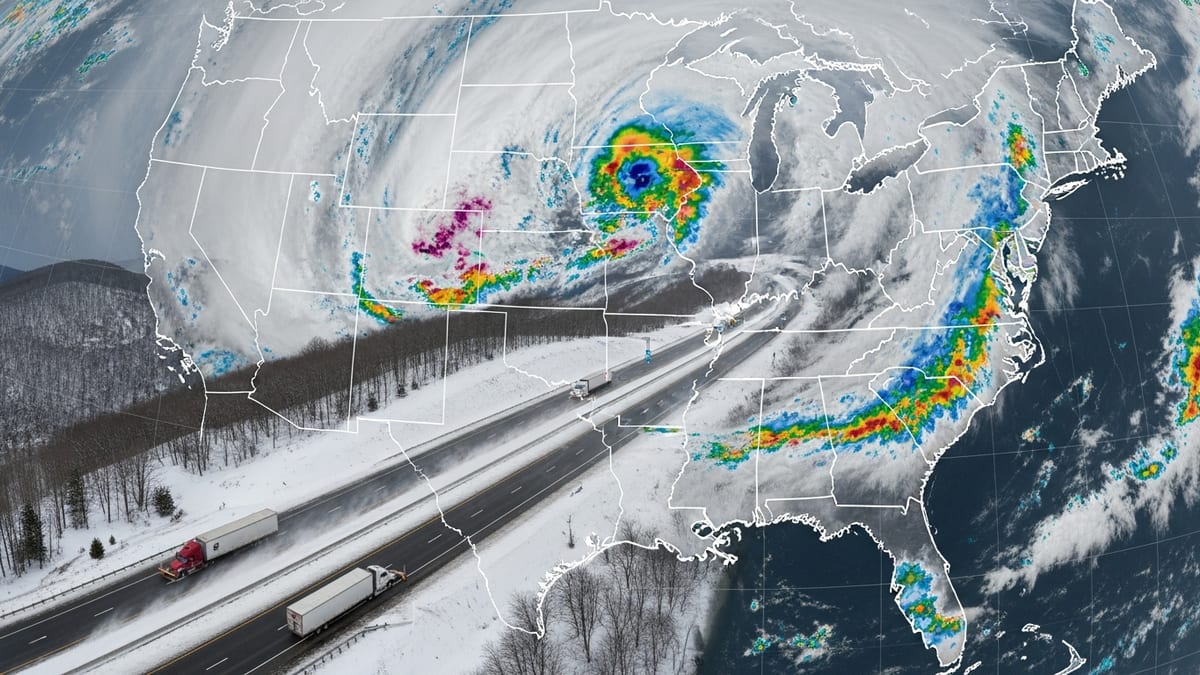
Storm-driven disruptions hit a major U.S. connecting hub
Flight-tracking data and published coverage indicated widespread delays at Denver International Airport (DEN) as thunderstorms moved through the Front Range, slowing ramp activity and reducing the safe rate of arrivals and departures. While delays can build at any large hub, Denver’s role as a central connector means disruption there often spreads quickly to other cities when inbound aircraft and crews arrive late.
In weather events like these, delays are frequently compounded by air-traffic flow restrictions and the operational reality that aircraft cannot be turned at the gate when lightning or heavy precipitation limits outdoor work. When storms peak near scheduled banks of arrivals and departures, missed connections can follow even after skies begin to clear.
What the FAA’s real-time airport status showed
Publicly available FAA airport-status information for Denver on Monday showed conditions capable of producing gate holds and taxi delays, with general arrival and departure delays listed at 15 minutes or less in the early FAA update window. That high-level snapshot is not flight-specific, but it provides a baseline for the air-traffic system’s measured constraints at a given moment.
The FAA also routinely flags thunderstorms as a factor that can slow air traffic into Denver and other major airports during convective-weather periods, noting that storms can trigger traffic-management initiatives designed to meter the flow of aircraft and prevent airborne holding from becoming unsafe or excessive.
For travelers, the key point is that FAA “airport status” can look relatively modest even when the rolling impact on airline schedules remains significant, especially if earlier constraints caused aircraft and crews to become mispositioned across the network.
How thunderstorms translate into delays on the ground
Thunderstorms can block arrival routes, reduce runway acceptance rates, and create gate congestion when departures slow. The FAA’s weather-delay guidance explains that when storms prevent landing, aircraft may be slowed, placed in holding patterns, or diverted to alternate airports until conditions improve, which can add delays even after the weather cell has moved away from the field.
Airlines also have to manage “ramp constraints” during lightning risk, since fueling, baggage loading, and other outdoor servicing may be paused for safety. That can lead to aircraft sitting at gates longer than scheduled, limiting space for arriving flights and increasing the odds that inbound aircraft wait for a gate or remain in a ground-delay program before departure to Denver.
Separately, travelers should be aware of U.S. tarmac-delay rules that limit how long airlines can keep passengers on board at the gate or on the taxiway without an opportunity to deplane, a factor that influences carrier decisions to delay departures at the origin rather than pushing back and waiting in a long queue.
What travelers can do right now if they’re flying through DEN
During thunderstorm-driven irregular operations, schedule changes can occur repeatedly in a short time. Travelers can reduce surprises by checking the airline’s app for gate changes and updated departure times before leaving for the airport, then rechecking after clearing security in case aircraft swaps or crew legality issues trigger another adjustment.
If you are connecting through Denver, it can help to review backup routing options early, since later rebookings often become more limited once inbound flights begin to arrive late in clusters. Travelers with tight connections may want to monitor their inbound aircraft’s location and departure status, as that often signals whether a connection is at risk before the airport departure board reflects it.
On the ground, Denver International Airport’s website provides flight-status lookup tools and general traveler guidance, while the FAA’s airport-status page offers a system-level view of delays. Together, these sources can help travelers distinguish between localized weather impacts and broader flow restrictions that can affect flights headed to or coming from Denver even when skies appear clearer at a specific moment.
Why DEN disruptions can ripple far beyond Colorado
Denver’s central geography and high volume of connecting passengers make it a key “through point” for domestic itineraries. When storms slow Denver’s operation, aircraft that would normally turn quickly to cities across the West, Midwest, and East can depart late, bringing delays to subsequent legs that may never touch Colorado weather.
Thunderstorm impacts can also overlap with other constraints such as congestion in surrounding airspace or reroutes around storm cells, which can lengthen flight times and tighten turnaround schedules. Even a brief ground stop or reduced arrival rate can cascade into hours of disruption during peak travel periods.
As conditions improve, airlines typically work to recover by swapping aircraft, consolidating schedules, and repositioning crews, but travelers may still see rolling delays into the evening as the day’s network rebalances.