


More news on this day
Travel across Peru and parts of South America faced fresh disruption on May 22 as Jorge Chávez International Airport in Lima registered at least 21 delayed flights and five cancellations, with services operated by LATAM Peru, Flybondi, Delta Air Lines and JetSMART Peru among those affected.
Get the latest news straight to your inbox!
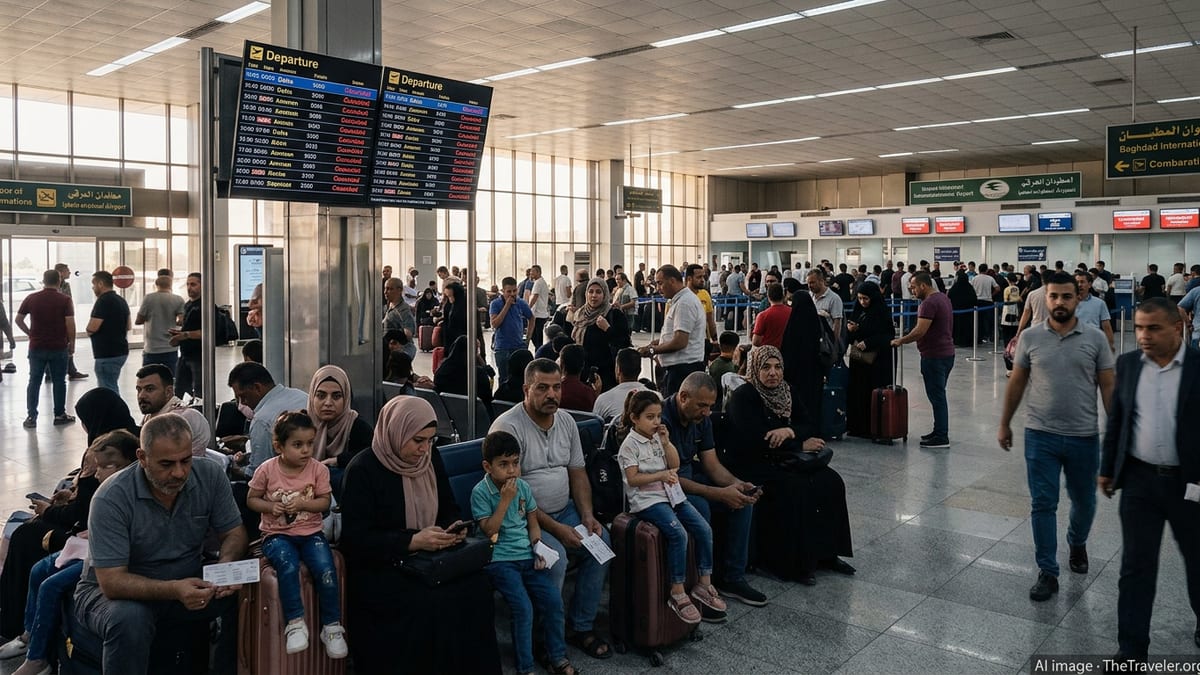
Operational Strain Triggers New Round of Delays
Publicly available flight tracking data for May 22 shows an unusual build up of late departures and arrivals at Jorge Chávez International Airport, with more than twenty services running behind schedule and several rotations cancelled outright. The disruptions span both domestic and international routes, indicating broader operational strain rather than an isolated route problem.
Traffic data for Lima highlights a dense morning and evening bank of flights, with multiple LATAM Peru departures to regional hubs such as Buenos Aires, La Paz and Miami already scheduled with historical average delays of around 20 minutes or more. Several Delta Air Lines codeshare services operated by LATAM Peru out of Lima also show consistently weak on time performance, underlining how congestion at Jorge Chávez can ripple across partner networks.
While the specific triggers for individual delays vary, recent patterns at the airport point to a mix of tight turnaround times, weather disruptions on certain domestic corridors and continued infrastructure works tied to the multiyear expansion of Lima’s main gateway. Flight performance statistics compiled over the past months rank some Lima routes among the poorest in the region for punctuality.
For passengers, the result on May 22 has been longer queues at check in and security, crowded departure gates and missed connections on onward flights throughout the region. Many travelers have turned to social media and online forums to document extended waits and last minute schedule changes affecting itineraries through Lima.
LATAM Peru at the Center of the Disruptions
As the largest operator at Jorge Chávez and a key hub carrier for Peru, LATAM Peru has been particularly exposed to the latest disruption cycle. The airline operates a dense network from Lima to major South American cities such as Buenos Aires, Santiago, São Paulo, Bogotá and Quito, together with a wide array of domestic routes to Cusco, Arequipa, Iquitos and other key destinations.
On May 22, several LATAM Peru flights showed late departures or arrivals, while a handful of services were marked as cancelled, contributing to the tally of five cancellations impacting the day’s schedule at Jorge Chávez. Because many of these flights are also sold under Delta Air Lines codes, the operational problems in Lima have had a direct effect on passengers traveling on Delta itineraries to and from North and South America.
Recent corporate reports from LATAM Group acknowledge that improvement works at Lima, including runway management and terminal changes, are expected to put additional pressure on punctuality during 2026. The group has noted that infrastructure constraints at hub airports such as Lima can have a material effect on operations, especially during peak travel periods.
For travelers booked on LATAM Peru and partner services, the current pattern of delays means that leaving extra time for connections in Lima has become increasingly advisable. Travel industry observers also note that, as the expansion of Jorge Chávez progresses, occasional waves of disruption may recur when runway usage or terminal flows are adjusted.
Low Cost and Regional Players Also Feel the Impact
The disruption has not been limited to the dominant hub carrier. Low cost operators and regional airlines using Jorge Chávez as a key South American gateway have also been swept into the turbulence, including Flybondi and JetSMART Peru. Both airlines rely on Lima to feed traffic between Peru and secondary cities in Argentina, Chile and Colombia, using tight turnarounds to keep aircraft utilization high.
Flybondi links Lima with destinations such as Puerto Iguazú, while JetSMART Peru operates from Jorge Chávez to cities including Buenos Aires, Cartagena, Medellín and Quito. When delays and cancellations build up in Lima, the knock on effect can be particularly acute for these point to point routes, where fewer daily frequencies leave passengers with limited same day rebooking options.
On May 22, publicly accessible schedules showed late running on several regional departures, while at least one Flybondi service and a JetSMART Peru rotation were reported as cancelled or significantly delayed. These setbacks have raised concern among passengers who chose low cost carriers for quick South American hops and now face lengthier journeys or unexpected overnight stays.
Industry analysts point out that while low cost carriers generally advertise lean operations and rapid recovery times, they are highly vulnerable when a primary hub like Lima experiences systemic disruption, since spare aircraft and crew are often based in other countries and cannot be redeployed quickly.
Domestic Routes and Weather Sensitive Corridors Under Pressure
Domestic travel within Peru has also felt the strain. Lima’s links to key cities such as Arequipa and Cusco are heavily used by business travelers and tourists alike, and are essential connectors for trips to landmarks including Machu Picchu and the Colca Canyon. Any disruption on these routes can cascade across the tourism ecosystem.
Recent coverage from Peruvian media has documented weather related cancellations on the Lima–Arequipa corridor during the first months of 2026, as low cloud and visibility issues have occasionally forced operators to adjust schedules. Although not every delay on May 22 is tied to weather, these sensitive mountain and coastal routes add complexity to operations at Jorge Chávez during the southern autumn and winter period.
Regional performance data for flights between Lima and secondary cities suggest that even relatively short sectors can suffer from persistent minor delays when the hub airport is operating near capacity. Once a morning wave of flights falls behind schedule, aircraft and crews can remain out of position for the rest of the day, magnifying the effect of each additional disruption.
For domestic passengers connecting in Lima to international flights operated by LATAM Peru, Delta, JetSMART Peru or Flybondi partners, this network fragility increases the risk of missed onward flights. Travel planners are advising visitors to Peru to schedule longer connection windows and to monitor domestic flight status closely in the days leading up to departure.
What Travelers Using Lima Need To Know Now
The latest episode of disruption at Jorge Chávez highlights ongoing challenges as Lima balances rapid growth in passenger numbers with infrastructure that is still in transition. The airport remains Peru’s main international gateway and a critical hub for regional connectivity, but days like May 22 expose vulnerabilities when schedules are tightly packed and external factors intervene.
Publicly available information from airlines and airport channels suggests that more operational adjustments are likely as expansion work progresses through 2026. Airlines including LATAM Peru, low cost players such as JetSMART Peru and Flybondi, and international partners like Delta Air Lines may continue to fine tune their Lima schedules in response to runway usage patterns, construction milestones and evolving demand.
For now, passengers planning to travel through Lima are being encouraged by travel advisors and consumer groups to build additional buffer time into their itineraries, especially when connecting between different carriers. Keeping documents and travel apps handy for real time updates, and being prepared for gate or timing changes on the day of travel, can help mitigate some of the stress associated with unexpected delays or cancellations.
As Peru enters a busy period for both domestic tourism and regional business travel, the performance of Jorge Chávez International Airport will remain under close scrutiny from passengers, airlines and tourism stakeholders alike. The events of May 22 serve as another reminder that Lima’s role as a South American hub comes with operational challenges that are still being worked through on the ground.