


Adventure travel has evolved far beyond basic bus tours and big cruise ships. Today, serious explorers are choosing between two influential names in immersive travel: Lindblad Expeditions, known for its small ships and deep field expertise, and National Geographic Expeditions, which offers everything from polar voyages with Lindblad to photography safaris and private jet trips around the globe. Understanding how these brands overlap, and where they differ, is essential if you are investing thousands of dollars and limited vacation days into a once-in-a-decade trip.
Get the latest updates straight to your inbox!
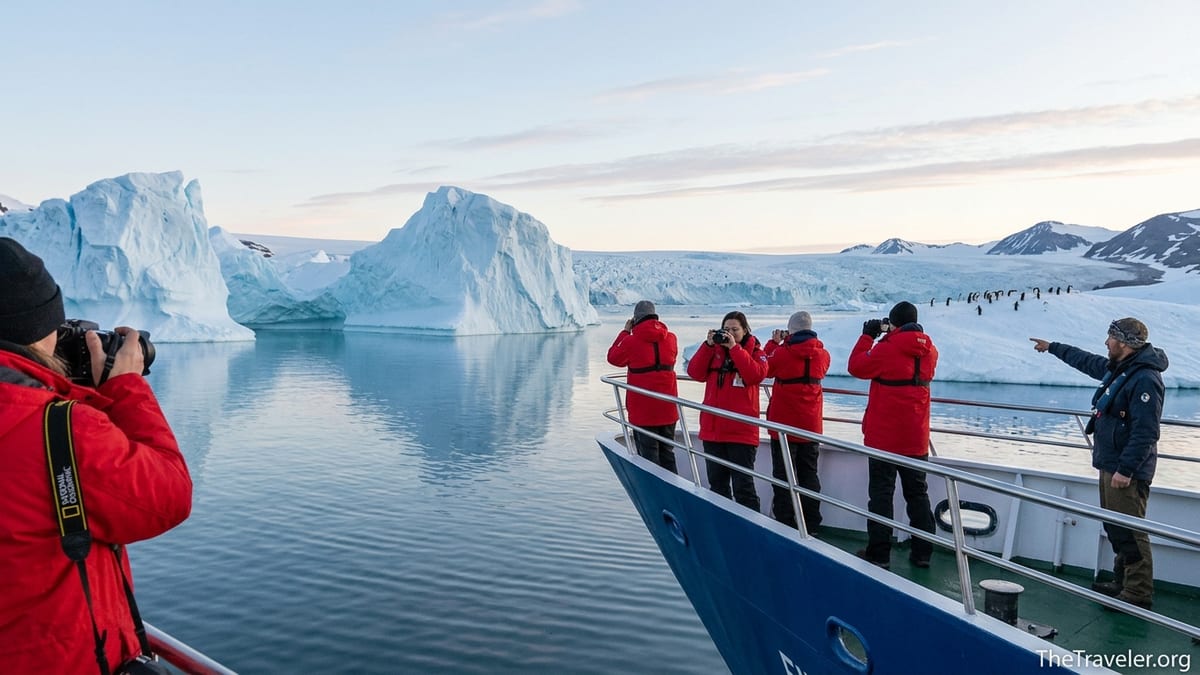
Lindblad and National Geographic: How the Partnership Actually Works
The first point of confusion for many travelers is that Lindblad Expeditions and National Geographic Expeditions are separate brands that also collaborate closely. Lindblad is an expedition cruise company founded in 1979 that operates a fleet of small ships, usually carrying between roughly 30 and 150 guests, to remote regions on all seven continents such as Antarctica, the Arctic, Baja California, Alaska and the Galápagos.
In 2004, National Geographic entered a long-term partnership with Lindblad for small-ship expedition cruises. On these co-branded voyages you will see both names: often the ship itself carries the National Geographic prefix, such as National Geographic Resolution in Antarctica or National Geographic Venture in Alaska, while the onboard expedition team is hired and managed by Lindblad. These trips are sold directly through Lindblad as well as marketed by National Geographic under the National Geographic Expeditions umbrella.
At the same time, National Geographic Expeditions sells travel that has nothing to do with ships. Its portfolio includes Signature Land trips, rail journeys like India by rail photography itineraries, river cruises operated by other partners, and high-end private jet expeditions. Those land and private jet trips are curated and branded by National Geographic itself, often in collaboration with specialist tour operators, and they follow a more classic small-group tour structure with fixed itineraries, comfortable hotels and a National Geographic expert or photographer along for the journey.
This means that choosing “Lindblad” usually means choosing an expedition cruise, while choosing “National Geographic Expeditions” may mean a ship operated by Lindblad, or a completely ship-free overland adventure. Understanding this structure is the key first step to deciding which experience fits you better.
Where They Take You: Destinations and Itinerary Style
If your dream adventure involves icebreaking through pack ice or anchoring next to an uninhabited island, Lindblad-operated small-ship expeditions are the primary option. The Lindblad fleet focuses on classic expedition regions: Antarctica and South Georgia, the Arctic including Svalbard and Greenland, Alaska’s Inside Passage, Baja California and the Sea of Cortez, the Galápagos Islands, Patagonia, and select warm-water destinations like the South Pacific and the Amazon. Ships like National Geographic Resolution are built with ice-strengthened hulls for polar voyages, while vessels such as National Geographic Delfina are purpose-designed for year-round operations in the Galápagos.
These itineraries are flexible by design. A ten-day Antarctica cruise might swap landing sites at short notice to follow better weather or a pod of humpback whales. A Baja California expedition could adjust its timing in Magdalena Bay to maximize chances of gray whale encounters. Travelers comfortable with this fluidity are often rewarded with longer zodiac cruises, spontaneous wildlife encounters and extra time in bays where conditions are ideal for kayaking or hiking.
National Geographic’s Signature Land trips cater to a different style of explorer. Examples include a Bryce, Zion and Grand Canyon tour in the United States or multi-country journeys across Europe or Asia. Instead of being tied to a ship, you travel by coach, plane and occasionally train, sleeping in a curated mix of well-located hotels or lodges. Daily plans are more predictable: breakfast at the hotel, a guided walk in Bryce Canyon, lunch at a local restaurant, sunset over the Grand Canyon from a classic lookout point, and a structured evening talk by a National Geographic expert.
If you want to unpack once and use a small ship as a mobile base camp with a strong focus on wilderness and wildlife, a Lindblad-style expedition is the natural fit. If you prefer a mix of cultural visits, iconic sights and comfortable hotels with clearer daily schedules, a National Geographic land itinerary may better match your expectations.
What It Really Costs: Price, Value and Inclusions
Both Lindblad and National Geographic Expeditions operate at the premium to high-luxury end of the market, and prices reflect that. For perspective, Lindblad’s own Galápagos cost guide notes that a weeklong Galápagos trip commonly runs in the region of about 8,000 to 10,000 US dollars per person when you include cruise fare, flights to the islands, park fees and other essentials. Sample departure listings for eight-day Galápagos sailings often show base cruise fares starting in the low 8,000s per person for an entry-level cabin, with higher-category suites costing significantly more.
In Antarctica, it is common to see per-person rates for a two-week expedition on a Lindblad-operated ship running well into the five figures, often in the mid-teens in US dollars once you factor in charter flights and pre- or post-cruise hotels. Those fares usually bundle most major costs: cabin accommodation, all meals on board, zodiac landings, guided hikes, onboard lectures, and in recent years complimentary bar service with many beverages included. Gratuities and some premium alcoholic drinks may still be extra, and guests regularly describe crew tips landing around ten percent of the cruise fare.
National Geographic’s land trips, while also premium, use a different cost profile. For example, a weeklong domestic Signature Land itinerary in the US Southwest that visits Bryce Canyon, Zion and the Grand Canyon typically runs to several thousand dollars per person, with 2026 date and price tables showing tiers depending on departure date and occupancy. Those fares generally cover accommodations, most meals, ground transportation, entrance fees, the services of a National Geographic expert and a trip manager. However, you will still pay for most alcoholic beverages, some optional activities and, crucially, international airfare to the starting point. Private jet expeditions operated under the National Geographic brand, which circle the globe in three to four weeks visiting multiple continents, often cost well into the high five or even six figures per person.
Understanding inclusions helps compare value. On a Lindblad-run small-ship voyage, nearly every day includes off-ship activities such as landings, snorkeling or zodiac cruises at no extra charge, and all those daily expeditions would be very costly to replicate independently. On a National Geographic land trip, the value comes from insider access, well-located properties and seamless logistics in culturally rich regions where you might otherwise struggle to organize transport, guides and timed-entrance tickets on your own.
Onboard and On-the-Ground Experience: Life in the Field
Life on a Lindblad-operated expedition ship feels closer to a field camp than a traditional cruise. Ships rarely carry more than around 150 guests, and many Galápagos and coastal vessels are under 100 passengers. The atmosphere is informal: expedition staff circulate at dinner, there is usually a daily recap in a lounge with slides from the day’s sightings, and announcements may call you to the deck at odd hours when orcas or the aurora appear.
Instead of floor shows and casinos, the entertainment is the fieldwork itself. Guests spend hours in zodiacs exploring glacial fjords in Alaska, kayaking below red cliffs in the Sea of Cortez, or stepping ashore on uninhabited islands where blue-footed boobies nest in the Galápagos. Many ships carry undersea specialists who drop cameras to film the seafloor, as well as National Geographic-certified photo instructors who help travelers improve everything from whale tail shots in Antarctica to macro images of tropical frogs. This style rewards guests willing to be active, flexible and outdoors in variable weather.
On National Geographic land expeditions, the rhythm is more structured and the physical demands can often be tailored. A typical day on a Bryce, Zion and Grand Canyon itinerary might offer an optional sunrise walk for early risers, followed by a mid-morning hike of moderate difficulty and a more relaxed afternoon for those who prefer scenic drives and short strolls. Evenings might feature private talks with a geologist or photographer, sometimes held in hotel meeting rooms rather than onboard lounges. Travelers who enjoy returning to a full-service hotel with a pool or spa after a day’s exploration tend to appreciate this format.
Real-world reviews from recent travelers highlight trade-offs. Guests who prioritize maximum time off the ship in places like the Galápagos often note that Lindblad’s expedition-style days keep them ashore or in the water for many hours, though they may find food and cabin decor more functional than flashy. Those who book National Geographic Signature Land trips often praise the access to knowledgeable experts and well-chosen lodgings, while occasionally noting that group dynamics and coach travel can feel more conventional than a remote expedition voyage.
Guides, Experts and Educational Focus
Both Lindblad and National Geographic Expeditions build their reputations on expertise. On Lindblad-operated ships, the expedition team typically includes naturalists, an expedition leader, a National Geographic photo instructor and, on many voyages, an undersea specialist or marine biologist. In the Galápagos, for example, licensed naturalist guides lead hikes on islands like Española and Genovesa, interpreting everything from boobies’ mating dances to the volcanic history of the lava fields.
In polar regions, the ratio of expedition staff to guests is generally higher than on mainstream cruise lines, and daily lectures dive into climate science, polar history and wildlife behavior. Ships like National Geographic Resolution or National Geographic Endurance often host guest scientists conducting real research, giving travelers a front-row view of everything from penguin tagging projects to plankton sampling. For photography-focused guests, daily critiques and on-deck shooting sessions help translate that expertise into better images.
National Geographic’s Signature Land trips lean heavily on subject-matter experts as well. Each departure is typically accompanied by a National Geographic expert, which might be an archaeologist on a classical civilizations tour, a wildlife biologist in East Africa, or a photographer on a dedicated photography itinerary. These experts work alongside local guides and trip leaders, giving context at ancient ruins, in national parks, or during city walks. While the land format lacks zodiacs and shipboard science labs, it can offer behind-the-scenes experiences such as after-hours museum visits or private talks with local conservation organizations.
If your motivation for booking is deep learning in a specific topic, either style can work. Travellers obsessed with marine ecosystems, seabirds and ice are likely to get more out of Lindblad’s expedition ships, whereas those fascinated by archaeology, culture or human history may find a National Geographic land itinerary more aligned with their interests.
Comfort, Ships, Hotels and Who Each Option Suits Best
Neither Lindblad nor National Geographic Expeditions aims to deliver the ultra-opulent environment of a large luxury cruise line or five-star city hotel, but both operate firmly in the premium space. On Lindblad’s expedition ships, cabins are compact but well equipped, public spaces emphasize big windows over chandeliers, and the dress code is resolutely casual. Many newer or refurbished ships in the joint fleet include amenities like small spas, fitness rooms and hot tubs, but there is usually only a single main restaurant and perhaps a bistro option rather than multiple dining venues.
Comfort levels vary slightly by vessel. Purpose-built polar ships like National Geographic Resolution offer stabilizers, advanced ice-class hulls and large observation lounges, enhancing comfort in rough seas and cold climates. Smaller coastal ships such as National Geographic Quest or National Geographic Venture focus on maneuverability, allowing access to tight inlets in Alaska or Baja California. In the Galápagos, catamarans like National Geographic Delfina balance stability with access to smaller anchorages, appealing to travelers worried about motion or crowding.
National Geographic land trips rely on a portfolio of hotels and lodges chosen more for location and character than for pure luxury. On a US national parks itinerary you might stay in historic park lodges steps from canyon rims, accepting smaller rooms in exchange for sunrise views. On a cultural trip in Asia, you might alternate between city hotels with easy access to markets and boutiques, and countryside retreats that put you close to temples or wildlife reserves. Many travelers who choose National Geographic land trips value the ability to spread out, sleep in standard-size hotel rooms, and enjoy amenities like hotel pools that expedition ships cannot always match.
In broad terms, Lindblad-operated small-ship expeditions tend to fit active travelers who are comfortable with a bit of motion at sea, do not need multiple restaurants or extravagant suites, and care more about wildlife access and time in the field than about formal luxury. National Geographic Signature Land and rail or river offerings tend to attract travelers who want strong educational content and insider access but prefer stable ground beneath their feet, more conventional accommodations and slightly more control over day-to-day exertion levels.
How to Decide: Matching Each Style to Your Travel Personality
Choosing between Lindblad and National Geographic Expeditions comes down to the type of adventure you imagine when you close your eyes. If you see yourself donning a parka at 5 a.m. to photograph emperor penguins against a backdrop of sea ice, or snorkeling above a Galápagos sea turtle in clear water far from any town, then a Lindblad-operated expedition cruise is likely the better fit. These trips deliver a sense of being on an active scientific field trip, with your ship serving as a mobile base camp that follows wildlife and weather rather than a fixed schedule.
Consider concrete scenarios. A couple in their 40s who exercise regularly and are willing to spend roughly 9,000 dollars per person on a bucket-list Galápagos voyage might lean toward an eight-day Lindblad itinerary that includes two excursions most days, with guided hikes and snorkeling. Meanwhile, a multi-generational family hoping to see the US national parks together, with grandparents who prefer shorter walks and parents who want guaranteed beds on solid ground, may find more value in a weeklong National Geographic Signature Land trip to Bryce, Zion and the Grand Canyon, where transport and lodging are taken care of and daily activities can be scaled up or down.
Budget and flexibility should also inform your decision. Expedition cruises often need to be booked a year or more ahead to secure specific cabins, and fares rise as ships fill. They also involve more variables: sea conditions can delay arrivals or alter routes, and landings sometimes need to be canceled for safety reasons. Land trips are not immune to disruption, but road or rail itineraries are generally easier to adjust at short notice, and a missed viewpoint because of fog can often be replaced with an alternative stop later in the day.
If you primarily want a National Geographic-branded learning experience and are relatively flexible about the exact format, it can be worth speaking with a specialist agent and comparing, for example, a Lindblad-operated Antarctic voyage with a National Geographic Signature Land safari in Africa at the same budget level. One may offer raw wilderness and long days in rigid inflatable boats, the other intimate wildlife encounters from open vehicles and stays in tented camps, but both deliver deep engagement with the natural world and expert interpretation.
FAQ
Q1. Are Lindblad Expeditions and National Geographic Expeditions the same company?
They are separate organizations that collaborate closely on small-ship expedition cruises. Lindblad owns and operates the ships, while National Geographic provides branding, experts and marketing for many voyages. National Geographic Expeditions also sells land, rail and private jet trips that are not operated by Lindblad.
Q2. If I book a National Geographic expedition cruise, will I always be sailing with Lindblad?
For small-ship expedition cruises that carry the National Geographic name in regions like Antarctica, Alaska, Baja California and the Galápagos, the operator is typically Lindblad Expeditions. However, National Geographic also partners with other companies for certain river cruises and land programs, so always confirm the operating partner in the trip details.
Q3. Which is better for wildlife viewing, a Lindblad expedition or a National Geographic land trip?
Lindblad-operated expedition cruises usually provide more hours in the field in remote marine environments, with multiple zodiac outings, landings and snorkeling opportunities in places like Antarctica or the Galápagos. National Geographic land trips can be excellent for wildlife in regions such as African national parks, but the style of viewing is different, often from vehicles or fixed lodges rather than from a ship.
Q4. How far in advance should I book a Lindblad or National Geographic trip?
For popular expedition cruises to Antarctica or the Galápagos, many travelers book 12 to 18 months in advance to secure preferred cabin categories and dates. National Geographic land trips can sometimes be booked closer to departure, but peak-season departures and special-interest itineraries also fill up early, so planning at least 9 to 12 months ahead is sensible.
Q5. Are these trips suitable for children or teenagers?
Yes, many Lindblad-operated voyages and National Geographic land trips welcome families. Some ships and itineraries offer dedicated family departures and youth programs, such as hands-on educational activities and photography guidance for kids and teens, particularly in destinations like the Galápagos and Alaska.
Q6. What fitness level do I need for a Lindblad expedition cruise?
You should be comfortable walking on uneven terrain, climbing in and out of zodiacs with assistance, and handling stairs on a moving ship. Many hikes and excursions offer easier and more strenuous options, but guests who prefer mainly bus-based sightseeing may be more comfortable on a National Geographic land itinerary.
Q7. How do the cabins on Lindblad ships compare with hotels on National Geographic land trips?
Cabins on expedition ships are generally smaller than hotel rooms and designed for practicality and views rather than luxury, though newer vessels offer very comfortable spaces. National Geographic land trips typically use well-located hotels or lodges with standard room sizes and amenities such as pools or spas, which can feel more spacious if you value room to spread out.
Q8. Are gratuities and drinks included in the trip price?
Inclusions vary by itinerary and operator. Many Lindblad-operated voyages now include a wide selection of alcoholic and non-alcoholic beverages, with gratuities sometimes extra. National Geographic land trips often include most meals and non-alcoholic drinks, with alcoholic beverages and tips handled separately. Always review the specific inclusions for your chosen departure.
Q9. What happens if weather disrupts my expedition or land trip?
On expedition cruises, rough seas or ice can prompt last-minute changes to routes or landing sites for safety reasons, and occasionally flights to or from embarkation ports are delayed. On land trips, storms, road closures or wildfires may force itinerary adjustments. In both cases, staff work to substitute alternative experiences, but some activities can be lost, so a flexible mindset is essential.
Q10. How do I decide whether to choose Lindblad or a National Geographic land trip for my first big adventure?
Start by asking whether you are more excited by life on a small ship exploring remote coasts, or by a journey that strings together iconic landscapes and cultural sites using hotels and overland transport. If you crave days dominated by zodiacs, kayaking and wildlife in areas only accessible by sea, a Lindblad-operated expedition is likely best. If you prefer stable ground, more conventional comforts and a balance of culture, scenery and history, a National Geographic Signature Land itinerary may be the smarter first step.