


More news on this day
Lisbon’s official Lisboa Card is drawing fresh attention from visitors planning trips for 2026, as updated prices and an expanded line-up of included attractions position the pass as one of Europe’s more comprehensive city cards.
Get the latest news straight to your inbox!
Expanded Access Across Museums and Monuments
Publicly available information shows that the Lisboa Card now covers more than 50 museums, monuments and visitor attractions across the Portuguese capital and surrounding areas. Recent benefit sheets for the 2026 to 2027 period indicate free or significantly discounted access to major cultural institutions, including several branches of the Lisbon Museum network and leading national collections.
The Jerónimos Monastery and the Belém Tower, two UNESCO-listed landmarks in the Belém district, continue to feature among the flagship sites included with the pass, offering visitors entry without paying standard door prices. Guides to the card note that a range of other historic buildings, such as churches, convents and aristocratic houses, are also part of the portfolio, giving cardholders a cross-section of Lisbon’s architectural heritage in a single product.
Beyond headline attractions, the card extends to specialist venues such as the National Museum of Ancient Art and other thematic museums that spotlight maritime history, decorative arts and the evolution of the city itself. For travellers planning a museum-focused stay, this breadth means that even a short itinerary can incorporate several high-ticket venues that would otherwise require individual admission fees.
According to recent brochures, the precise mix of included sites is updated periodically, and new additions for the 2026 season broaden the geographic spread of attractions. That evolution is helping maintain the pass’s appeal for repeat visitors who are looking beyond the city’s best-known monuments.
Unlimited Public Transport in and Around Lisbon
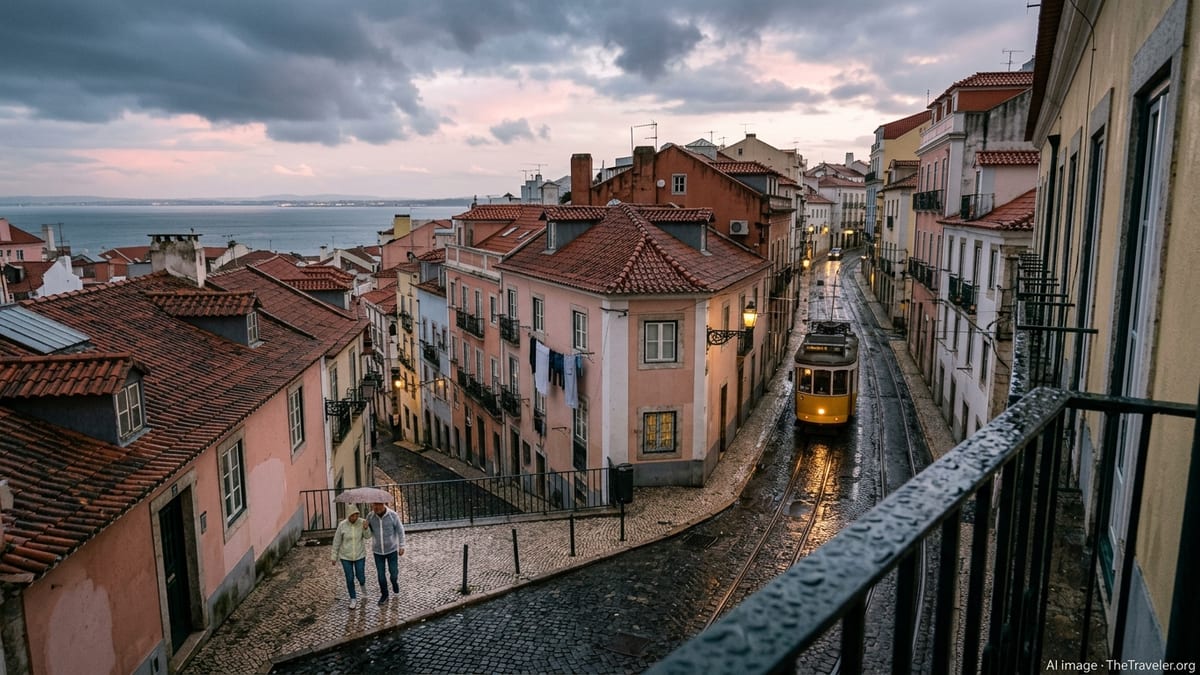
The Lisboa Card also functions as a transport ticket within the metropolitan area, a feature that has become increasingly significant as visitor numbers strain popular lines and neighbourhoods. Current information from independent card guides indicates that holders can use the pass on the city’s metro network, urban buses and iconic yellow trams operated by Carris, as well as selected elevators and funiculars linking Lisbon’s hills.
Coverage extends beyond the city centre to include suburban rail routes operated by Comboios de Portugal on the Sintra and Cascais lines, enabling day trips to palaces, coastal towns and beaches without additional ticket purchases. Some versions of the benefits documentation also list the Fertagus rail connection over the Tagus, creating a bridge between central Lisbon and communities on the south bank.
These transport inclusions effectively turn the card into a hop-on, hop-off mobility solution across multiple operators for the duration of its validity. Reports from recent visitors describe using the card to combine tram rides through historic quarters, metro transfers across town and regional trains out to nearby destinations, all under a single pre-paid product.
For travellers arriving at peak times, the integrated transport element also reduces the need to navigate separate ticketing systems or queues at vending machines, which have been recurring friction points in online traveller feedback.
Pricing, Validity and Where Value Adds Up
Pricing tables published for the 2025 to 2026 cycle show three main variants of the Lisboa Card, valid for 24, 48 or 72 consecutive hours. The most recent figures circulating on specialist Lisbon card sites indicate adult prices beginning a little above 30 euros for the 24-hour option, with progressively better per-day value on the longer durations. Separate child rates apply for visitors aged roughly 4 to 15, while younger children typically travel free on most public transport and enter many museums without charge.
Analysis from independent travel guides suggests that the card delivers the greatest savings when visitors combine at least two or three major paid attractions with extensive use of public transport in a single day. The inclusion of higher-priced monuments such as the Jerónimos Monastery, the Belém Tower and certain national museums can quickly offset the headline cost, particularly at current individual ticket prices in Lisbon.
Conversely, travellers planning to focus on free viewpoints, neighbourhood walks and a limited number of museum visits may find that individual tickets and standard transport passes provide a lower outlay. Several advisory sites now publish sample itineraries that compare the total cost of attractions and transit with and without the card, reflecting a growing interest in precise cost-benefit calculations among European city-break visitors.
Seasonal factors can also influence perceived value. During busy spring and summer months, when daily transport use rises and museum queues are longer, the ability to move freely around the network and enter pre-selected sites without additional purchases carries more weight than in quieter periods.
Digital Tools and Evolving Transport Infrastructure
The Lisboa Card is still widely issued as a physical smartcard, but its introduction coincides with a broader digital shift across Lisbon’s transport system. Regional operators have been rolling out contactless payment on buses, trams and metro gates, and a dedicated mobility app for local commuters now supports loading certain monthly passes to smartphones. While this digital offering targets residents rather than short-stay tourists, it is reshaping expectations around ticketing and access.
For visitors, various planning tools, including official transport maps and third-party journey planners, can be used alongside the physical Lisboa Card to map efficient routes between attractions. Recent flyers and network diagrams highlight interchanges between metro stations, railway hubs and ferry terminals, helping cardholders link museum visits in central neighbourhoods with excursions along the Tagus or out to satellite towns.
The city’s infrastructure itself is in transition, with metro expansion projects and new rolling stock set to increase capacity in coming years. Public documentation on the metro operator’s plans points to ongoing work due for completion in the second half of 2026, which is expected to ease pressure on key lines that serve tourist-heavy districts.
As these upgrades come online, the value proposition of a pass that already spans multiple modes of transport could strengthen further, particularly for travellers staying in outlying districts who rely on early-morning and late-evening services to reach the historic centre.
Planning Strategies for 2026 City Breaks
Travel analysts tracking European city passes note that products like the Lisboa Card increasingly compete not only on headline inclusions but also on how easy they are to integrate into tightly scheduled itineraries. For Lisbon, that means aligning attraction opening hours, peak transport times and neighbourhood clustering to maximise what the card covers within a 24, 48 or 72-hour window.
Publicly available guides recommend grouping major Belém sights into a single day, pairing waterfront monuments with museum visits and tram or train journeys that are all covered by the card. Another common strategy involves reserving the pass for days with multiple paid entries, while using pay-as-you-go tickets on lighter sightseeing days focused on free miradouros, markets and riverfront walks.
Recent benefit lists also highlight discounts at additional venues, including some smaller museums, cultural centres and partner services. While the percentage reductions vary, they can extend the card’s reach beyond the core group of free-entry sites, especially for visitors interested in contemporary art spaces or niche historical collections.
With updated pricing and an expanded catalogue of included attractions confirmed for the 2026 travel season, the Lisboa Card is set to remain a central tool for visitors looking to compress transport, heritage and cultural experiences into a short stay in Portugal’s capital.