


More news on this day
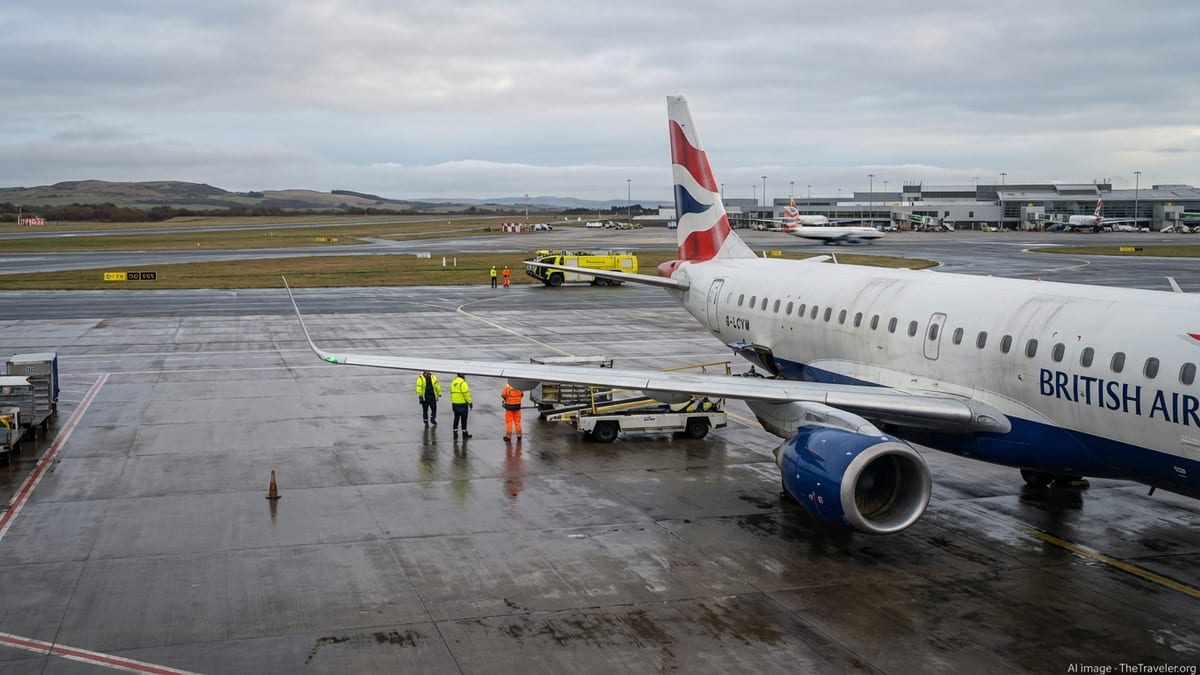
London’s key airports are facing renewed disruption as airlines including Virgin Atlantic, United Airlines, British Airways, Japan Airlines and BA CityFlyer work through a fresh spike in flight cancellations and extensive delays impacting transatlantic and European services.
Get the latest news straight to your inbox!
Heavy Delays Across London’s Busiest Hubs
Operational data and live tracking boards on 14 June indicate that London Heathrow is among the worst affected European hubs for congestion, with hundreds of flights experiencing departure or arrival delays. Heathrow appears in wider European disruption tallies as one of the airports with the highest volume of delayed services, reflecting pressure on runways, stands and air traffic flow at peak periods.
Reports tracking same day performance show that London’s other major airports, including Gatwick, Luton, Stansted and London City, are also seeing knock-on disruption. While many flights are still operating, rolling delays of 30 minutes to more than an hour have become common on some short-haul and long-haul departures, leaving passengers facing extended waits at departure gates.
Publicly available information from airport departure boards and aviation data platforms suggests that the pattern is not limited to one carrier. Instead, multiple airlines are facing challenges as congested airspace, tight schedules and earlier operational issues compress turnaround times and reduce resilience when individual flights run late.
Analysis of current delay patterns aligns with a broader picture of European congestion, where major hubs such as London, Amsterdam and Frankfurt are collectively recording more than a thousand delayed flights in a single day. This environment increases the likelihood that local problems rapidly cascade into wider schedule disruption.
Airlines Most Affected: Virgin Atlantic, United, British Airways and Partners
Among the carriers feeling the impact at London’s airports are transatlantic and European operators with dense schedules. Virgin Atlantic and British Airways, both heavily concentrated at Heathrow, feature prominently in delay statistics as they work through busy weekend and early-summer traffic.
United Airlines and other North American carriers are also affected, with real-time tracking showing a mix of on-time departures and late-running services on key London–United States routes. Some flights are operating close to schedule, while others are pushed back as aircraft arrive late, ground operations take longer than planned or previous disruptions in the network ripple into London.
Japan Airlines services linking London with Tokyo have been caught in the broader pattern of congestion as well, particularly where long-haul connections depend on punctual feeder flights from other European or UK cities. Any hold-ups at earlier stages of a multi-leg journey can threaten onward connections and increase the risk of missed flights at Heathrow.
Regional operations branded under British Airways subsidiaries, including BA CityFlyer from London City and BA-branded short-haul services from Gatwick, are also exposed. With tightly timed rotations and limited spare aircraft, a delay or technical issue on one service can quickly trigger changes to subsequent flights, including cancellations when schedules can no longer be recovered.
Recent Technical Events Add Pressure to Squeezed Schedules
The latest wave of disruption in London comes in the wake of recent technical incidents affecting specific aircraft and routes. Earlier in the week, an American Airlines Boeing 777 operating a transatlantic service from Heathrow returned to London following reports of multiple lightning strikes, according to aviation incident reports and follow-up coverage. The aircraft remained grounded for mandatory inspections, temporarily removing one widebody jet from the transatlantic rotation.
Although that incident involved a US carrier, the loss of a single long-haul aircraft within the Heathrow ecosystem illustrates how sensitive schedules can be during the summer build-up. When one aircraft is unavailable, airlines must reshuffle fleets, consolidate flights or secure alternative capacity, which can result in cancellations or significant timetable changes across partner networks.
Historic operational data and passenger reports on British Airways services show that London routes have periodically experienced clusters of cancellations or diversions due to weather, technical issues or air traffic control constraints. Similar patterns are now being observed across several carriers, suggesting that today’s disruptions are part of a wider structural strain on airport and airspace capacity rather than the result of isolated airline decisions.
These pressures are compounded when bad weather, crew scheduling restrictions or congestion at overseas hubs interact with already busy London operations. Carriers that operate joint ventures or codeshare arrangements, such as British Airways with American Airlines and Japan Airlines, are often forced into complex rebooking exercises when one part of the shared network falters.
Passenger Impact: Missed Connections, Rebooking and Overnight Stays
For passengers, the most immediate effect of today’s cancellations and delays is uncertainty. Travellers connecting through Heathrow or Gatwick on Virgin Atlantic, United, British Airways, Japan Airlines, BA CityFlyer and other airlines are reporting extended waits, tight transfers and, in some cases, missed onward flights to North America and Asia.
Where multiple rotations have been affected, passengers may be rebooked on alternative same-day services or moved to flights on partner airlines where such options exist. On busy transatlantic routes this can quickly strain available seat capacity, particularly in premium cabins, leading to longer rebooking windows or overnight stays for some travellers.
Publicly available guidance from the UK Civil Aviation Authority highlights that passengers departing from UK airports benefit from some of the strongest air passenger rights frameworks globally. Travellers on delayed or cancelled flights may be entitled to care such as meals, refreshments and accommodation, depending on the length of the delay and the cause of the disruption. Monetary compensation can apply in certain circumstances, although it is excluded when delays or cancellations are linked to extraordinary events such as severe weather or air traffic control strikes.
Passenger experiences shared through travel forums and social media discussions underline the importance of monitoring airline apps, checking departure boards regularly and keeping documentation of expenses when disruptions occur. In today’s environment, where scheduling margins are thin, even a relatively short delay can be enough to upset carefully planned itineraries and connecting flights.
What Travellers Using London Airports Should Do Now
With London’s main airports currently under pressure, travellers are being urged by airlines and travel advisers to adopt a cautious approach to timing. Arriving well in advance of departure, particularly for long-haul flights and during peak hours, can help mitigate the risk posed by slower-than-usual check-in and security queues.
Monitoring live flight status through airline channels and airport information pages is critical, especially for those flying with Virgin Atlantic, United, British Airways, Japan Airlines or BA CityFlyer on busy transatlantic or European routes. Same-day schedule changes, including aircraft swaps or gate changes, are more likely when operations are strained, and real-time updates typically appear first in official digital channels.
Travel industry commentary also suggests building extra connection time into itineraries that pass through Heathrow, Gatwick, Luton, Stansted or London City over the coming days. Even where minimum legal connection times are met, current disruption levels mean that tight transfers carry a higher risk than usual, particularly when inbound flights are already flagged as delayed.
As the summer travel season escalates, analysts note that the combination of near-capacity airports, complex global networks and lingering operational vulnerabilities leaves little room for error. Today’s cancellations and rolling delays across London’s airports may therefore serve as an early warning of a challenging season ahead for airlines and passengers alike.