


More news on this day
A Philippine Airlines service from Manila to Hong Kong experienced a prolonged delay on July 2, 2026, after a loud sound inside the cabin during taxiing triggered an emergency evacuation, passenger offloading, and a comprehensive security and safety inspection at Ninoy Aquino International Airport.
Get the latest news straight to your inbox!
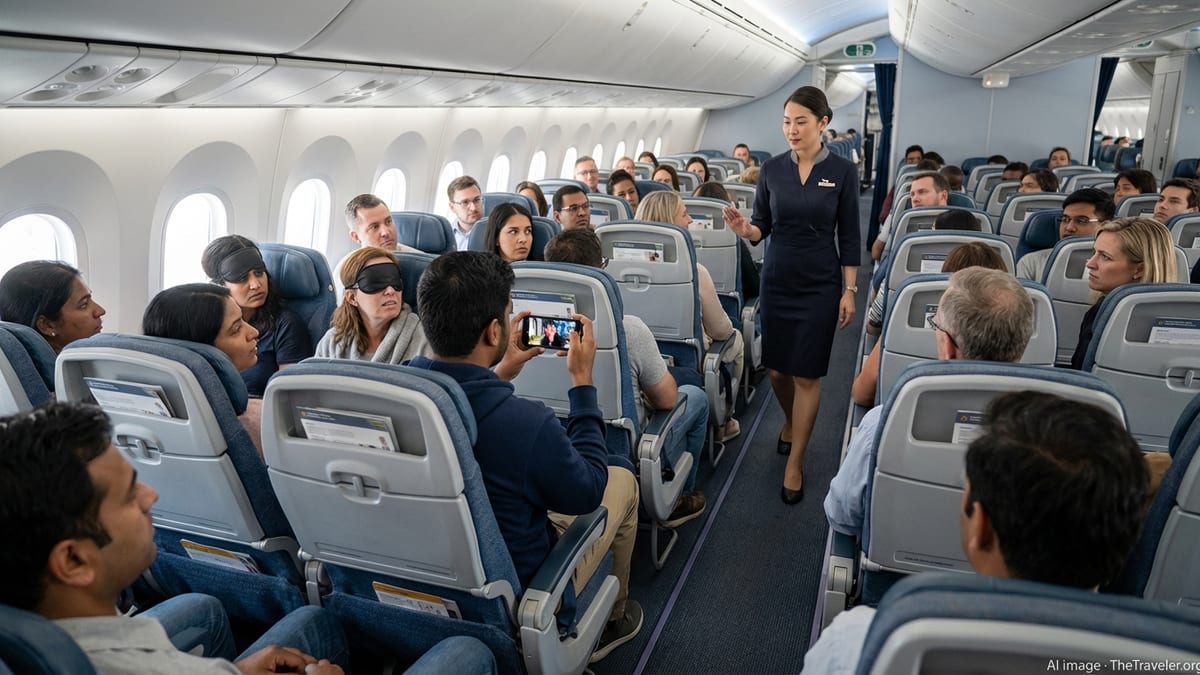
Incident During Taxiing Sparks Alarm
According to published coverage from multiple Philippine and international outlets, Philippine Airlines flight PR300 was preparing for departure to Hong Kong on Thursday morning when passengers and crew reported hearing a loud popping or banging sound inside the cabin while the aircraft was taxiing at Ninoy Aquino International Airport (NAIA) Terminal 1 in Manila.
Initial reports describe the sound as sudden and startling, occurring just as the Airbus aircraft was positioning for takeoff shortly before its scheduled departure time around 7:45 a.m. The noise immediately raised concerns among those on board, prompting flight crew to halt the aircraft’s movement on the taxiway and initiate precautionary procedures.
Publicly available information indicates that the event was treated as a potential security issue, with aviation and airport teams moving quickly to secure the aircraft and surrounding area. Operations around the affected taxiway were temporarily constrained while the situation was assessed.
The combination of a loud unexplained sound and a fully boarded aircraft close to departure led to heightened caution, reflecting global industry practice in responding conservatively to any signal that could suggest a mechanical anomaly or deliberate threat.
Emergency Evacuation and Full Passenger Offloading
Reports indicate that all passengers were required to disembark the aircraft after it was brought to a stop. Instead of continuing taxiing back to the gate as initially expected, the flight was held in position as standard emergency and security protocols were activated.
Coverage from Manila based news organizations notes that passengers were directed off the aircraft and escorted back into the terminal, where they underwent additional screening measures while baggage was removed from the hold for closer inspection. Some accounts describe luggage being lined up near the aircraft and on the apron for verification and checking.
The full offload of passengers and baggage significantly extended the disruption, as security teams prioritized ensuring that no hazardous materials or devices were present on board. For travelers, the process translated into long waits inside the terminal, with some reports indicating that the total delay would eventually stretch to nearly six hours.
Check in and boarding areas for Hong Kong bound flights at NAIA saw a buildup of passengers as the incident unfolded, highlighting how even a single aircraft evacuation can ripple through a busy morning departure bank at a major hub.
Security Lockdown and Aircraft Inspection Procedures
Publicly available information from local news agencies describes the episode as a “security concern” that required extensive inspection of both the aircraft and its contents. While some media reports referenced an apparent bomb threat in relation to the incident, Philippine Airlines statements cited in coverage emphasized only a security related precaution, without specifying the exact trigger.
The aircraft reportedly underwent a full safety inspection on the ground, including checks of the cabin, cargo compartments, and critical systems. All baggage was rescreened, and areas of the airport apron around the aircraft were temporarily treated as restricted while procedures were carried out.
These steps mirror common international aviation protocols in cases where an unusual sound, suspected device, or unverified threat is reported. The routine involves halting the aircraft, removing passengers to a safe distance, isolating baggage, and using specialized teams and equipment to search for any anomaly before the aircraft is cleared.
Reports indicate that after several hours of inspection and coordination with airport and security personnel, the aircraft was eventually declared safe. The flight was repositioned to a terminal gate to prepare for reboarding once clearances were completed.
Lengthy Delay but No Threat Found
Based on timelines reported by the Philippine News Agency and other outlets, flight PR300’s departure was postponed for close to six hours as the inspections progressed. What was scheduled as a morning departure did not leave Manila until early afternoon, with departure time reported at around 1:50 p.m.
By that point, screening and search operations had found no evidence of an explosive device or other active threat on board, and the incident was ultimately categorized as a precautionary response. The aircraft was cleared to resume normal operations, and passengers were allowed to reboard for the flight to Hong Kong.
Philippine Airlines, in statements cited by local media, emphasized that safety and security remained the top priority during the disruption and that staff were assisting affected travelers with rebooking options and onward travel adjustments where needed. The carrier’s handling of the situation aligned with broader industry trends that favor conservative decision making in the face of any ambiguous safety signal.
For passengers, the operational outcome was a lengthy delay rather than cancellation, but the experience underscored how even a single unusual sound in the cabin can cascade into hours of additional procedures once security protocols are activated.
Context for Travelers on Manila–Hong Kong Routes
The Manila to Hong Kong corridor is a heavily traveled regional route, serving business commuters, overseas workers, and leisure tourists connecting through one of Asia’s major hubs. Any disruption on a morning departure can have knock on effects for same day connections onward from Hong Kong to destinations in mainland China, North Asia, and beyond.
Travel industry observers note that the July 2 incident reinforces the importance of building buffer time into itineraries involving tight same day connections, especially on routes that rely on congested airports such as NAIA. While severe security related disruptions remain relatively rare, they can be unpredictable and are handled with strict safety margins when they do occur.
Aviation analysts also point out that modern aircraft and airport protocols are designed to prioritize passenger safety over punctuality. Loud or unexplained noises during taxiing and takeoff are among the triggers most likely to lead to rejected departures, evacuations, or full security sweeps, even when later checks find no technical fault or malicious act.
For travelers planning flights between Manila and Hong Kong in the coming weeks, available information suggests that operations remain normal, with this incident treated as an isolated security event rather than a systemic technical problem. However, the episode stands as a reminder that adherence to safety procedures, even at the cost of extended delays, is a core feature of contemporary commercial aviation.