

More news on this day
Syrian Airlines has restarted direct passenger services between Damascus and Moscow following a suspension of about one and a half years, reinstating a strategic air corridor between Syria and Russia at a time of shifting regional aviation patterns.
Get the latest news straight to your inbox!
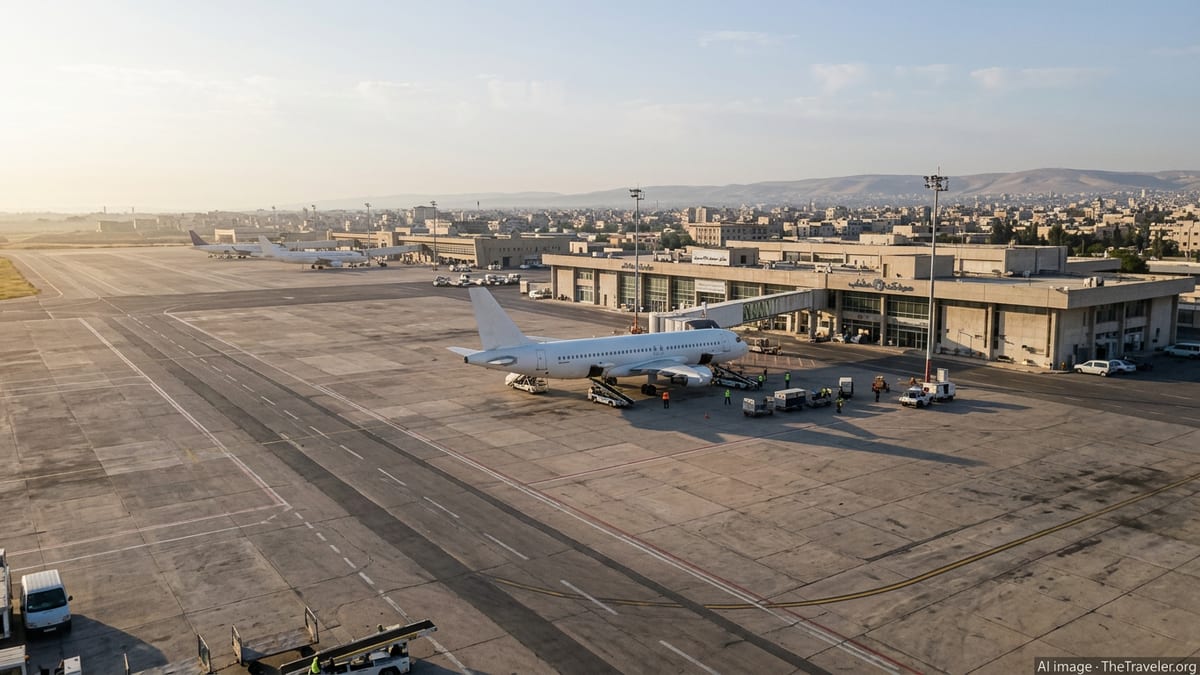
Renewed Connection After Lengthy Suspension
Publicly available flight information shows that Syrian Airlines has returned to the Damascus–Moscow route after an interruption of roughly 18 months. The pause in service was linked to a combination of operational constraints, shifting demand and recurring disruptions at Damascus International Airport, which has faced temporary closures and reduced schedules in recent years.
The resumption restores a direct state-carrier link between the Syrian capital and the Russian capital, complementing services that had previously been operated at different times by other Syrian and regional airlines. Aviation tracking platforms and timetables indicate that the route is restarting with limited weekly frequencies, a common pattern for carriers rebuilding long-haul or politically sensitive connections.
The move also comes against a backdrop of gradual rebuilding of Syria’s international air network. Over the past few years, routes to destinations in the Gulf, North Africa and parts of Europe have either restarted or been announced after long suspensions, often beginning with a small number of weekly flights and expanding only once demand has been tested.
Timings, Frequency and Aircraft on the Route
Schedules available through booking systems show that the renewed Damascus–Moscow flights are planned as direct, same–day services operated by Syrian Airlines equipment. The route is typically configured as an overnight or daytime medium–haul sector of around four to five hours, depending on routing and airspace constraints.
Initial operations are understood to involve one or two round trips per week, a level that allows the carrier to gauge passenger demand while managing fleet utilization. Industry observers note that a cautious ramp up is standard practice for airlines in markets where travel patterns have been disrupted by conflict, sanctions or infrastructure damage.
The flights are expected to use narrowbody aircraft commonly deployed on Syrian Airlines’ regional and medium–range network. Cabin layouts generally prioritize economy seating with a smaller business cabin, aimed at price‑sensitive travelers, expatriate workers and passengers connecting onward on separate tickets through Moscow’s airports.
Strategic Importance for Bilateral Travel
The revival of the Damascus–Moscow link carries significance beyond basic connectivity. Russia has been one of Syria’s closest political and economic partners for more than a decade, and air services are a practical component of that relationship. The reintroduced flights are likely to serve a mix of government‑related travel, business activity and limited tourism, as well as Syrians living, working or studying in Russian cities.
Published coverage and analytical reports describe how air routes between Syria and Russia have periodically shifted among carriers, with state and private airlines stepping in or out depending on sanctions exposure and commercial considerations. In that context, the decision by Syrian Airlines to resume its own direct services highlights an effort to maintain a national presence on one of the country’s most politically important international corridors.
The route also offers Syrian passengers an additional option for reaching destinations beyond Russia. Moscow’s airports function as major connecting hubs for services into Central Asia, parts of Europe and other regions, and some travelers from Syria have historically used Russian gateways as an alternative to hubs in the Gulf or Turkey.
Operational Challenges at Damascus International Airport
Damascus International Airport has experienced repeated disruptions over the past several years, including temporary suspensions of civilian operations due to security incidents and damage to infrastructure. According to open‑source aviation and humanitarian reports, commercial services have at times been halted or scaled back, with gradual resumptions once repairs and safety assessments were completed.
The restart of flights to Moscow indicates that, at least for now, the airport is able to support a more stable schedule on select international routes. However, operators still face a complex environment that includes fluctuating demand, regulatory constraints and ongoing security considerations in Syrian airspace and neighboring regions.
Airlines serving Damascus have adapted through flexible schedules, occasional rerouting and a careful choice of destinations. The decision to bring back Moscow on Syrian Airlines’ network suggests a degree of confidence that the route can be maintained, even if broader airport operations remain vulnerable to sudden changes.
Implications for Travelers and Regional Connectivity
For passengers, the renewed service reduces travel times between Syria and Russia compared with itineraries that require multiple transfers. Before the resumption, many travelers reportedly relied on indirect routes through hubs such as Beirut, Dubai or other regional gateways, often adding significant cost and complexity to their journeys.
With the direct flights back in operation, Syrian nationals with ties to Russia, including students and workers, gain a more predictable option for planning trips. Travel agents and online booking platforms are expected to highlight the route as a competitive alternative to multi‑stop itineraries, particularly during peak seasons when connecting flights through third countries can be heavily booked.
From a broader perspective, the Damascus–Moscow restart fits into a slow but noticeable trend of Syria re‑establishing air links that were cut during the most intense years of the conflict and subsequent regional tensions. While overall capacity remains far below pre‑war levels and many destinations are still suspended, each additional restored route contributes incrementally to reintegrating Syria into the wider aviation map.