


More news on this day
Police in Louisiana are investigating a fatal collision between a sport utility vehicle and a cargo train that left at least one person dead and disrupted rail and road traffic in a nearby community.
Get the latest news straight to your inbox!
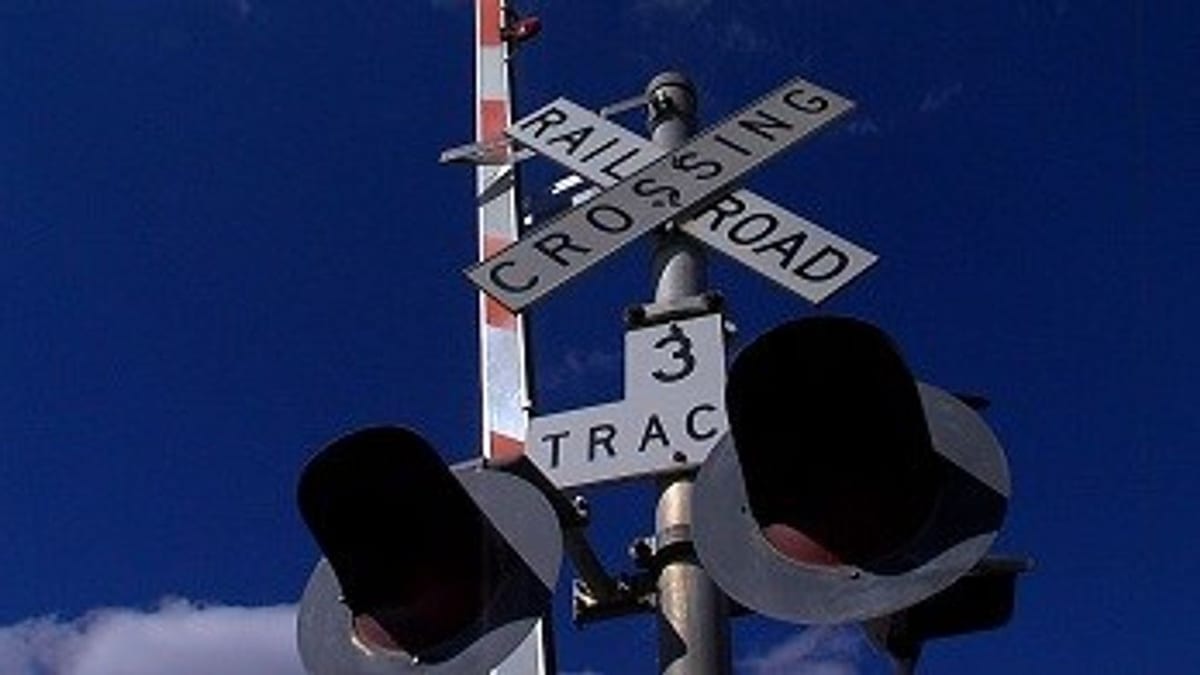
Initial reports from the crash scene
According to early regional news coverage, the collision occurred at a highway rail crossing where an SUV entered the tracks as a freight consist was moving through the area. The impact resulted in catastrophic damage to the smaller vehicle and brought train traffic to a temporary halt while first responders secured the scene.
Published accounts indicate that the crash happened at a marked crossing used regularly by local drivers, with both road and rail traffic active at the time. The SUV came to rest near the track after the impact, while the cargo train remained on the rails but was held in place for several hours while crews worked in the area.
Local media reports describe an extensive emergency response, with police, fire crews and medical personnel converging on the crossing. Rail traffic on the affected line was suspended while investigators documented the crash scene, and motorists were diverted to alternate routes as the crossing remained blocked.
Publicly available information indicates that at least one occupant of the SUV died as a result of the collision. Details on additional injuries, the number of people in the vehicle and the condition of the train crew have not yet been fully disclosed as the investigation continues.
Focus on warning systems and visibility
Investigators are expected to examine whether the crossing’s warning systems were functioning as designed when the SUV entered the tracks. Highway rail crossings in Louisiana typically use some combination of crossbuck signs, flashing lights, bells and protective gates, depending on train speeds, traffic volumes and historical risk at a given location.
Past reports from the Federal Railroad Administration show that investigators often review signal logs, inspect circuitry and examine any available event recorder data from the train when serious grade crossing collisions occur. These records can indicate whether warning devices activated in time, how fast the train was traveling and when braking was applied before impact.
Visibility conditions are also likely to be a central question. Factors such as the angle of the crossing, track curvature, roadside vegetation, weather and time of day can all affect how early a driver can see an approaching train and how well warning lights or gates stand out. Investigators commonly photograph sight lines and measure distances to determine what a motorist could reasonably perceive in the moments before a crash.
Public reports from previous Louisiana train vehicle crashes suggest that investigators also look at roadway markings, pavement condition and signage placement. These details help determine whether the roadway design contributed to driver confusion or whether the primary issue appears to be driver decision making at the crossing.
Driver actions and possible contributing factors
In addition to infrastructure and train operations, the behavior of the SUV driver shortly before impact will be a key focus of the inquiry. Crash reconstruction specialists frequently use skid marks, vehicle damage patterns and the final positions of both the SUV and the train to estimate the SUV’s speed and path onto the tracks.
Investigators may also seek information on whether the SUV attempted to drive around lowered crossing gates or entered the crossing after warning lights had activated, scenarios that have been documented in previous rail incidents across the United States. Surveillance cameras from nearby businesses, onboard locomotive cameras and dash cameras from other vehicles can provide crucial visual evidence in this regard.
Publicly available information from prior Louisiana collisions shows that toxicology testing is often requested in fatal crashes to determine whether alcohol, drugs or certain medications might have impaired a driver. Investigators may also consider driver distraction, including mobile phone use, fatigue or inexperience with the crossing, as potential contributing elements.
Depending on the findings, the case could remain a traffic investigation or, if evidence supports it, lead to consideration of criminal charges related to careless operation of a vehicle. For now, regional reports indicate that the emphasis remains on gathering facts, reconstructing the timeline and confirming exactly how the SUV and the cargo train came to be on the crossing at the same time.
Rail safety concerns in Louisiana communities
The fatal collision has renewed public attention on rail safety in Louisiana, where numerous towns and cities are bisected by heavily used freight corridors. State and federal data show that highway rail crossings continue to be a focus of safety campaigns, infrastructure upgrades and enforcement initiatives intended to reduce the risk of similar tragedies.
National safety databases maintained by federal transportation agencies track incidents involving trains and vehicles at crossings, and Louisiana regularly appears among the states with a significant number of such events due to its extensive rail network. These reports note that collisions at crossings can result in disproportionately severe outcomes because of the size and momentum of freight trains compared with passenger vehicles.
Local advocacy groups and transportation planners have long encouraged drivers to treat rail crossings with added caution, particularly in rural or industrial areas where long, slow moving freight trains are common. Public education materials repeatedly stress that trains cannot stop quickly, that their speed is often difficult to judge at a distance, and that entering a crossing after warning signals begin is among the most dangerous decisions a driver can make.
The latest crash is likely to feed into ongoing discussions about where grade separation, improved warning systems or roadway redesign might be warranted. It may also influence future funding priorities for crossing upgrades in smaller communities where budgets are tight but freight traffic remains heavy.
Next steps in the investigation and community response
Police investigators are expected to continue documenting the crash site, coordinating with railroad representatives and reviewing any mechanical inspections conducted on the train. The SUV involved in the collision will likely undergo a detailed examination to determine whether any mechanical failures, such as braking or steering issues, might have limited the driver’s ability to stop before reaching the tracks.
In many serious crossing collisions, investigators compile a comprehensive report that can take weeks or months to finalize, particularly if they await laboratory results, vehicle data downloads or engineering assessments of the crossing. Once complete, such reports typically outline the probable cause, list contributing factors and may recommend changes to signage, signal timing or enforcement practices.
The collision has also drawn attention from residents who rely on the affected road for daily travel. While traffic detours are expected to be temporary, some community members are likely to press for long term safety measures, including clearer sight lines, additional lighting or upgraded active warning systems at crossings where motorists and trains interact frequently.
For now, publicly available information indicates that rail operations along the line have resumed on a limited basis, with trains moving through the area under heightened caution while the investigation remains active. The fatal crash stands as a stark reminder of the consequences when road vehicles and heavy freight trains intersect at the wrong moment, prompting renewed calls for vigilance from both motorists and rail operators across Louisiana.