


More news on this day
Lufthansa Group has extended the suspension of passenger flights to and from Dubai until late October 2026, adding fresh disruption for travelers on one of Europe’s busiest long-haul corridors as airlines continue to navigate security warnings and operational constraints across Gulf airspace.
Get the latest news straight to your inbox!
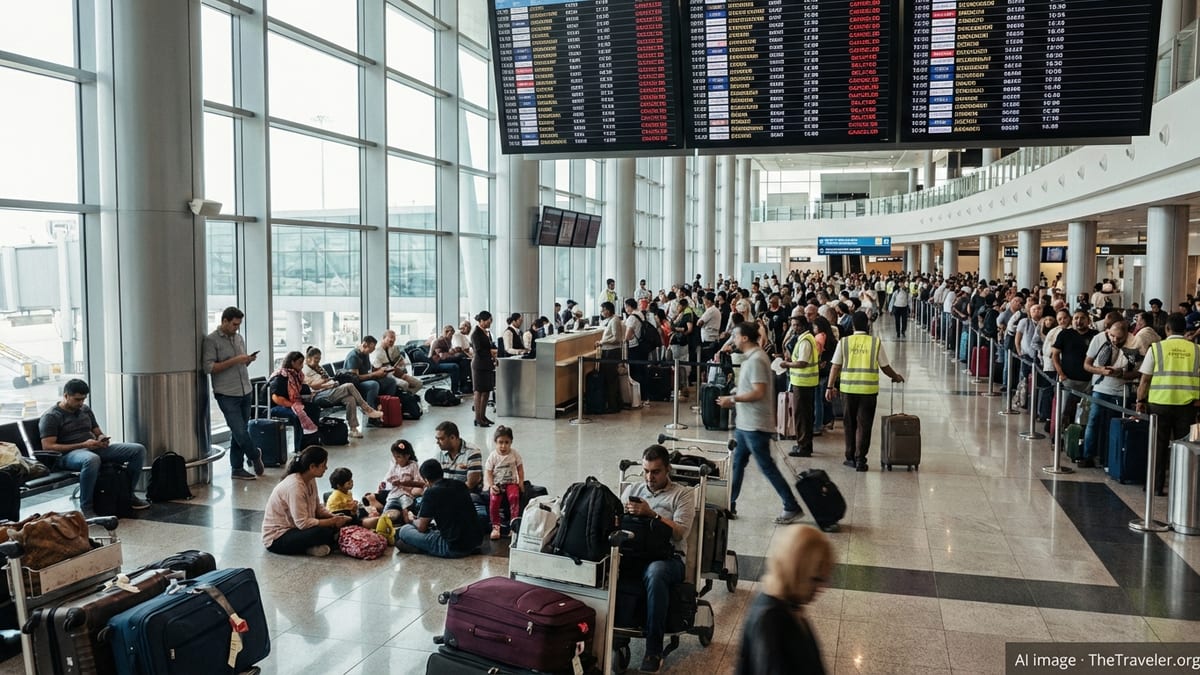
Suspension to Dubai Now Stretches Into Late October
Publicly available updates from Lufthansa Group indicate that services operated by Lufthansa, SWISS and Eurowings between Europe and Dubai will remain suspended through October 24, 2026, prolonging a pause that began in the spring as regional tensions intensified. The latest change was reflected in a September 1 schedule and travel advisory update, which confirmed that bookings on direct Dubai routes are currently unavailable until after that date.
Coverage in Gulf-based media notes that the extended suspension affects both inbound and outbound flights at Dubai International, one of the world’s busiest international hubs, and that it sits alongside earlier cuts to Abu Dhabi frequencies as the group reshapes its Middle East footprint. While some routes in the wider region are resuming on a limited basis, Dubai remains off the network for the coming weeks, leaving passengers reliant on partner or connecting services via other hubs.
The move underscores the shifting timelines for airlines operating in the Gulf. Earlier internal trade bulletins for agents had signaled a shorter suspension period for Dubai, but those provisional dates have now been overtaken by the latest operational update, reflecting the continued uncertainty around overflight planning and commercial demand.
Security Bulletins and Airspace Constraints Shape Airline Decisions
The decision to keep Dubai flights off the schedule sits against a backdrop of evolving safety guidance from European regulators. The European Union Aviation Safety Agency has recently prolonged its conflict-zone information bulletin covering parts of Gulf airspace until at least September 30, citing ongoing risks related to tensions between the United States and Iran. While the notice does not prohibit operations to airports in the region, it highlights elevated risk levels for certain routes and flight levels, prompting carriers to reassess routings and schedules.
Industry digests tracking the impact of the Middle East crisis on aviation report a steep fall in traffic between Europe and the broader region since hostilities escalated. One executive summary of air traffic data notes that daily flights on Europe–Middle East sectors have fallen by more than half compared with pre-crisis patterns, with tens of thousands of services cancelled or rerouted in the early weeks of the conflict. Longer routings around sensitive airspace have increased fuel burn and scheduling complexity, adding pressure on airlines already working within tight fleet and crew constraints.
For Lufthansa Group, Dubai’s continued absence from the timetable appears to be part of a wider recalibration across the Middle East network. Trade-facing communications set out a structured policy for handling schedule changes and irregularities on affected routes, including options for rerouting or refunds on cancelled sectors, but emphasize that the policy applies only to flights that have already been removed from the schedule or rebooked automatically.
Knock-on Effects Across Europe–Gulf and Connecting Markets
Lufthansa’s Dubai cancellations feed into a broader pattern of reduced capacity between European hubs and Gulf destinations, with knock-on consequences for travelers bound for South Asia, East Africa and Australasia who rely heavily on one-stop itineraries via Dubai. Analytical coverage suggests that connectivity between Europe and these onward markets has been markedly constrained, as carriers weigh the cost of diversions and redeploy aircraft to routes less exposed to the conflict zone.
Separate reporting shows that other European airlines have also cut or suspended services to key Gulf cities at various points this year. KLM has temporarily halted flights to Dubai, Riyadh and Dammam in recent weeks, while British Airways has significantly reduced its schedule to Dubai and neighboring hubs and shifted aircraft onto higher-demand routes to India. These parallel reductions mean that alternative nonstop options from Europe to the United Arab Emirates are more limited than usual, particularly for passengers whose trips originate away from the major Western European gateways.
Travel platforms tracking live schedules indicate that some international carriers plan a staged return to Dubai and other Gulf points in late October, pending security assessments and commercial reviews. For affected customers, however, the patchwork nature of these resumptions means that itineraries booked months in advance can still be subject to late changes as airlines fine-tune their winter timetables.
What Travellers Can Expect in the Coming Weeks
For passengers booked on Lufthansa Group services involving Dubai before October 24, current information suggests that direct options will not be available and that rebooking will typically require at least one additional connection, either via a different Middle Eastern hub or a European or Asian gateway. Advisory pages maintained by the airline group outline eligibility for refunds and alternative routings in cases where flights have been cancelled, but travelers are encouraged by industry commentators to check their booking status frequently as schedules continue to adjust.
Airport and airline guidance from the United Arab Emirates stresses the importance of arriving early for departures, using online check-in where possible and monitoring flight-status tools on the day of travel. With capacity constrained and some European carriers still operating only reduced schedules into the country, there is potential for congestion at transfer points and for remaining flights to operate at or near full load, particularly around major holiday and business travel peaks.
Analysts following the sector note that while regional carriers based in the Gulf have maintained a more robust schedule through Dubai, sustained cancellations by major European airlines illustrate how sensitive long-haul networks remain to geopolitical shocks. The expectation in much of the published coverage is that a fuller restoration of Europe–Dubai frequencies will depend not only on the easing of security advisories, but also on the availability of aircraft and crew as airlines head into the northern winter season.
Monitoring Timetables and Policy Changes
Given the fast-moving nature of the situation, travelers and corporate travel managers are being advised by industry sources to treat forward schedules as provisional rather than fixed. Specialist route-tracking outlets show frequent filing changes as carriers update their plans for the coming months, with Dubai often highlighted as a key barometer of confidence in the wider Gulf market.
For now, publicly available timetables indicate that Lufthansa Group will keep Dubai off its network until at least October 25, at which point a gradual restart may be possible if conditions permit. Even then, analysts expect initial frequencies to be lower than pre-crisis levels, echoing patterns seen at other European airlines that have opted for a cautious, phased return to the region.
Travelers planning autumn and winter trips through Dubai are therefore likely to face continued uncertainty and should review fare rules, minimum connection times and ticket flexibility before committing to new bookings. Industry observers suggest that the combination of regulatory guidance, airline risk assessments and commercial considerations will continue to shape how and when European carriers rebuild their Dubai schedules.
Gulf News: Lufthansa extends Dubai and Abu Dhabi suspension
Wego: When will international airlines return to Dubai?