


More news on this day
Air travel across Germany has been severely disrupted as a large scale pilots’ strike at Lufthansa forces the cancellation of hundreds of flights, grounding a significant share of the carrier’s schedule and throwing tourism and business travel plans into turmoil.
Get the latest news straight to your inbox!
Major Hubs Hit as Strike Enters Second Day
The 48 hour walkout by members of the Vereinigung Cockpit pilots’ union, which began on April 13, has hit Lufthansa’s main bases in Frankfurt and Munich particularly hard. Published coverage indicates that on the first day of action, roughly half of all long haul flights and around two thirds of short haul services operated by the core Lufthansa brand were cancelled, taking out much of the airline’s planned schedule.
Reports from German and international outlets on April 14 describe Frankfurt and Munich as the focal points of the disruption, with hundreds of departures scrubbed at each hub and knock on delays spreading across Europe. Additional cancellations have been reported at other major German airports including Berlin, Hamburg, Düsseldorf and Hanover as aircraft and crews fail to reach their intended positions.
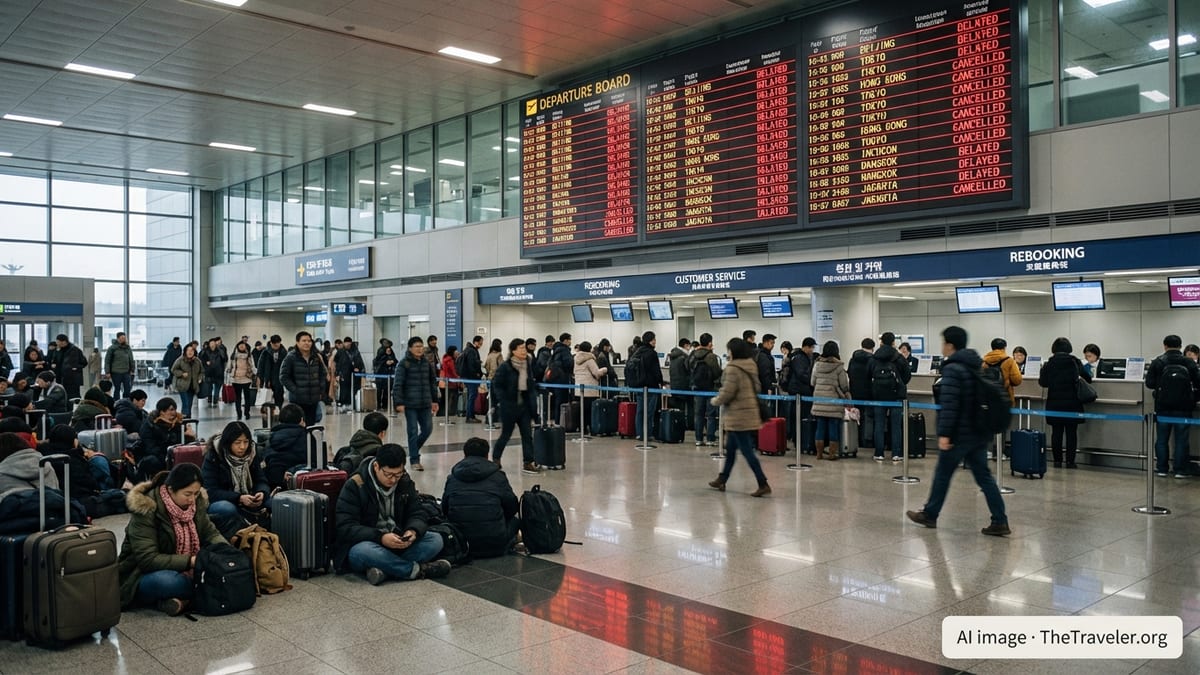
Industry analysis suggests that more than 800 Lufthansa and Lufthansa CityLine flights have been cancelled across the two strike days, affecting well over 100,000 passengers. With aircraft parked on ramps and departure boards dominated by red cancellation notices, Germany’s aviation system is operating at a fraction of normal capacity for the airline’s core network.
The current stoppage follows a separate one day strike by Lufthansa cabin crews on April 10 that already forced the cancellation of a large majority of flights at Frankfurt and Munich. The rapid succession of actions has magnified the impact on travel, particularly for visitors relying on tight connections during the early spring tourism period.
Tourism Itineraries Collapse Across Germany and Beyond
The timing of the strike has been especially damaging for Germany’s tourism sector. April is the start of the main European city break season, with travelers heading to destinations such as Berlin, Munich, Cologne and Hamburg as well as using German hubs to connect to other parts of Europe. With so many Lufthansa departures grounded, many visitors are finding themselves stranded at transit airports or unable to begin their trips at all.
Travel sector reports describe holidaymakers missing prepaid hotel stays, river cruises along the Rhine and Danube, and organized tours across Bavaria and the Black Forest after inbound segments into Germany or onward connections from Frankfurt and Munich were cancelled. Travelers connecting through Germany to other European cities, North America, the Middle East and Asia have been hit particularly hard as a single cancelled leg has broken otherwise complex itineraries.
German regional tourism bodies are also expected to feel the fallout. Cities and resort areas that depend heavily on Lufthansa and Lufthansa CityLine routes from Frankfurt and Munich are likely to see lower than expected visitor numbers this week. Many travelers who are able to rebook are being routed on alternative carriers, sometimes into entirely different hubs, weakening the normal flow of visitors through German gateways.
Travel advisors note that conference and trade fair attendance is also being disrupted, with business travelers struggling to reach events in Frankfurt, Berlin and other major centers. For foreign visitors planning short stays built around tight schedules, even a 24 hour delay can effectively wipe out a trip.
Rebooking, Rail Options and Passenger Rights
In response to the scale of cancellations, Lufthansa has activated an extensive disruption policy. Publicly available information from the airline indicates that passengers with tickets issued on or before April 11 for flights on April 13 and 14 may rebook free of charge to alternative Lufthansa Group services within a defined travel window. Some seats are also being opened on partner airlines to absorb displaced travelers where capacity allows.
The carrier has again turned to Germany’s rail network to help keep customers moving. For domestic routes within Germany, passengers on cancelled flights are being offered the option to exchange their ticket for a Deutsche Bahn train ticket at no extra cost, subject to certain conditions. This measure, used in previous strike actions, is aimed at alleviating crowding at major airports and providing at least a surface transport alternative between key cities.
Specialists in passenger rights emphasize that many affected travelers may be eligible for compensation under European air passenger rules if their flights were cancelled or heavily delayed with short notice. Guidance published by consumer advocacy and air claim organizations notes that, under typical EU261 provisions, passengers on qualifying flights can claim fixed cash amounts when cancellations are announced less than 14 days before departure, regardless of the cause of the disruption, provided certain criteria are met.
At the same time, high call volumes and limited airport staffing are slowing rebooking efforts. First hand accounts shared on public forums describe long wait times on hotlines, congested queues at airport ticket counters and confusion over reissued tickets on partner carriers. Travelers are being advised in published guidance to monitor their bookings closely, arrive early at airports and use digital self service tools where possible.
Labor Tensions and Financial Fallout for Lufthansa
The pilots’ walkout is the latest in a series of labor disputes at Lufthansa in recent years. Reporting from German media outlines a pattern of industrial action by pilots, cabin crew and ground workers over pay, working conditions and the structure of the broader Lufthansa Group, including newer lower cost subsidiaries. The current strike follows earlier stoppages in February and March, and comes just days after the cabin crew strike that caused substantial disruption.
Analysts following the airline sector suggest that the financial impact of the latest action could be significant. Previous strike waves at Lufthansa have generated costs in the hundreds of millions of euros through lost revenue, compensation payments and operational inefficiencies. With more than three quarters of scheduled flights grounded at key hubs on some strike days, the revenue hit from the current stoppage is expected to be substantial, and further negotiations may drive additional pay and benefit commitments.
There are also concerns about the longer term reputational effects on Germany’s flagship carrier. Frequent strike related disruption, combined with broader geopolitical factors that have already led to route suspensions in parts of the Middle East, may encourage some travelers and corporate clients to diversify away from Lufthansa and its hubs where alternatives are available. Travel commentators note that repeated cancellations can erode customer confidence even when rebooking and compensation are eventually provided.
For now, industry observers are watching to see whether the current round of pilot and cabin crew actions triggers a more comprehensive settlement between unions and management, or whether intermittent strikes will continue into the early summer schedule. The answer will be critical not only for Lufthansa’s financial performance, but also for the reliability of Germany’s air transport system as the peak holiday season approaches.
Ripple Effects Across Airlines and Future Bookings
The problems are not confined to Lufthansa passengers alone. Airlines that codeshare with Lufthansa or rely on its German hubs for feed traffic are also experiencing disruption. Publicly available travel waivers show that partner carriers in Europe and North America are allowing limited free changes for customers ticketed on itineraries involving Lufthansa sectors during the strike period, in recognition of the knock on effects on connections and schedules.
Low cost and rival network carriers serving Germany have seen an uptick in demand as stranded travelers search for last minute alternatives. Fare tracking data compiled by travel industry outlets points to sharp price increases on some routes into and out of Germany as the strike reduces available capacity. With spare seats scarce, some travelers are reworking plans entirely by shifting their destinations to other European hubs that are less affected.
Forward bookings may also be influenced. Travel agents and tour operators report that some customers are already asking to route future trips away from Lufthansa in favor of other European network airlines, particularly for non stop options where alliance connections are not essential. Others are building in longer connection times and additional travel insurance coverage to hedge against potential new strike calls later in the year.
As the current two day strike runs its course, attention is turning to a newly announced cabin crew walkout planned for April 15 and 16, which is expected to extend the disruption at Lufthansa into a fourth consecutive operational day. For travelers headed to or through Germany this week, the message from published guidance is clear: check flight status frequently, be prepared for sudden changes, and expect that air travel across the country will remain unpredictable in the short term.