


More news on this day
Macau’s tourism momentum in 2026 is accelerating as the Hengqin border crossing surpasses 10 million passenger trips earlier in the year than ever before, reinforcing the city’s role as a gateway to the Greater Bay Area and strengthening its appeal to regional travelers.
Get the latest news straight to your inbox!
Record Hengqin Volumes Signal a New Phase for Cross-Border Travel
Recent figures show that Hengqin Port, the 24-hour land crossing linking Macau’s Cotai district with Zhuhai’s Hengqin island, has already handled more than 10 million cross-border passenger trips in 2026, reaching the benchmark in early April. Data highlighted in regional gaming and tourism industry coverage indicates that the milestone was achieved ahead of previous years, underscoring how quickly traffic is scaling at this key gateway.
The performance builds on a surge recorded in 2025, when Hengqin Port exceeded 30 million passenger crossings for the year, representing growth of more than 30 percent compared with 2024 according to publicly available immigration statistics. That rapid expansion now appears to be continuing into 2026, with the port emerging as one of the busiest links between Macau and mainland China.
Hengqin Port’s capacity helps explain the sharp rise in traffic. Opened in 2020 and designed for up to 80 million passenger trips annually, it was purpose-built to support integrated development between Macau and the Guangdong-Macao In-Depth Cooperation Zone in Hengqin. The latest crossing figures suggest that the facility is moving steadily toward that long-term throughput potential.
For visitors, the headline numbers translate into more seamless movement between Macau’s casinos, entertainment resorts and cultural sites on one side of the border, and Hengqin’s shopping, theme park and family attractions on the other, making multi-stop trips increasingly practical in a single day.
Macau Tourism Sets New Records on the Back of Border Growth
The swelling Hengqin volumes are part of a broader tourism upswing in Macau. Publicly available data for 2025 show the city welcomed about 40 million visitors, a record level that exceeded pre-pandemic peaks. Sector analysts and government statistics indicate that total border crossings, counting both inbound and outbound trips, reached well over 200 million movements in the same year, demonstrating how vital land links have become to the destination’s economy.
Projections cited in regional industry reports point to nearly 41 million visitor arrivals in 2026 if current trends hold, which would set a fresh high. Early indicators from the New Year and Lunar New Year holiday periods show robust crowds, with Hengqin and the main Border Gate checkpoint handling a large share of the flows.
The composition of visitors is also evolving. Figures for 2025 and late 2024 show strong growth in same-day travelers and non-package tourists entering via Hengqin, categories considered more flexible and often more willing to combine gaming with shopping, dining and entertainment. The combination of higher visitor volumes and a shift toward independent travelers is seen as positive for Macau’s strategy of broadening its visitor base while raising the value of each trip.
For travelers planning itineraries in 2026, the record tourism performance means a wider range of hotel, dining and entertainment options already in full operation, along with longer operating hours and more frequent transport services connecting Macau’s peninsula, Cotai strip and Hengqin’s new districts.
Hengqin Cooperation Zone Emerges as an Extension of Macau’s Tourism Offer
On the mainland side of the border, the Guangdong-Macao In-Depth Cooperation Zone in Hengqin is rapidly positioning itself as a complementary playground to Macau. During the 2026 Chinese New Year holiday, official local bulletins reported substantial year-on-year growth in Hengqin’s visitor traffic, with large malls and entertainment complexes registering hundreds of thousands of visits and strong holiday sales.
Previous holiday periods already pointed to this trend. Coverage of the October 2025 Golden Week showed Hengqin experiencing sharp increases in both pedestrian and vehicle crossings, alongside a notable rise in visitors using Hengqin passes for short-haul leisure trips. Many of those travelers structured their journeys as “one trip, multiple stops,” combining Hengqin’s retail and family attractions with Macau’s gaming, shows and heritage sites.
New infrastructure is helping to blur traditional borders in practical terms. The Hengqin line of the Macau Light Rapid Transit, launched in late 2024, runs as a short shuttle connecting Taipa’s Lotus station with Hengqin station in roughly two minutes. High-frequency departures reduce friction for visitors moving between integrated resorts in Cotai and entertainment districts across the border.
As more hotels, theme parks and cultural venues open in the Cooperation Zone, destination marketing is increasingly framed around a joint Macau–Hengqin leisure corridor. For travelers, the message in 2026 is that a stay in Macau can easily include shopping, nature and family attractions in Hengqin without complicated logistics.
Policy Tweaks, Visas and Infrastructure Upgrades Enhance Visitor Experience
Policy adjustments over the past two years are also supporting the rise in cross-border tourism. Expanded visa facilitation, including broader visa-free short-stay arrangements for certain groups and the promotion of multiple-entry endorsements via Hengqin, has been flagged in official notices and industry analyses as a key driver of repeat visits from mainland residents.
Immigration authorities have rolled out additional e-channel services and streamlined inspection processes on both sides of the Hengqin facility, part of a wider push to standardize “joint checkpoint, one-stop inspection” models across the Greater Bay Area. Public information shows that these measures have reduced processing times and allowed the port to handle spikes in demand during peak weekends and holidays.
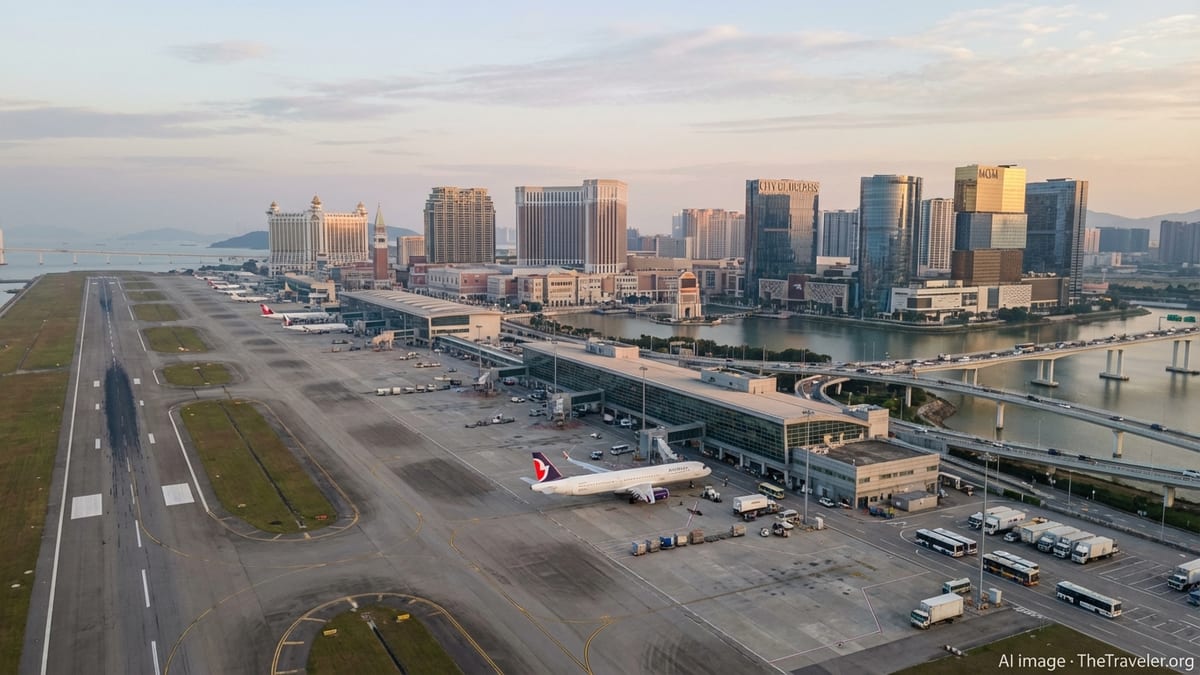
On the transport side, Hengqin’s role is reinforced by improved connectivity with the wider region. Macau’s international airport served more than seven million passengers in 2025, with routes covering major mainland cities and key markets in Northeast and Southeast Asia. Travelers can increasingly arrive by air, stay in Macau, and then easily extend their trip into Hengqin or other Pearl River Delta cities using bridges, high-speed rail and intercity buses.
For visitors on the ground in 2026, the combined impact of these policies and infrastructure upgrades is most visible in shorter queues at many times of day, more predictable crossing times and better integration between border facilities and resort transport systems.
What Travelers Should Expect at Hengqin and Across Macau in 2026
For those planning trips this year, the rapid climb to 10 million crossings at Hengqin Port offers both opportunities and considerations. Peak flows are typically concentrated around mainland public holidays, weekends and major events, which can mean busy terminals and dense crowds. However, outside of these periods, capacity enhancements and frequent public transport links help keep movements relatively smooth for most travelers.
The growing synergy between Hengqin and Macau means that many resort packages, events and promotional campaigns now highlight cross-border experiences, from family-friendly attractions and duty-free shopping to concerts and sports. Visitors who previously treated Macau as a one- or two-night gaming destination are increasingly building longer stays that include leisure time in Hengqin.
Analysts following the sector expect 2026 to consolidate Macau’s status as the primary leisure and entertainment hub of the Greater Bay Area, anchored by strong mainland demand and supported by continued investment in non-gaming offerings. Hengqin’s fast-rising border numbers are widely interpreted as a sign that this integrated tourism zone is gaining traction with regional travelers.
For international visitors using Macau as an entry or transit point into southern China, Hengqin’s expanded role offers another option for exploring the region beyond traditional city stops, while still enjoying the familiar infrastructure and hospitality standards that have underpinned Macau’s tourism success.