


More news on this day
Hundreds of travelers moving through Copenhagen Airport on June 6 faced widespread disruption as more than 60 departures and arrivals were delayed and several were canceled, affecting key European routes operated by Scandinavian Airlines, its Irish subsidiary, CityJet and other carriers.
Get the latest news straight to your inbox!
Operational issues ripple through Scandinavian network
Publicly available airport and flight tracking data for June 6 indicate that Copenhagen Airport experienced a sharp uptick in irregular operations, with reports pointing to about 63 delayed flights and at least seven cancellations across multiple airlines serving Denmark. The pattern of disruption was most visible on short haul European services that connect Copenhagen with major business and leisure destinations.
Scandinavian Airlines and Scandinavian Airlines Ireland, which together operate a large share of traffic at Copenhagen, appeared prominently in the lists of affected flights. Regional operator CityJet, which provides capacity on some SAS branded services, was also among the carriers experiencing schedule interruptions. Other European airlines using Copenhagen as a gateway or transfer point saw knock on effects as aircraft and crews were held up.
Published coverage of recent traffic across the wider SAS network shows that operational strains have been building into the early summer schedule, including earlier disruptions from Stockholm Arlanda that cascaded to cities such as Hamburg, Helsinki and London. Those strains, combined with tight aircraft utilization and high seasonal demand through Copenhagen, created limited slack in the system when delays began to accumulate.
Travel industry analysts note that while the total number of flights affected at Copenhagen remains a small fraction of the airport’s daily movements, the concentration on popular European routes magnified the impact for connecting passengers who rely on precisely timed transfers.
Key European routes among the hardest hit
Routes linking Copenhagen with Munich, Milan, Hamburg, Helsinki, Manchester and London were among those most exposed to Saturday’s disruption, according to real time schedule boards and historical flight status databases. These city pairs form part of SAS’s core European network and are also served by partner and rival carriers, making them critical corridors for both business and leisure traffic.
Services between Copenhagen and Munich and between Copenhagen and Milan are important north south links, feeding passengers into connections across central and southern Europe. Disruption on these routes can quickly affect long haul itineraries that begin or end in Denmark, as passengers miss onward flights or arrive too late for same day connections.
Traffic between Copenhagen and Hamburg and between Copenhagen and Helsinki also plays a strategic role within Scandinavia and northern Germany. These flights support both point to point demand and the broader transfer flows that connect the Nordic region with the rest of Europe. Delays and cancellations on these services can reverberate through regional schedules, particularly on Saturdays when many weekend travelers move between cities.
Links to Manchester and London from Copenhagen carry a mix of corporate and tourism traffic, and are often tightly scheduled to match morning and evening departure banks. When irregular operations occur on these routes, passengers can face lengthy rebooking queues as alternative same day options quickly fill up, especially during the busy summer travel period.
Passenger experience marked by queues and rebookings
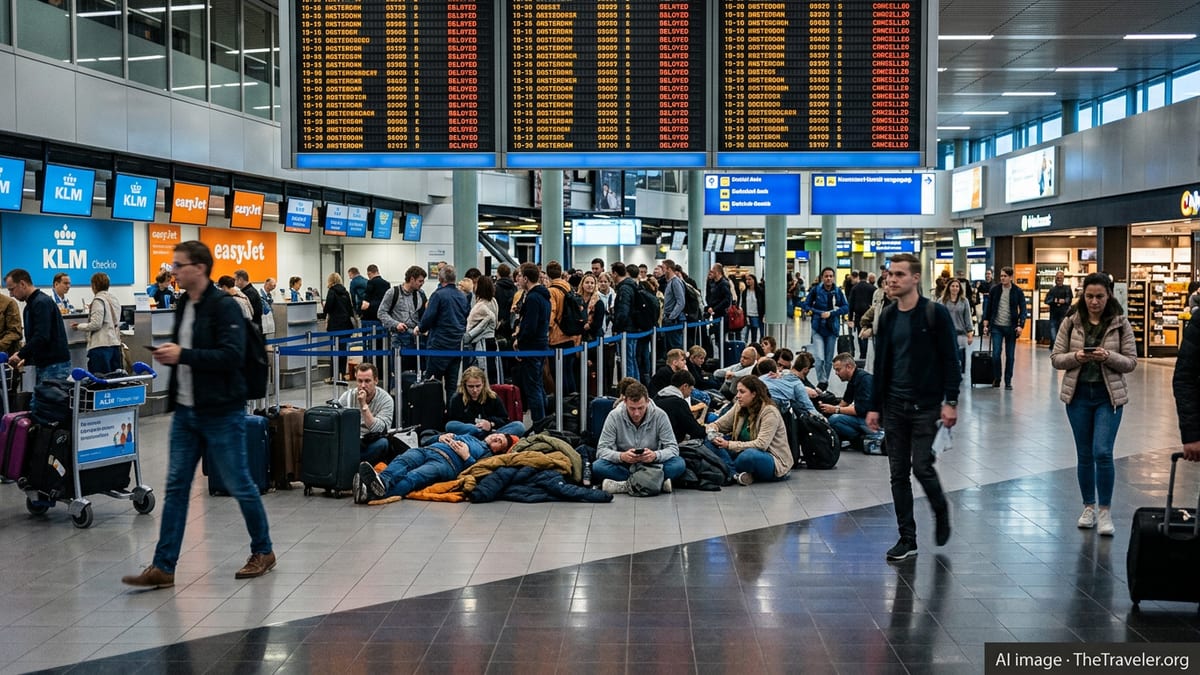
Reports from travelers and arrival and departure board snapshots from June 6 point to long lines at check in desks and transfer counters as passengers sought new itineraries and compensation information. With a cluster of flights delayed by more than two hours and a series of outright cancellations, many travelers heading to or from Munich, Milan, Hamburg, Helsinki, Manchester and London faced missed connections and overnight disruptions.
Some passengers were offered rerouting via other European hubs such as Frankfurt or London to reach final destinations after direct flights were canceled or heavily delayed. In several cases, travelers reported being moved onto later departures from Copenhagen on the same route, which in turn increased load factors and pressure on those services.
Airline self service tools and mobile apps helped some customers to rebook without waiting in line, but those with complex itineraries or separate tickets often needed in person assistance. Families and travelers on tight schedules, including those connecting to long haul flights, appeared particularly vulnerable to the knock on effects of the day’s disruption.
While many flights ultimately departed, the combination of rolling delays and gate changes contributed to confusion in the terminal. Publicly available information boards showed clusters of departures marked as delayed within similar time windows, suggesting that small operational issues compounded into a broader wave of congestion.
Context: a busy summer season and network pressures
According to previously published announcements from SAS Group, the airline has been ramping up its summer 2026 schedule from Copenhagen with increased capacity and new long haul routes. This expansion has added more complexity to day to day operations, particularly at peak times when multiple departure banks overlap.
Earlier in the season, disruptions centered on Stockholm Arlanda highlighted how quickly issues at one Scandinavian hub can spill over into others. Those events, involving cancellations and delays across dozens of European destinations, underscored the sensitivity of the broader network to aircraft and crew availability, regulatory approvals on new routes and congestion at busy airports.
Against this backdrop, the concentration of delays and cancellations in Copenhagen on June 6 illustrates how even a limited number of irregular operations can propagate across multiple countries. As aircraft rotate between cities such as Munich, Milan, Hamburg, Helsinki, Manchester and London, a delay early in the day can cascade into subsequent sectors if buffer times are short.
Travel data providers have noted that Europe’s aviation system remains vulnerable to knock on disruption from air traffic control constraints, weather and operational challenges at individual carriers. When hubs such as Copenhagen experience localized turbulence in their schedules, passengers across the continent can feel the impact within hours.
What travelers can do when flights from Copenhagen are disrupted
Consumer advocates and travel law specialists regularly advise passengers affected by delays and cancellations in Europe to document boarding passes, booking confirmations and any written notices from airlines regarding the cause and length of disruption. This documentation can be important for later claims under European passenger rights rules, which in some cases provide fixed compensation in addition to refunds and rebooking.
Travel experts also recommend that passengers check airline apps and official channels frequently when disruption begins to spread across a hub such as Copenhagen. Proactive rebooking into earlier available alternatives can reduce the risk of being stranded overnight, particularly on high demand routes such as those to Munich, Milan, Hamburg, Helsinki, Manchester and London.
For future trips, some specialists suggest allowing longer connection times at major hubs and avoiding tight minimum connection windows when traveling during peak summer weeks. Flexible itineraries, travel insurance that covers delays and cancellations, and awareness of passenger rights can help mitigate the impact when irregular operations occur.
The events at Copenhagen Airport on June 6 highlight the continuing fragility of tight European schedules during busy periods. As airlines expand capacity for the summer season, travelers across the continent may face further episodes of disruption and will likely continue to rely on clear information and flexible rebooking options to complete their journeys.