


More news on this day
Malaysia Airlines is confronting a fresh wave of turbulence after a surge in flight cancellations, intensifying pressure on Malaysia’s aviation industry just as the country pushes an ambitious strategy to stabilise capacity, navigate global supply disruptions and restore passenger confidence.
Get the latest news straight to your inbox!
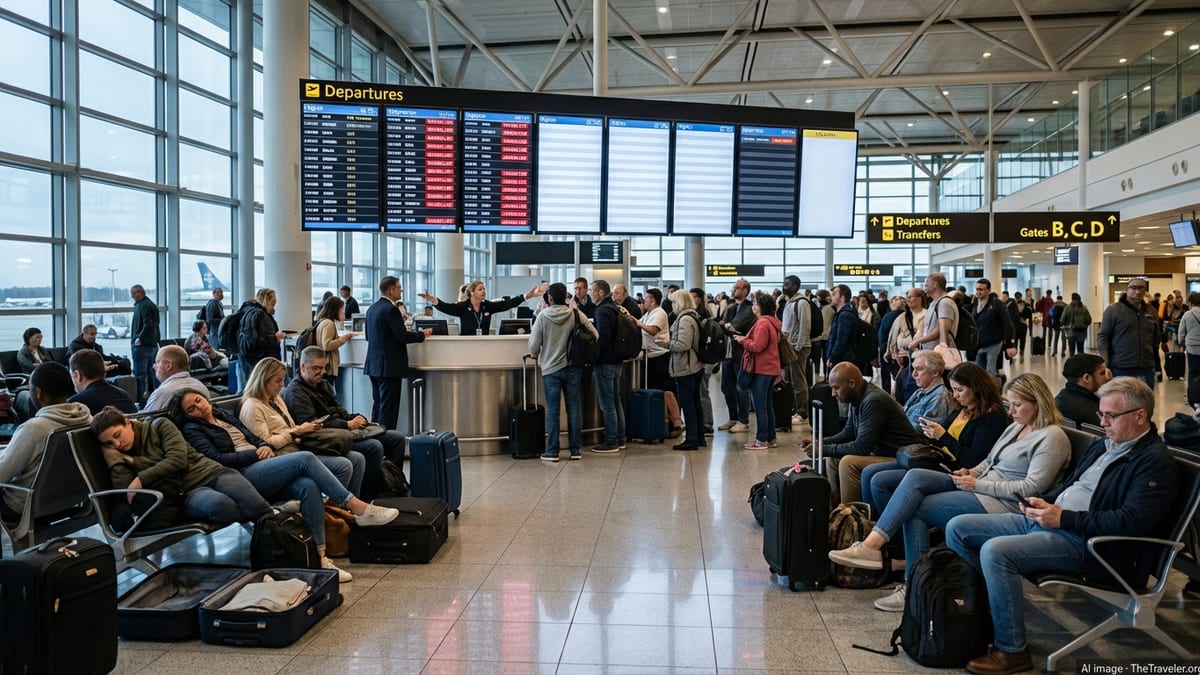
Cancellation Spike Puts National Carrier Under Scrutiny
Publicly available transport statistics in Malaysia show that cancellations on Malaysia Airlines services have risen sharply over the past two years, with reported figures for 2024 alone exceeding 8,000 flights. When combined with earlier disruption in 2023 and schedule reductions linked to capacity cuts, the cumulative impact since the pandemic recovery phase is estimated to have crossed the 10,000-flight mark. The pattern places the national carrier among a growing list of airlines worldwide that are struggling to match schedules with the aircraft and parts actually available.
Reports from Malaysian aviation and transport briefings indicate that the spike has been driven by a mix of global aircraft and spare parts shortages, delayed deliveries of new jets and a network that was initially rebuilt around optimistic demand expectations. Faced with rising customer complaints over late-notice cancellations and schedule changes, Malaysia Airlines’ parent group has moved in recent years to pull back frequencies on selected domestic and regional routes in order to operate what it describes as more realistic and resilient timetables.
The cancellations come as air travel through Kuala Lumpur and other Malaysian gateways continues to recover toward pre-pandemic levels. Industry data shows that demand on key domestic routes remains strong, but the national carrier’s reduced capacity has opened space for competitors such as AirAsia and Batik Air Malaysia to consolidate their presence on high-demand sectors, intensifying commercial pressure just as Malaysia Airlines seeks to reposition itself as a premium Asia Pacific brand.
Across the wider industry, passengers have become more sensitive to operational reliability after several high-profile global disruptions linked to IT failures, staffing shortages and extreme weather. The elevated cancellation tally at Malaysia Airlines has fed into that concern, making reliability and service delivery central tests of the country’s broader aviation strategy.
Global Supply Shocks Force Capacity Cuts and Network Rebalancing
Malaysia Aviation Group, the parent company of Malaysia Airlines, has publicly linked its network adjustments to global supply chain stresses that have limited access to new aircraft and critical spare parts. Published statements from the group describe a 20 percent capacity reduction in parts of its network as a necessary response to delivery delays for new jets and maintenance bottlenecks that have kept older aircraft grounded for longer than planned.
Industry coverage of Malaysia’s aviation market notes that the airline has had to stretch the utilisation of its existing fleet while waiting for new Airbus A330neo aircraft and other narrowbody and widebody jets. This has increased the risk of schedule disruption when unplanned maintenance arises, forcing last-minute consolidations or cancellations. Aviation analysts following the region have argued that these conditions are not unique to Malaysia, but the national carrier’s relatively small fleet magnifies the effect of each grounded aircraft on its timetable.
Regulatory and consumer reports out of Malaysia highlight a parallel rise in complaints relating to delays, rescheduling and refunds across all carriers, though Malaysia Airlines and other full-service operators tend to attract closer scrutiny because they are expected to provide rebooking options and care for disrupted passengers. Observers say that as global aviation grapples with high demand and limited capacity, carriers that overpromise on schedules are most exposed to reputation damage when flights are pulled back.
In response, the group has restructured its network planning processes to prioritise reliability over rapid expansion, trimming lightly used frequencies and consolidating services on core trunk routes. These moves align with broader regional trends in which airlines in Southeast Asia are moving more cautiously on capacity growth, rather than returning immediately to pre-2020 schedules at any cost.
Malaysia’s Long-Term Aviation Strategy Shifts From Survival to Growth
The disruption has unfolded just as Malaysia seeks to reposition its aviation sector for the next decade. Malaysia Aviation Group has released a new long-term business plan that sets targets to expand capacity by more than 50 percent over the next several years, grow revenue significantly by 2030 and lift Malaysia Airlines into the ranks of the world’s top airlines by major rating benchmarks. Public information on the plan shows an emphasis on premium service, expanded international connectivity and a more diversified group business model that includes cargo, maintenance and other aviation services.
The strategy aims to move the group definitively beyond the survival mode that followed the twin tragedies of MH370 and MH17 and the deep financial restructuring that culminated in 2021. The latest phase focuses on carefully sequenced growth: modernising the fleet, rebuilding long-haul connectivity, and deepening alliances with other carriers while maintaining financial discipline. Aviation analysts view the plan as ambitious but achievable if operational reliability can be stabilised and demand in key markets, particularly in Asia and the Middle East, remains robust.
The government and regulators have framed aviation as a strategic enabler of tourism and trade, and Malaysia’s airport and airspace planners have incorporated the group’s targets into long-term forecasts. Forecast documents from Malaysian aviation authorities describe upside opportunities from rising intra-Asian travel and potential new long-haul links, but also point to downside risks from fuel price volatility, geopolitical tensions and the risk of further supply chain disruptions affecting aircraft deliveries.
Within this context, Malaysia Airlines’ recent wave of cancellations is being watched as a stress test of the strategy’s resilience. If the carrier can work through the near-term turbulence and still execute its fleet and network plans, it will support the broader national objective of positioning Malaysia as a regional aviation hub. Continued instability, however, could slow investment decisions and encourage travelers to opt for rival hubs in Singapore, Bangkok or Jakarta.
Fleet Renewal, New Orders and Operational Fixes to Rebuild Confidence
A central pillar of Malaysia’s response has been a major fleet renewal drive. Publicly available information on the carrier’s fleet strategy shows orders and commitments for new-generation aircraft, including Airbus A330neo widebodies and additional Boeing jets, to replace aging planes and support growth. Industry analysis indicates that the group is targeting a fleet of more than 110 aircraft by the mid-2030s, up from current levels, with a focus on fuel-efficient models that reduce operating costs and environmental impact.
Alongside new orders, Malaysia Airlines has been reconfiguring cabins and updating its onboard products to reinforce its premium positioning. Coverage in regional business media highlights investments in upgraded business class seating, improved inflight entertainment and refreshed lounges at Kuala Lumpur International Airport. These product upgrades are intended to complement behind-the-scenes changes to maintenance planning, crew rostering and digital operations control that seek to catch potential disruptions earlier and reduce the likelihood of last-minute cancellations.
Operationally, the airline has introduced schedule adjustments to build more slack into its rotations, allowing for recovery windows when an aircraft or crew issue arises. Network planners have concentrated spare capacity on routes with the highest strategic importance, such as key domestic trunk lines and high-yield regional links to major Asian capitals. Aviation commentators note that while this can mean fewer options on secondary routes, it is likely to improve on-time performance and reduce widespread knock-on delays.
Malaysia Aviation Group’s broader strategy also leans on partnerships. Codeshare and alliance relationships are being used to maintain connectivity where direct Malaysia Airlines flights are temporarily reduced, offering passengers alternative itineraries while the carrier rebuilds its own capacity. Industry watchers say this approach could help retain loyalty among corporate clients and frequent travelers who value network breadth as much as schedule punctuality.
Restoring Passenger Trust in a Volatile Global Travel Landscape
The sharp rise in cancellations poses a direct challenge to passenger confidence, both in Malaysia Airlines and in Malaysia as a travel gateway. Consumer-facing data from Malaysian aviation regulators shows that complaints related to refunds, schedule changes and perceived lack of timely information have risen, particularly around peak holiday periods when disruption is most visible. Social media discussion and local coverage have amplified these frustrations, putting pressure on airlines to respond more quickly and transparently when plans change.
To address this, Malaysia Airlines has updated customer policies and communication channels, including more frequent use of digital notifications and app-based updates. Public information from the airline’s travel and holiday platforms outlines revised terms and conditions for schedule changes, with an emphasis on one-time free change options on certain bundled products and clearer language on the handling of disruptions caused by external events. While passenger advocacy groups continue to push for stronger protections, these policy moves are seen as a step toward more predictable outcomes for travelers.
The wider global aviation backdrop remains unsettled, with carriers worldwide still contending with aircraft delivery delays, maintenance capacity constraints and occasional technology-related disruptions. Comparisons drawn in industry reports suggest that Malaysia’s national carrier is experiencing a particularly concentrated bout of turbulence but is not alone in facing a mismatch between rising demand and constrained supply. This context helps explain why Malaysia’s aviation strategy places such emphasis on resilience, not just growth, in the decade ahead.
For now, travelers using Malaysia Airlines are advised by consumer groups and travel advisories to monitor their bookings closely, allow extra time for connections and consider flexible ticket options where available. Whether the carrier can translate its long-term strategic roadmap and fleet investments into a more stable everyday experience will be a key measure of success as Malaysia seeks to reinforce its status as a trusted hub for regional and long-haul journeys.