


More news on this day
Air travelers across Europe faced widespread disruption over the weekend as Rome Fiumicino and several other major hubs logged more than 200 cancellations and thousands of delays, snarling peak summer schedules and leaving passengers scrambling for alternatives.
Get the latest news straight to your inbox!
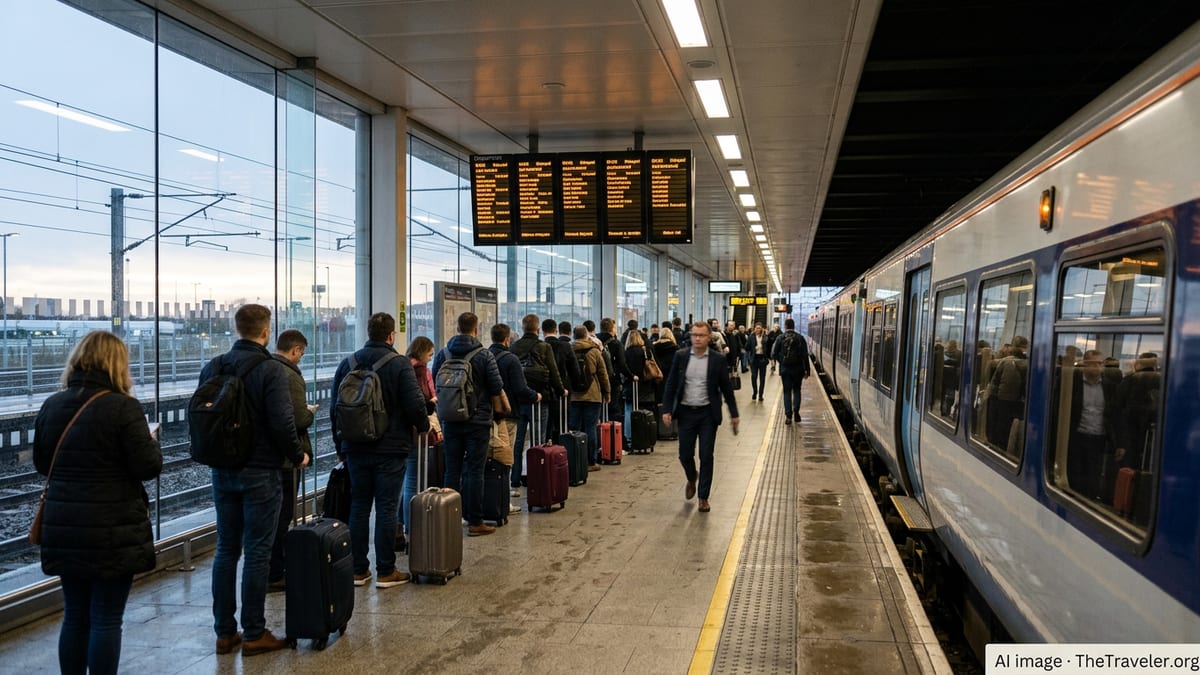
Rome Fiumicino Emerges As A Major Disruption Hotspot
Operational data and airline status boards from Rome Fiumicino indicate that the Italian capital’s main airport was among the hardest hit, with 205 flights cancelled and roughly 2,480 services delayed over a concentrated period. The disruption affected both arrivals and departures, rippling through domestic and international networks at the height of the August holiday season.
The figures place Rome among the least reliable major European hubs over the affected days, with a significantly higher proportion of schedule changes than is typical for this time of year. While individual carriers reported varying impacts, the overall effect for travelers was similar: missed connections, unexpected overnight stays and fragmented itineraries stretching across multiple days.
Publicly available flight-tracking information shows that delays at Fiumicino often stretched beyond one hour, particularly on long-haul departures to North America and key European business routes. Airlines responded by consolidating lightly booked services, rolling aircraft and crews between routes, and in some cases cancelling rotations outright when downstream schedules could not be recovered.
The concentration of cancellations at a single hub amplified knock-on disruption throughout Europe’s dense short-haul network. With many aircraft and crew sequences built around Rome rotations, schedule changes there quickly translated into late inbound aircraft at other airports, further compounding delays.
Operational Strains And Weather Combine Across The Continent
While Rome stood out in raw numbers, reports from aviation data providers and local media point to a broader pattern of stress across Europe’s air transport system. A combination of localized storms, airspace congestion and tight crew availability created a fragile operating environment, particularly at large hub airports where even minor disruptions can cascade.
Several European carriers entered the peak summer period with leaner staffing levels and tight aircraft utilization, a lingering consequence of post-pandemic restructuring and high demand. This left limited slack to absorb late-running aircraft, technical issues or short-notice air-traffic restrictions. When service interruptions did occur, recovery windows were narrow, resulting in same-day cancellations rather than long rolling delays.
Weather-related constraints also played a role. Thunderstorms over parts of central and southern Europe forced temporary ground stops and route deviations, reducing airport capacity during critical bank periods when many flights were scheduled to depart within a short window. Reduced arrival and departure rates at busy hubs quickly filled holding stacks and departure queues, contributing to the spike in delay statistics.
Industry observers note that Europe’s fragmented airspace management can magnify such episodes. Capacity restrictions imposed in one control sector can create backlogs hundreds of miles away, adding to congestion at airports that may not be directly affected by local weather or staffing issues.
Travelers Face Missed Holidays, Long Queues And Rebooking Battles
For travelers, the numbers translated into disrupted holidays, missed cruises and business trips cut short. Passenger accounts shared via social platforms describe hours-long queues at service desks in Rome and other hubs, as well as difficulty reaching airline call centers during peak disruption windows.
Many passengers whose flights were cancelled reported being rebooked one or even two days later, particularly on popular transatlantic and Mediterranean leisure routes that were already operating near capacity. Some travelers opted to purchase new tickets on competing carriers or reroute via secondary airports to avoid extended waits, adding to the cost and complexity of their journeys.
Accommodation and meal arrangements varied widely. In cases where cancellations were attributed to operational decisions or technical issues within the carrier’s control, travelers reported being offered hotel rooms, transport to and from the airport, and meal vouchers, consistent with standard European consumer protections. Where disruptions were linked to weather or broader air-traffic issues, assistance often focused on rebooking, with fewer on-the-ground benefits.
The timing of the disruption, coinciding with one of Europe’s busiest outbound weekends in August, intensified the impact. Families traveling with children and large tour groups found fewer spare seats available on alternative flights, reducing flexibility and forcing some to shorten or substantially alter their planned trips.
Key Hubs Across Europe Report Spikes In Delays
Rome’s difficulties were mirrored, to a lesser extent, at several other European airports. Major hubs in Germany, France and the United Kingdom reported elevated delay rates, particularly on short-haul intra-European services that depend on tight aircraft turnarounds and high schedule density.
Operational statistics from regional punctuality reports show that even under normal conditions, large airports often see departure delay averages approaching ten minutes or more, with on-time performance hovering in the mid-70 to mid-80 percent range. During the recent disruption window, anecdotal evidence suggests that these averages deteriorated noticeably, with clusters of services departing well behind schedule as ground operations and air-traffic flows struggled to catch up.
Smaller regional airports tied closely to hub operations also experienced secondary effects, including late evening arrivals pushing against night curfews and the repositioning of aircraft to support disrupted banks at larger hubs. In some cases, this resulted in last-minute timetable changes for passengers who had planned short domestic hops or feeder flights into major European connection points.
Airlines and airport operators are expected to examine the episode as part of broader summer performance reviews, focusing on whether schedule plans, staffing levels and contingency buffers were sufficient for the level of demand and the operational risks facing the network.
What Passengers Should Do If Their Flight Is Affected
With peak-season disruption increasingly common, consumer organizations and travel advisers are urging passengers to prepare for potential interruptions when flying through major European hubs such as Rome. Publicly available guidance emphasizes the importance of monitoring flight status early and often, using airline apps or departure boards, and checking in as soon as possible to secure priority in the event of schedule changes.
Travel specialists also highlight the value of building longer connection times into complex itineraries, especially when routing through multiple hubs in a single journey. While longer layovers can be less convenient, they provide added resilience if an initial flight is delayed departing or arriving.
In Europe, passenger-protection rules generally provide for assistance and, in some situations, financial compensation when cancellations or long delays are attributable to airline-controlled factors such as crew or maintenance. Travelers are encouraged to keep all documentation, including boarding passes, booking confirmations and receipts for meals and accommodation, to support any future claims.
For now, the recent wave of cancellations and delays around Rome and other European hubs serves as a reminder that the continent’s air transport system remains vulnerable during peak traffic periods. As airlines and airports work to stabilize operations, passengers planning late-summer and early-autumn trips are likely to pay close attention to performance trends at the main hubs on their itineraries.