


More news on this day
Malaysians stranded in Jakarta after the eruption of Mount Anak Krakatau disrupted air travel are reporting steep increases in return ticket prices, with some saying fares to Kuala Lumpur have surged to as much as three times their original cost.
Get the latest news straight to your inbox!
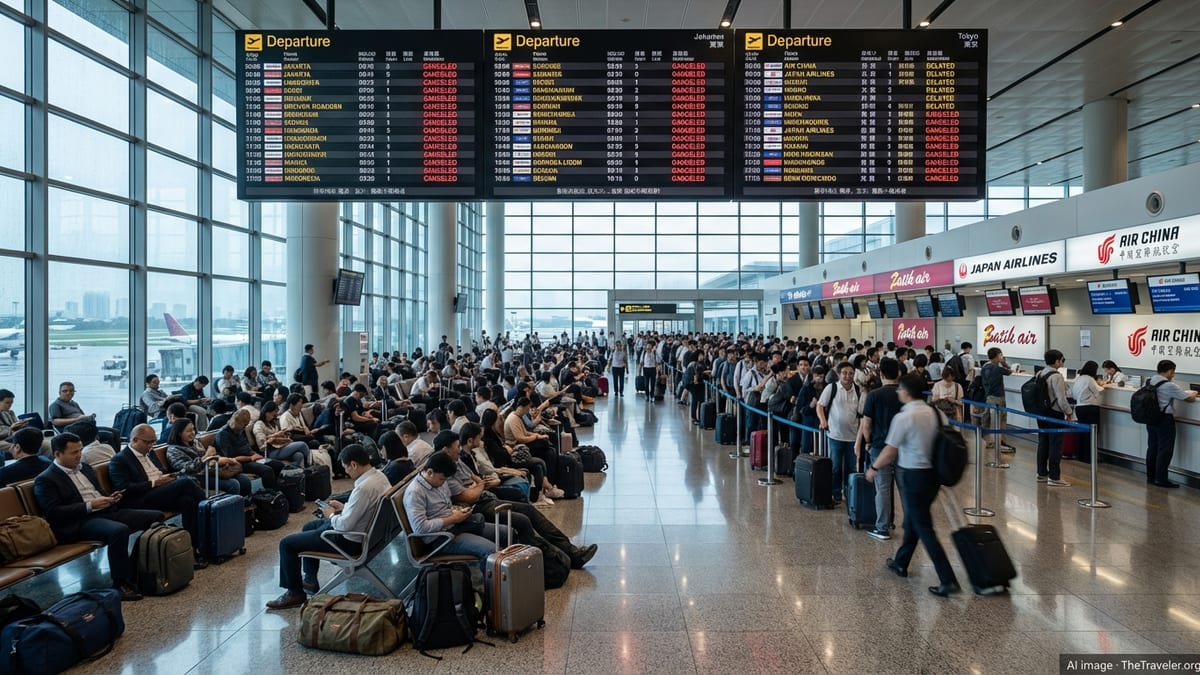
Volcanic ash triggers cancellations and airport disruption
Flights between Malaysia and Jakarta were heavily disrupted over the weekend after ash from Mount Anak Krakatau drifted toward the Indonesian capital, prompting airspace restrictions and operational changes at Soekarno-Hatta International Airport. Reports indicate that flight operations at the airport were temporarily suspended and schedules significantly reduced while authorities assessed ash cloud risks to aircraft engines.
Malaysian and Indonesian media coverage notes that Malaysia Airlines and Batik Air together canceled around 20 flights on the Malaysia–Jakarta route on September 6, while Malaysian airport operator Malaysia Airports Holdings Berhad reported a broader tally of more than 30 Jakarta-bound flights from Malaysia affected. The sudden loss of capacity left many travelers holding confirmed tickets but no immediate way home.
Travelers attempting to rebook found that alternative flights were either full or pushed several days ahead. Some described spending long hours at Soekarno-Hatta’s Terminal 3 and other concourses, monitoring departure boards and airline apps as further schedule changes and rolling delays were announced.
Compounding the disruption, hotel demand in Jakarta rose sharply as stranded passengers sought last-minute rooms. Media reports describe fully booked properties near the airport and in popular districts, adding to costs for Malaysians who had budgeted only short city breaks or weekend concert trips.
Return fares to Kuala Lumpur reportedly triple
As airlines adjusted their schedules and remaining seats became scarce, multiple Malaysian news outlets reported that the price of available return flights from Jakarta to Kuala Lumpur spiked dramatically. In some cases, economy-class one-way tickets on the short-haul route were reportedly selling at up to three times the amount passengers had initially paid for their original round-trip bookings.
Coverage in Malaysian-language portals highlights individual travelers who flew to Jakarta earlier in the week for concerts and leisure trips and then saw their early-morning Batik Air or other flights canceled at short notice. When they checked for alternatives on the same day, they found higher fares across several carriers, including low-cost operators, reflecting both limited inventory and heightened demand.
Publicly available fare comparison data typically show that return tickets on Kuala Lumpur–Jakarta routes can be found for under RM300 during non-peak periods when booked in advance. By contrast, stranded passengers sharing their experiences with local media described seeing last-minute prices well above those averages, particularly for departures within the next 24 to 48 hours.
Some reports suggest that even indirect routings via other Indonesian or regional hubs were commanding elevated prices as travelers scrambled for any possible way to return to Malaysia. For those traveling in groups or with families, the cumulative cost of rebooked flights, extra hotel nights and local transport quickly added up.
Capacity squeeze and pricing rules in the spotlight
The price spike has reignited debate among travelers about how airlines and regulators manage fares during sudden disruptions. Industry data show that airlines commonly use dynamic pricing systems that adjust ticket costs based on real-time demand and seat availability, meaning the final seats on a flight can be significantly more expensive than early-booked tickets even under normal conditions.
In Indonesia’s domestic market, the Transport Ministry has previously stressed publicly that airlines must comply with regulated fare caps and lower limits on economy-class tickets, particularly during high-demand travel periods. While those rules apply mainly to internal routes, the underlying framework illustrates how regulators seek to balance commercial viability with consumer protection.
On international sectors such as Jakarta–Kuala Lumpur, fares are generally more flexible and often pegged to market conditions. Travel data aggregators tracking Malaysia–Indonesia routes show that typical return prices swing sharply between off-peak and busy seasons, and that same-day or next-day tickets can be several times higher than advance-purchase deals even without major disruption.
Analysts note that when multiple flights are canceled at once, as occurred following the Anak Krakatau ash incident, the sudden compression of capacity can push more passengers into a much smaller pool of remaining seats. That effect, combined with automated revenue management systems, can result in sharp short-term price jumps for those trying to travel immediately.
Stranded holidaymakers face mounting costs and uncertainty
Beyond the headline fares, Malaysians caught in Jakarta are also grappling with the wider financial impact of an extended stay. Travelers who had planned short trips for concerts, shopping or weekend getaways now find themselves paying for extra nights in hotels or guesthouses as they wait for the next available flights back to Kuala Lumpur, Penang or other Malaysian cities.
Local media coverage describes how some visitors are opting to cut daily expenses, moving to more affordable accommodations or limiting meals and activities while they wait. Others are exploring alternative routes, such as flying to other Indonesian cities with onward connections, or considering nearby hubs in the region if they can secure more reasonably priced tickets.
Social media posts and news reports highlight both frustration and resignation among those affected, with some travelers stating that they have had to dip into savings or emergency funds to cover rising costs. For younger visitors, including students and concertgoers on tight budgets, the combination of higher airfares and unexpected living expenses is particularly challenging.
Despite the disruption, commercial flights between Malaysia and Jakarta have not been fully suspended, and schedules are expected to gradually normalize as ash conditions improve and airlines restore frequency. However, until more capacity returns to the market, Malaysians still in Jakarta may continue to face elevated prices and limited choice for rapid return.
Travel risk and insurance considerations for regional trips
The Jakarta disruption is prompting renewed attention among Southeast Asian travelers to trip-planning habits, including the role of travel insurance and contingency budgeting even for short-haul regional journeys. Many visitors to Indonesia from Malaysia typically treat the two-hour hop to Jakarta or other cities as a low-risk, routine trip, booking discounted fares and minimal add-ons.
Published travel guidance and consumer advisories frequently encourage passengers to review policy details on coverage for natural disasters, airspace closures and airline schedule changes. In events like volcanic eruptions, coverage can vary significantly depending on when a policy was purchased and how insurers define “known events.”
Regional travel data since the pandemic also show that sudden border or airspace restrictions, weather events and natural hazards can rapidly alter flight schedules and costs, even on established routes. Observers suggest that building extra flexibility into itineraries, such as avoiding last-flight-of-the-day options before time-sensitive commitments, may help reduce stress if disruptions occur.
For now, the Anak Krakatau incident underscores the vulnerability of busy short-haul corridors like Kuala Lumpur–Jakarta to external shocks. With Malaysians in Jakarta reporting return flights that cost several times more than their original tickets, the episode is likely to feed into ongoing discussions about pricing transparency, consumer protection and how travelers can better prepare for sudden changes in the regional skies.
Malay Mail: Anak Krakatau chaos strands Malaysians in Jakarta
Bernama: Anak Krakatau eruption disrupts Malaysia–Jakarta flights
Malay News: Malaysians stranded in Jakarta report soaring return fares
Malaysians Must Know the TRUTH: Return flights cost three times more