


More news on this day
Holidaymakers heading to Mallorca this August are being urged to prepare for possible disruption at Palma de Mallorca Airport, as ground handling staff with Swissport stage a series of partial strikes that could slow check in, baggage handling and boarding at one of Europe’s busiest summer gateways.
Get the latest news straight to your inbox!
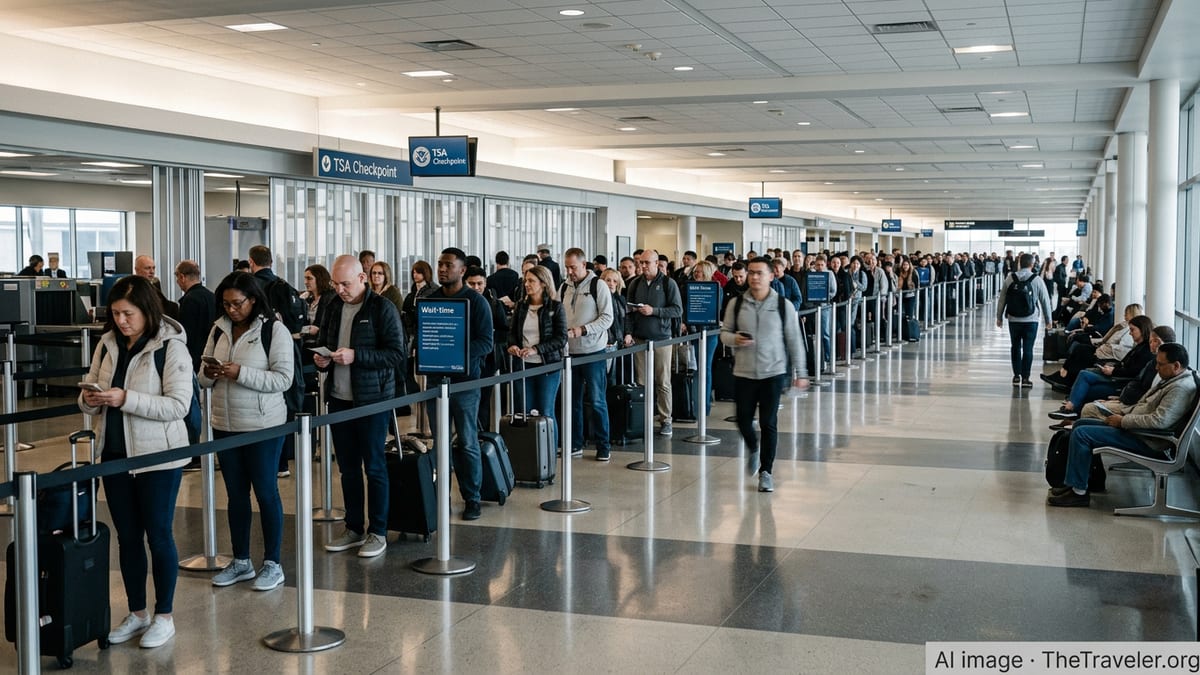
Planned strike days and what is affected
According to recent local and international coverage, ground handling employees working for Swissport at Palma de Mallorca Airport have called a series of stoppages spanning late July and the first half of August 2026. Reports indicate that the industrial action is structured as partial or time limited walkouts rather than a continuous shutdown of operations. The strikes focus on services that support airlines on the ground, including check in desks, baggage loading and unloading, and some ramp activities.
Published strike timetables highlight several dates around the peak holiday period, including early and mid August days when passenger numbers are expected to be high. Travel industry summaries note that the strikes have been authorised for specific shifts and time windows, meaning that disruption is likely to be uneven across the day and to vary from airline to airline depending on their handling contracts at Palma.
Airport operator data and tourism forecasts show that Palma de Mallorca remains one of Spain’s busiest summer airports, with high volumes of leisure traffic from Germany, the United Kingdom and northern Europe. Against this backdrop, even partial stoppages in ground operations can create knock on effects, with possible delays to departures, extended waiting times at check in, and baggage delivery issues at arrivals.
Despite the walkouts, Spanish regulations require minimum service levels to be maintained during strikes in essential transport sectors. Public information from previous aviation disputes in Spain suggests that a proportion of flights must still operate, and some staff must remain on duty. As a result, full cancellations due solely to the Palma ground handling strike are considered less likely than schedule changes, selectively delayed flights and localised congestion.
Why workers are striking and how negotiations stand
Union statements cited in regional media describe the Palma dispute as centring on working conditions and staff levels during the summer peak. Employee representatives have argued that traffic growth in recent years has not, in their view, been matched by proportional increases in staffing, leading to concerns about workload, overtime and the quality of service delivered to passengers.
Reports from Spanish news outlets explain that negotiations between unions and the handling company have been ongoing, with calls for improved pay scales, more predictable rosters and reinforcement of ground teams on the busiest days. The decision to move ahead with partial strikes appears to follow a period in which talks did not produce an agreement considered acceptable by worker assemblies.
Commentary in Balearic business and tourism publications points out that similar disputes have surfaced at other Spanish airports, reflecting a broader tension between the push to accommodate record summer tourism and the resources required on the ground. Labour actions in Palma also come after previous seasons in which handling problems elsewhere in Spain led to baggage backlogs and complaints from travellers.
As of early August, there is no publicly announced comprehensive settlement, although union and company statements leave room for further dialogue. Observers note that strike plans can change at short notice if progress is made at the bargaining table, so travellers are being advised to monitor their airline’s latest updates in the days leading up to departure.
Expected impact on August holiday travel
Travel forums and social media posts from the first strike days at the start of August describe a mixed picture on the ground. Some passengers report only modest delays at check in and baggage claim, with queues moving steadily and flights departing close to schedule. Others mention longer waits for luggage and knock on delays of around 15 to 30 minutes on selected departures where Swissport handles a large share of the flights.
Analysts following European aviation performance note that partial airport strikes often lead to congestion at particular times rather than a complete breakdown of operations. Morning and late afternoon peaks, when many leisure flights are scheduled, are likely to be most sensitive to staffing gaps. If aircraft turnarounds are slowed by a shortage of ramp staff, even small holdups can accumulate across the day and cause later departures to slip.
Industry data for summer 2026 already show tight margins in the European airline network, with several hubs operating close to capacity. For Palma, which serves as a major base for low cost and charter carriers, even minor disturbances can make it harder to recover from earlier delays. Travel agencies on the islands are therefore advising clients to factor in the possibility of waiting longer than usual at the airport, particularly on known strike days.
At the same time, publicly available accounts from passengers who travelled through Palma on strike dates suggest that not all travellers will notice significant disruption. Some airlines may be using alternative handling arrangements or scheduling adjustments to reduce exposure. Minimum service requirements also mean that essential functions must continue, which in practice has so far translated into slower processes rather than outright closures of terminals or checkpoints.
Practical advice for travellers flying via Palma
Given the uncertain impact of the strikes, travel experts and consumer organisations are encouraging visitors to adapt their plans rather than cancel trips outright. A recurring piece of advice in current guidance is to arrive at Palma Airport earlier than usual before departure during August, particularly on dates associated with the industrial action and on busy weekend changeover days.
Airlines and airport information channels typically recommend allowing extra time for check in and security when operational pressures are expected. For Palma in August, many commentators suggest adding at least an additional hour to the normal arrival time at the airport, especially for flights using carriers that rely on Swissport for ground services. This buffer can help absorb slower queues at bag drop and the possibility of longer walks through the large terminal.
Travellers are also being urged to stay informed about their individual flight status. Most carriers serving Mallorca provide real time updates via mobile apps and text messages, and some have introduced flexible rebooking options when labour disputes are anticipated. Consumer advice columns recommend that passengers ensure their contact details are up to date in their airline booking and check for notifications in the 24 hours before travel.
In the terminal itself, packing essentials such as water, snacks, medications and entertainment in cabin baggage can make unexpected waits more manageable. For families and those with reduced mobility, factoring in the time needed to move between check in areas, security and gates at one of Spain’s larger airports is particularly important during periods of operational strain.
What August visitors to Mallorca should watch next
Looking ahead to the remainder of August, observers of the Spanish aviation sector are watching several indicators that will determine how disruptive the Palma ground handling strikes ultimately become. One key factor is whether new talks between unions and Swissport produce concessions that lead to the suspension of some or all of the planned stoppages. Any such development is likely to be reported quickly in local media and reflected in airline communications.
Another variable is how traffic volumes evolve during the peak season. Official projections for summer 2026 suggest record passenger numbers across Spain’s island airports, and Palma is no exception. If demand remains high on the days when strikes go ahead, pressure on airport infrastructure could intensify and make delays more visible to passengers. Conversely, if some visitors adjust their travel dates or times in response to the news, the airport might experience temporary relief.
Comparisons with recent strikes at other European airports show that robust contingency planning by airlines and airport partners can significantly reduce the impact on travellers. Measures can include rescheduling staff, reallocating flights across time slots, or prioritising certain services to keep queues moving. While the details of operational plans at Palma are not fully public, industry reporting suggests that stakeholders are seeking to avoid the severe disruption seen at some hubs in previous years.
For now, the main message to August visitors is to expect the possibility of slower service and occasional delays at Palma de Mallorca Airport rather than widespread cancellations. Those with tight onward connections or time sensitive plans may want to build in additional margins or consider travel insurance that covers labour related disruption. With Mallorca’s beaches and resorts still drawing large crowds, the airport strikes add a layer of complexity to peak season travel that informed planning can help to manage.