


More news on this day
Tourists heading to Mallorca this August are being urged to prepare for possible disruption at Palma de Mallorca Airport, as ongoing industrial action and capacity strains raise the risk of delays to baggage handling and departures during the peak holiday period.
Get the latest news straight to your inbox!
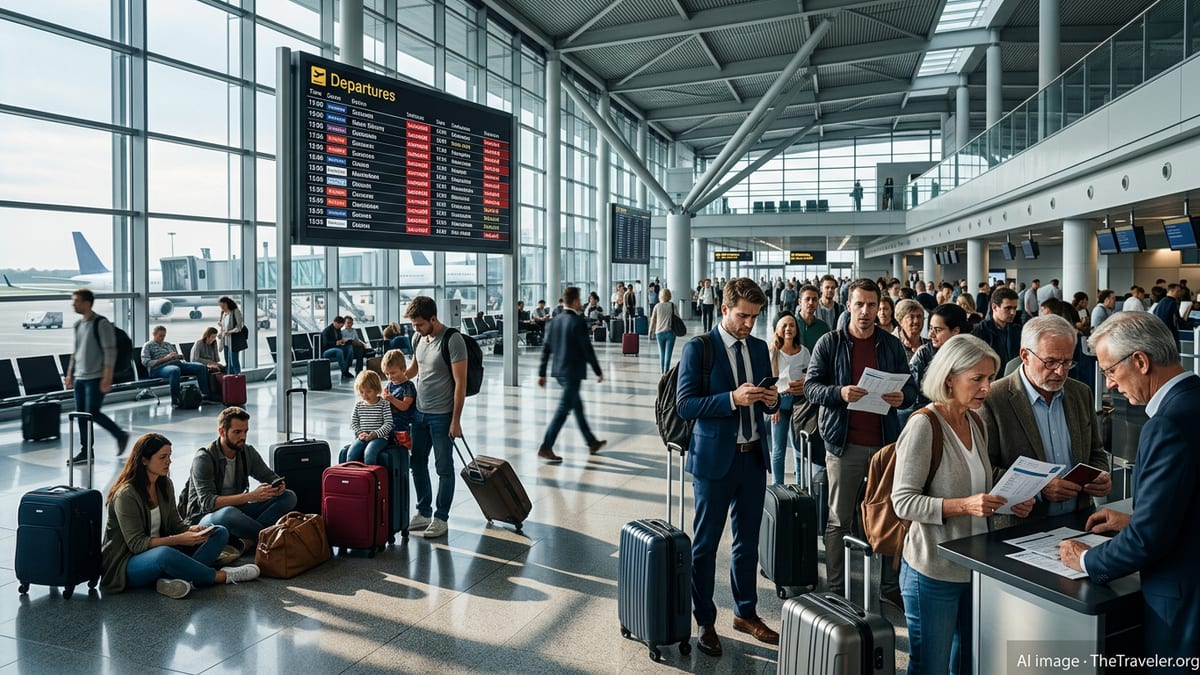
Ground handling disputes extend a turbulent summer
Industrial disputes involving ground handling staff at Spanish airports have continued into the main holiday season, with Palma de Mallorca among the busiest hubs exposed to potential disruption. Recent union announcements and local media coverage point to rolling stoppages affecting baggage handlers and ramp services on selected days, rather than a full shutdown of operations.
Palma is one of Spain’s primary leisure gateways, handling more than 30 million passengers a year in normal trading, and August traditionally brings the highest volumes of inbound tourists from the United Kingdom, Germany and other northern European markets. Any reduction in ground staff during this period can quickly translate into slower aircraft turnarounds, queues on the apron and longer waits for bags on arrival.
Reports from recent strike days suggest that the impact has varied by airline and time of travel. Some passengers arriving on affected dates have described relatively smooth journeys, while others reported spending more than an hour at baggage reclaim as handling teams worked through backlogs. Publicly available flight tracking data has also highlighted individual services with extended ground times and overnight delays linked to crew and handling availability.
Capacity constraints collide with peak holiday traffic
The industrial action comes on top of wider capacity pressures at Palma de Mallorca Airport. European aviation monitoring data for spring and early summer 2026 shows the airport experiencing frequent air traffic flow management regulations due to a combination of weather, high traffic levels and operational constraints, pushing up average delay minutes per flight compared with quieter months.
Passenger accounts from May and June highlighted fluctuating wait times at both security and border control, particularly when several large aircraft arrived close together. Some travellers reported moving through checks in under ten minutes, while others described long queues when automated gates were unavailable and manual passport inspection was required.
Air traffic control issues have also occasionally compounded congestion. In one recent incident, a breakdown in local air traffic technology was cited by a carrier as the reason for a flight turning back to Palma shortly after departure, illustrating how operational snags can ripple through already crowded schedules. With airlines running dense timetables in August, even short disruptions can quickly create knock‑on delays for subsequent rotations.
What travellers should expect in August
Based on published strike calendars and recent operational patterns, travellers can expect the highest risk of delays around selected days when ground handling stoppages are planned to coincide with peak weekend traffic. On these dates, baggage delivery and aircraft turnaround times are likely to be the most visible pressure points, even if check in and security remain reasonably fluid.
Passengers on low cost and leisure carriers that rely heavily on third party handling agents may experience longer waits than those flying with airlines that have their own staff or alternative contracts in place. However, the precise effect will depend on how many workers participate in each stoppage and whether minimum service levels are maintained, as is often mandated during transport strikes in Spain.
Industry data from previous summers indicates that Palma is particularly vulnerable to delay propagation because of its role as a turnaround hub for holiday flights. When one arrival is late in securing a stand or unloading bags, the same aircraft may depart behind schedule for its next leg, affecting passengers in both directions. In a busy August schedule, there is limited slack to absorb such shocks.
Practical steps to reduce the risk of disruption
For travellers who cannot change their plans, preparation will be key. Airline and airport guidance generally advises arriving well ahead of departure at peak times, and that recommendation is especially relevant while strikes remain on the calendar. Arriving earlier than usual for morning and mid day flights can provide a buffer if queues at bag drop or security are longer than expected.
Where possible, passengers are encouraged by consumer groups and travel advisers to travel with hand luggage only, reducing reliance on checked baggage services that are most exposed to ground handling stoppages. For those who must check bags, keeping essential items and one day of clothing in carry on luggage can mitigate the impact if suitcases are delayed in delivery.
Monitoring flight status via airline apps and airport information screens on the day of travel is also advisable. While not all delays will be directly attributed to strikes, patterns of late departures or extended ground times on specific carriers can offer an early indication of pressure points. Travellers with flexible tickets may then choose to move to alternative departures where this is permitted.
Travel advice for holidaymakers still booking Mallorca trips
Holidaymakers yet to finalise their August arrangements may want to consider flight timings and itineraries carefully. Evening or late night departures and arrivals can sometimes avoid the busiest peaks in terminal traffic, although this is not guaranteed, and some reports indicate that staffing levels can be thinner at off peak hours.
Booking direct services rather than connections where feasible can reduce exposure to compounded disruption if outbound flights depart late from Palma. For journeys that must involve a connection, longer layovers may provide a safety margin if the first leg is delayed by ground handling or congestion issues.
Travel insurers and consumer bodies advise checking policy terms for coverage relating to industrial action and airport disruption, as not all products treat strike related delays in the same way. Some policies may provide compensation for long waits or additional accommodation costs when flights are significantly delayed or rescheduled due to staffing disputes, while others exclude such events.