


More news on this day
Manchester Airport has been named the worst airport in the United Kingdom for flight delays, after new analysis of Civil Aviation Authority figures showed departures from the country’s third busiest hub ran nearly 20 minutes late on average last year.
Get the latest news straight to your inbox!
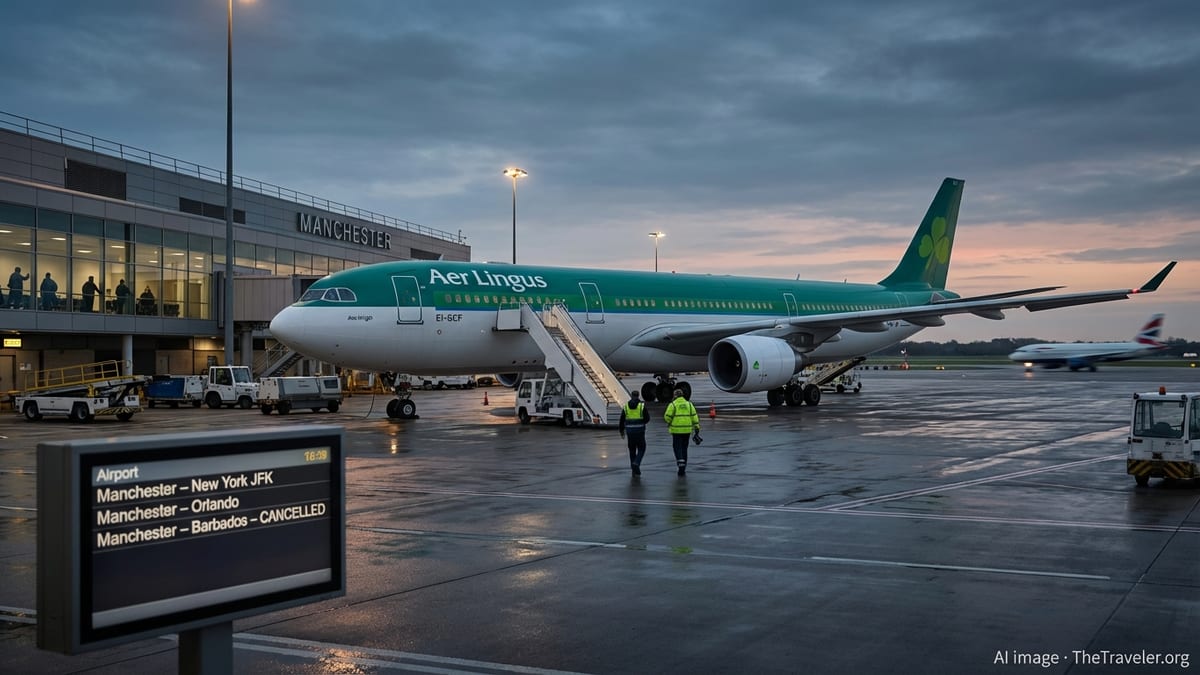
CAA data puts Manchester at bottom of punctuality league
Analysis of Civil Aviation Authority punctuality statistics for 2025 indicates that flights leaving Manchester Airport departed an average of about 19 and a half minutes behind schedule, the longest delay figure recorded among the country’s major airports. The figures, compiled from official performance data and examined by UK media outlets, underline a persistent punctuality problem at the north of England hub.
Published coverage of the data shows that Manchester’s average delay was notably worse than the UK-wide figure for all departing flights, which was just under 15 minutes. While that national average represented an overall improvement compared with 2024, Manchester’s performance placed it at the bottom of the table when ranked against other large airports.
The airport’s position in the latest analysis follows several years of similar findings. Consumer watchdogs and travel commentators have highlighted that Manchester has repeatedly appeared near or at the bottom of league tables for on-time performance, even as passenger numbers have recovered strongly since the pandemic.
Manchester is the third busiest airport in the UK by passenger traffic, behind Heathrow and Gatwick. That status means that delays at the northwest hub can affect millions of travellers each year, magnifying the impact of even relatively small increases in average waiting times at the gate or on the runway.
How Manchester compares with other UK airports
Punctuality rankings based on the latest CAA figures show a clear gap between Manchester and several rival airports that handle similar or greater numbers of passengers. Reports indicate that some regional airports recorded single-digit average delays in minutes, contrasting sharply with Manchester’s figure approaching 20 minutes per departure.
Other large English airports, including Birmingham and some London gateways, also recorded above-average delays, but still performed better than Manchester in the most recent comparison. Coverage of the data suggests that while congestion and knock-on disruption remain national issues, Manchester stands out for the scale and persistence of its punctuality problems.
The contrast is particularly striking when set against airports that have invested heavily in operational streamlining and passenger flow improvements. Industry analysis points to examples where targeted changes to security processing, stand allocation and ground handling have helped reduce average delay times, suggesting that local management decisions can have a measurable effect even when wider air traffic pressures remain.
Travel industry reporting has also noted that Manchester’s poor showing coincides with more positive narratives from some competing regional airports, which have promoted their relative reliability as a selling point to airlines and passengers. That competitive pressure may intensify if the punctuality gap remains wide going into future holiday seasons.
Why delays are persisting at the UK’s third busiest hub
Publicly available information points to a combination of structural and operational factors behind Manchester’s difficulties. As with other major hubs, the airport is exposed to air traffic control constraints, weather-related disruption and knock-on delays from inbound flights. These system-wide pressures can quickly accumulate at a busy airport with complex schedules and limited spare capacity at peak times.
Analysts note that Manchester’s role as a base for multiple leisure carriers, alongside full-service airlines and long-haul operations, may add to that complexity. High volumes of seasonal traffic, tight turnaround times and intense early-morning and evening peaks can leave little margin for recovery when something goes wrong, increasing the likelihood that short disruptions lead to longer queues and late departures.
Recent aviation trend reports have also pointed to ongoing challenges across the European network, including staffing shortages in some parts of the industry and airspace restrictions in congested corridors. While these issues are not unique to Manchester, they can be felt more acutely at airports that are already operating close to capacity, particularly during the busy summer months.
Consumer organisations have argued that passengers using airports with a record of frequent delays need particularly clear information about their rights when flights run late or are cancelled. Travel advice published around the latest CAA figures encourages passengers to factor punctuality records into their planning, especially when making tight onward connections or booking short breaks.
Impact on passengers and the wider travel market
The renewed focus on Manchester’s delay record comes at a time when UK leisure and business travel demand remains robust, with many travellers seeking value and convenience from regional airports. However, extended waiting times at departure gates and on aircraft can erode that advantage, particularly for passengers who have a choice of alternative airports within a reasonable distance.
Published coverage of the new rankings notes that some travellers have already begun to weigh punctuality alongside price when deciding whether to fly from Manchester or rival airports such as Liverpool John Lennon or Leeds Bradford, which serve overlapping catchment areas in the north of England. For airlines, persistent delays can mean additional costs and scheduling challenges, as well as potential reputational damage if customer frustration grows.
Industry commentators suggest that repeated appearances at the bottom of delay tables risk undermining efforts to position Manchester as a competitive international gateway for northern England. With significant investment planned in terminal infrastructure and passenger facilities, consistent operational performance is increasingly seen as a crucial factor in maintaining confidence among airlines, tour operators and travellers.
At the same time, national punctuality figures showing a modest improvement year-on-year indicate that better outcomes are achievable even within the constraints facing the wider aviation sector. That comparison is likely to increase scrutiny of how the worst-performing airports intend to close the gap.
What travellers can do when flying from Manchester
Travel advice based on the latest data encourages passengers using Manchester Airport to allow additional time for their journeys, particularly during peak holiday periods and early-morning departures. Arriving well ahead of the check-in deadline and building in contingency time for security queues and potential gate changes can help reduce stress if delays develop.
Consumer groups also highlight the importance of understanding airline obligations when flights are significantly delayed or cancelled. Under UK and European regulations, passengers on qualifying flights may be entitled to assistance, rebooking options or financial compensation, depending on the length and cause of the disruption. Guidance from consumer organisations recommends keeping records of departure and arrival times, as well as any communication from airlines, in case a claim is needed later.
For travellers with onward connections, published guidance suggests leaving generous buffers between flights, especially when itineraries are built using separate tickets. Where possible, choosing through-ticketed journeys on a single booking can offer greater protection if schedules unravel, although this may come at a higher upfront cost.
As the busy summer season approaches, the latest CAA figures and subsequent media analysis are likely to shape expectations for passengers planning to use Manchester. While many journeys will still operate broadly on time, the statistics underline that travellers using the airport face a higher-than-average risk of delay compared with other major UK gateways.