


More news on this day
Passengers using Manchester Airport today, July 6 2026, are facing disruption as a number of flights are delayed or cancelled, according to live operational data and airport updates.
Get the latest news straight to your inbox!
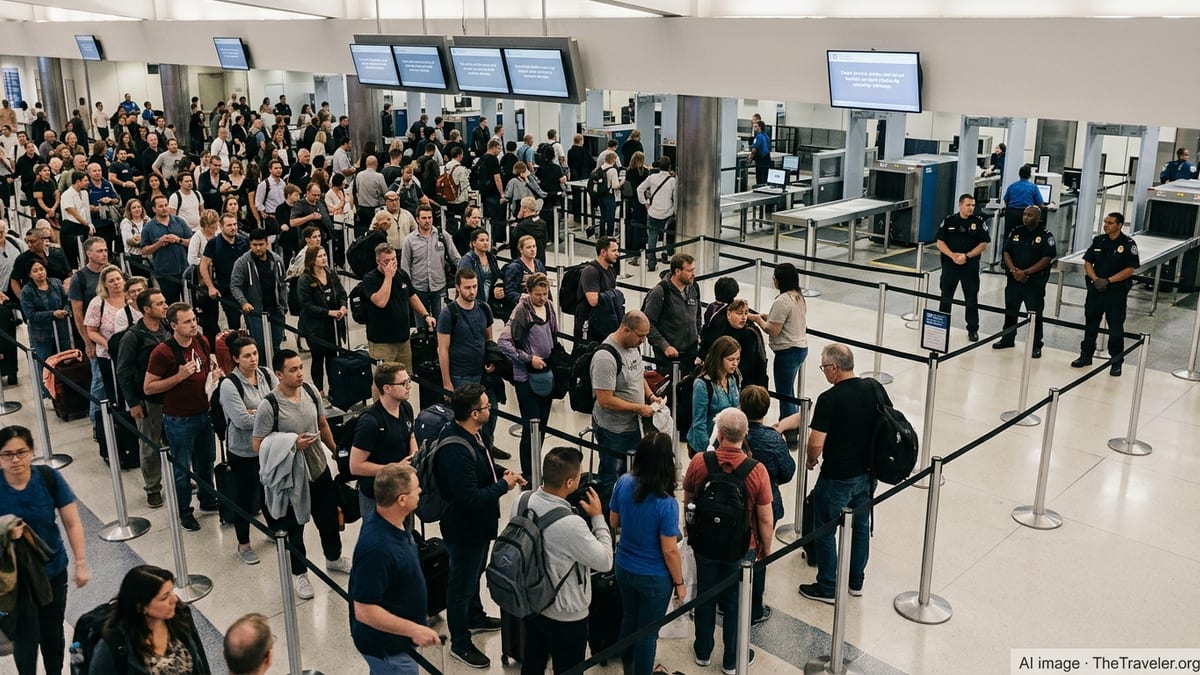
Current picture of disruption at Manchester Airport
Publicly available live flight boards and tracking services indicate that Manchester Airport is operating a busy summer schedule today, but with a noticeable cluster of delays and a smaller number of outright cancellations. The pattern reflects a mix of knock on effects from wider airspace issues and routine operational constraints such as late arriving aircraft and tight turnaround times.
Manchester Airport’s own travel information page states that a limited number of services have been cancelled or delayed due to airspace closures linked to the evolving situation in the Middle East, and it urges passengers to check directly with airlines before travelling to the terminal. That advisory remains in place alongside normal operational guidance covering parking, fast track access and lounge bookings.
Live schedule summaries from flight status platforms show several hundred services timetabled to operate today, with the vast majority running broadly to schedule. However, a significant proportion of flights are now marked as delayed, particularly in the early morning peak and late afternoon periods when runway and stand capacity are under the most pressure.
Real time disruption statistics from global tracking sites suggest that Manchester is not alone in experiencing a difficult day across Europe, but localised cancellations at the airport add an extra layer of uncertainty for travellers departing or arriving in the north west of England.
Departures: where delays and cancellations are concentrated
Departure boards at Manchester Airport show that delays are spread across a range of short haul European leisure routes and key hub connections. Hold ups of between 30 minutes and two hours are common on some early morning flights, often attributed in data feeds to the late arrival of inbound aircraft, crew rotation constraints, or residual congestion from earlier waves of traffic.
A smaller number of departures have been cancelled outright. These tend to include services that route through or near affected Middle Eastern airspace, as well as occasional point to point European flights where aircraft or crew have been displaced by earlier disruption. Airline notifications and tracking tools describe some of these cancellations as operational decisions designed to keep the wider schedule stable.
For passengers, the most immediate impact comes at security and departure gates, where rolling delay estimates can change at short notice. Live boards show revised departure times for multiple services across all three terminals, with some flights pushed back several times over the course of the morning. Travellers connecting onward via major hubs are being advised through airline channels to monitor minimum connection times closely and request rebooking where necessary.
Airlines generally continue to advise passengers to arrive at the airport on the usual schedule for their flight unless specifically informed of a cancellation. Check in desks for many services are remaining open to process customers even when delays extend beyond an hour, allowing baggage to be accepted and boarding passes to be issued while revised timings are confirmed.
Arrivals: knock on effects for inbound passengers
On the arrivals side, live feeds show a similar pattern of disruption, with numerous flights into Manchester running late and a small number cancelled. Inbound services from Mediterranean holiday destinations, European capitals and key long haul gateways are particularly exposed to upstream congestion, resulting in extended airborne holding, ground delays before departure from origin airports, or diversions to alternative fields in the most affected parts of the network.
For travellers landing in Manchester, these delays can translate into missed rail connections, extended waits at car parks and rebooked domestic transfers. The airport’s own guidance notes that passengers arriving on delayed flights who have pre booked on site parking can use the intercom at exit barriers to have charges adjusted, recognising that overrun stays are likely during periods of disruption.
Cancellations on inbound legs also have a secondary impact on the departure schedule, since aircraft that were due to operate return services from Manchester are no longer available. This is reflected in live data where some outbound cancellations are linked directly to inbound flights marked as cancelled earlier in the day.
Ground handling teams and border control services are adjusting staffing patterns to match the revised arrival profile. Periods of relative quiet when delayed flights are still en route are being followed by short bursts of heavy arrivals, leading to variable waiting times at passport control and baggage reclaim throughout the day.
Causes and wider context for today’s disruption
Operational data and airport advisories point to several overlapping factors behind today’s interruption to normal schedules. The most prominent is the continuing impact of airspace restrictions related to security concerns in parts of the Middle East, which has forced some airlines to reroute, extend flight times or suspend particular city pairs serving Manchester.
In addition, the early July holiday period means that aircraft and crews are working at high utilisation levels, with tight turnaround windows and limited margin for recovery when delays occur. Once a morning wave of flights encounters difficulties, the effect can ripple through the rest of the day’s programme, especially for carriers that run multiple rotations on popular leisure routes.
Manchester’s role as a major regional hub for both full service and low cost airlines adds another layer of complexity to disruption management. Airlines must balance the needs of point to point passengers, those on package holidays and customers connecting onward via partner networks, often making difficult decisions about whether to delay flights to protect connections or cancel individual sectors to stabilise the schedule.
Today’s pattern of delays at Manchester also sits within a wider European backdrop of intermittent air traffic control restrictions, weather affected operations in other parts of the continent and high overall traffic volumes. Industry data providers are reporting elevated cancellation and delay rates across multiple major airports, underscoring the interconnected nature of modern airline networks.
Advice for passengers flying through Manchester today
For anyone due to travel through Manchester Airport today, the consistent message across airport and airline channels is to stay closely informed and build extra time into journeys. Checking the live status of both the specific flight number and any inbound aircraft operating the route can give an early indication of potential delays or cancellations.
Passengers are also encouraged to make use of airline apps and notification services, which in many cases provide faster updates than departure boards within the terminal. Where flights are cancelled, digital tools are often the quickest route to securing rebooked travel or applying for refunds and vouchers, particularly at times when airport customer service desks are busy.
Those driving to the airport may wish to allow additional time for parking and terminal access, especially during the morning and late afternoon peaks when disrupted flights can cause congestion at drop off points. Travellers with pre booked parking are advised to review the terms of their booking and, where necessary, to contact providers to discuss extensions or changes if their return flight is heavily delayed.
Given the dynamic nature of today’s situation, conditions at Manchester Airport are likely to evolve throughout the day. Passengers with flexibility in their plans who have not yet begun their journey to the airport may find it helpful to review the latest departure and arrival information before setting out, particularly if they are travelling on routes that appear to be experiencing repeated delays or have already seen cancellations earlier in the schedule.