


More news on this day
Peak holiday travel at Martha’s Vineyard Airport turned into a day of uncertainty on July 4 as Tradewind Aviation, JetBlue, Cape Air and Republic-affiliated services scrubbed a dozen flights and posted rolling delays, disrupting key routes to White Plains, New York City, Philadelphia, Boston, Teterboro and other Northeast hubs.
Get the latest news straight to your inbox!
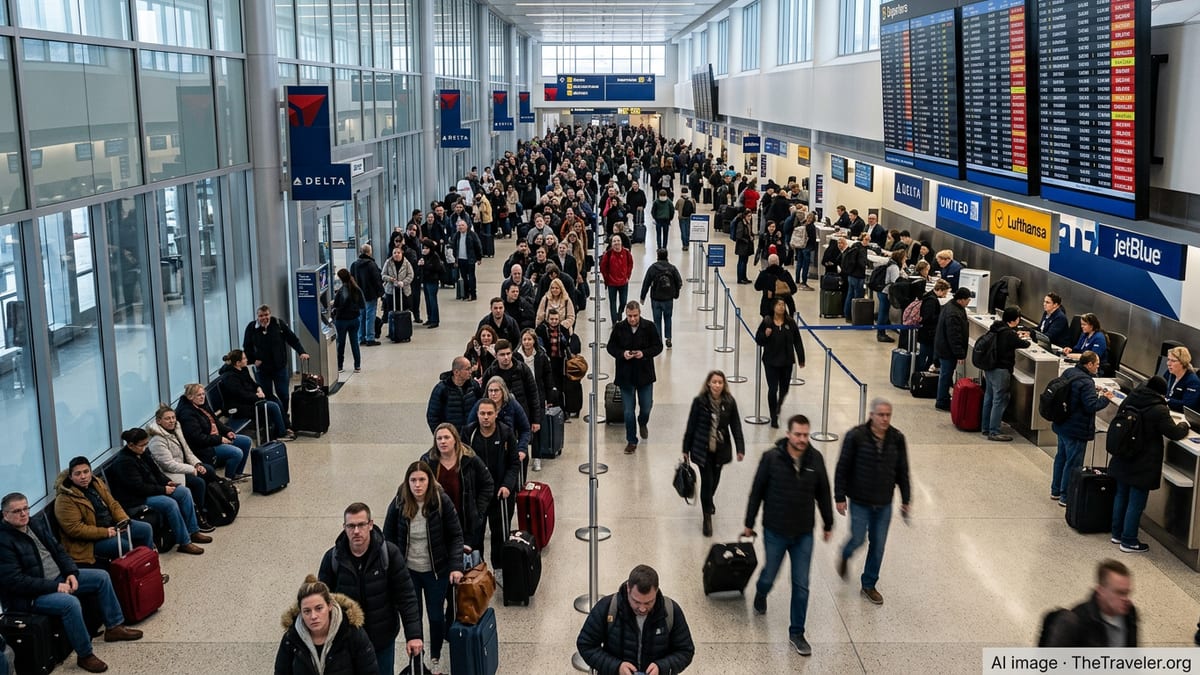
Fourth of July Rush Collides With Operational Turmoil
The early morning schedule at Martha’s Vineyard Airport appeared typical for a peak summer Saturday, with a mix of regional Cape Air services and seasonal mainline connections marketed by JetBlue and major carriers to Boston, New York and Washington. By mid-morning, publicly available trackers and schedule data showed a different picture, with a cluster of cancellations and growing knock-on delays affecting travelers trying to depart the island.
Reports indicate at least 12 flights involving Tradewind Aviation, JetBlue-branded services operated by partners, Cape Air and Republic-operated regional jets were either cancelled outright or significantly delayed. The disruptions touched some of Martha’s Vineyard’s most in-demand holiday corridors, including White Plains in Westchester County, New York City’s Boston-linked network, Philadelphia and business aviation gateways such as Teterboro.
Passengers bound for mainland connections faced extended waits in the small terminal and, in many cases, the prospect of rebooking on already crowded holiday-weekend services. With aircraft and crews tightly scheduled during the short high season, a handful of early cancellations quickly cascaded across the midday and afternoon bank of flights.
Publicly available information on the airport’s website framed the situation against a broader pattern of summer irregular operations, noting that weather accounts for the majority of delays nationwide and urging travelers to work directly with their airline for alternative arrangements.
Key Routes to White Plains, New York City and Philadelphia Disrupted
The Vineyard’s seasonal links to Westchester County and the New York metropolitan area were among the hardest hit. Real-time schedule data showed multiple Tradewind Aviation and Cape Air departures between Martha’s Vineyard and White Plains either delayed or cancelled, affecting both leisure travelers headed to the northern suburbs and island residents connecting onward via Westchester’s growing network of domestic routes.
Tradewind’s niche shuttles, which also tie Teterboro and Bedford/Hanscom to Martha’s Vineyard using smaller aircraft and private-terminal facilities, experienced their own irregularities. Previously operating on a tightly timed peak-season schedule, several of these flights saw status changes from on-time to delayed before later being scrubbed, reducing options for travelers who rely on private or semi-private services to avoid larger commercial terminals.
New York City’s broader catchment area also felt the impact through regional services feeding into LaGuardia and JFK under major-carrier brands. JetBlue-marketed flights operated by Cape Air between the Vineyard and Boston, often used as a short hop into the larger JetBlue network, ran behind schedule and in some cases were paired with schedule changes further up the line, complicating same-day connections.
Philadelphia-bound passengers on regional jets flown by Republic on behalf of a major carrier similarly encountered cancellations and extended delays, shrinking the number of same-day options between the island and one of the Mid-Atlantic’s key hubs on a major holiday.
Delayed Departures, Scrapped Flights and Limited Alternatives
Across the board, travelers faced a mix of scenarios: outright cancellations for some services, rolling departure-time revisions for others, and a patchwork of operational statuses such as “unknown” or “pending” on public trackers. Several Tradewind flights linking Martha’s Vineyard with Teterboro and Bedford were listed as cancelled or operating with substantial schedule changes, while White Plains services showed significant delays compared with published timetables.
JetBlue-coded flights operated by Cape Air to Boston saw departure times pushed back in stages, reflecting the sensitivity of short-haul island operations to aircraft availability, crew duty limits and upstream delays elsewhere in the network. For Cape Air’s own Vineyard services, the combination of tight turnarounds and a fleet already stretched for the holiday weekend left little slack to absorb disruptions.
Republic’s regional jets, which support branded services to Washington and Philadelphia, also saw cancellations and late operations, narrowing the window for passengers attempting to connect to longer-haul flights from those hubs. With most flights into and out of the Vineyard sold heavily during the July 4 period, rebooking often required accepting departures on later days rather than same-day alternatives.
The limited capacity of the island’s air network meant ferries and other surface transport options were of limited help for those needing to reach specific airports in time for onward flights. Travelers who did manage to rebook frequently faced multi-leg routings via alternate cities, adding both cost and travel time to what are typically quick hops of less than 90 minutes.
Weather, Network Strain and Seasonal Vulnerabilities
While the precise combination of factors behind each individual cancellation varied, the disruptions highlighted how exposed Martha’s Vineyard’s air links are to seasonal pressure. Publicly available information from aviation authorities emphasizes that adverse weather is responsible for the majority of delays in the national airspace system, and island airports are particularly vulnerable when thunderstorms, low visibility or strong winds coincide with peak travel days.
At the same time, operational data and recent schedule changes across several carriers point to a broader pattern of strain in the regional airline sector. Cape Air, Republic and other operators serving the Vineyard run tight summer schedules with limited spare aircraft and crew, meaning that a mechanical issue or ground hold in one city can quickly ripple outward to island routes hours later.
JetBlue’s broader network has also seen a series of high-profile delays and cancellations in recent months, according to widely shared passenger accounts and network statistics, leaving little margin when seasonal weather and congested Northeast airspace coincide. On days like July 4, when demand is strong and most flights depart close to full, the knock-on effects of a single disruption can multiply rapidly.
Tradewind’s expansion of premium shuttle services in the Northeast has added capacity on routes such as Boston, White Plains and Bedford to Martha’s Vineyard, but these flights operate with smaller aircraft and highly tailored schedules. When even a few of them are cancelled or heavily delayed, the impact on travelers used to a more predictable private-aviation experience can be pronounced.
Stranded Holiday Travelers Face Rebooking Hurdles
For passengers on the ground at Martha’s Vineyard Airport, the operational nuances across carriers and their partners translated into long lines at check-in counters and customer-service desks. With phone and online channels also busy due to wider regional disruptions, some travelers reported relying on multiple methods at once to secure new itineraries, from mobile apps and websites to in-person assistance.
Publicly available guidance from airlines encourages affected passengers to monitor their flight status frequently, opt in to text and email alerts, and, when cancellations occur, use digital self-service tools wherever possible to avoid waiting in queues. However, on high-demand holidays when alternative flights are scarce, many travelers still end up seeking personalized help to navigate complex rebookings that may involve different airports or carriers.
For island businesses and tourism operators, the July 4 disruptions served as an unwelcome reminder of how dependent the Vineyard’s economy is on a small set of seasonal air corridors. Missed hotel check-ins, delayed vacation rentals and scrapped weekend plans all ripple through the local economy when air service falters, particularly on one of the most lucrative weekends of the year.
As airlines and the airport review the day’s events, industry observers note that similar patterns of clustered cancellations and delays are likely to recur throughout the summer peak whenever storms, tight regional capacity and stretched airline resources intersect, leaving travelers wise to build extra flexibility into plans involving Martha’s Vineyard and other island destinations.