


More news on this day
A fresh wave of disruption has rippled across the United States air travel network, with more than two thousand flights delayed or canceled on Sunday and major carriers Delta Air Lines, American Airlines, and United Airlines experiencing widespread operational strain at key hubs in Los Angeles, Atlanta, and Seattle.
Get the latest news straight to your inbox!
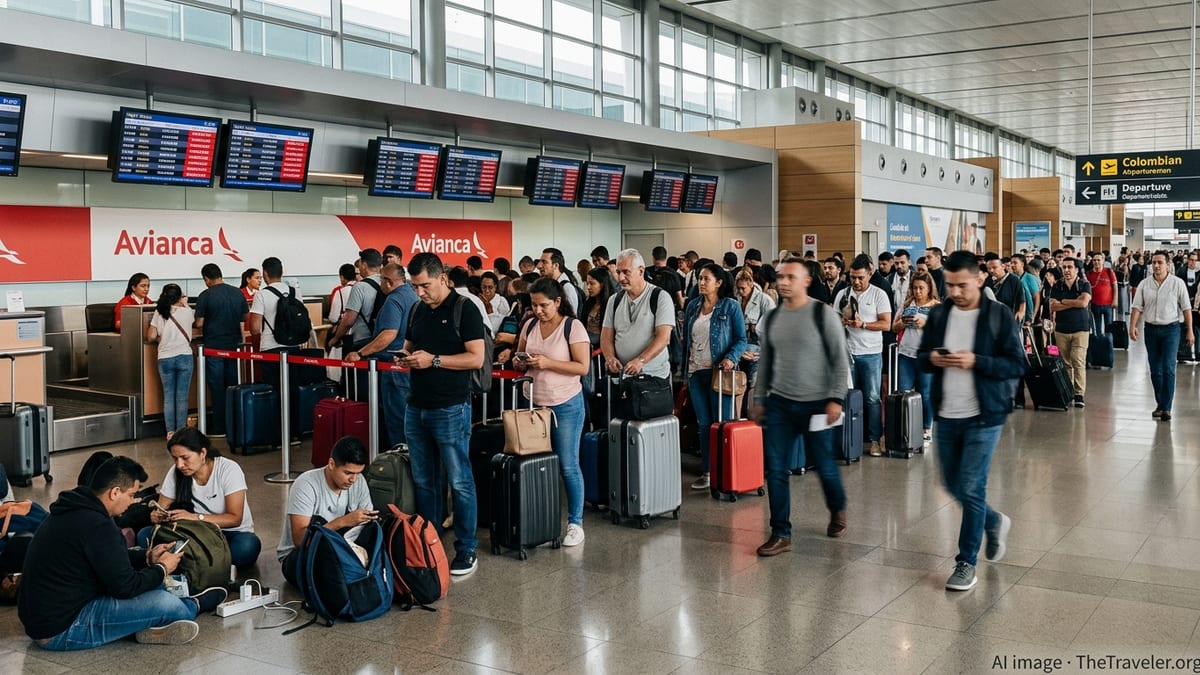
Systemwide Disruptions Hit Major US Hubs
Tracking data from multiple flight monitoring platforms shows that over 2,100 flights across the United States were delayed or canceled, creating long lines, missed connections, and rolling schedule changes for travelers. The heaviest disruption has been concentrated at Los Angeles International Airport, Hartsfield-Jackson Atlanta International Airport, and Seattle-Tacoma International Airport, three of the country’s most important domestic and international hubs.
Publicly available information indicates that Delta Air Lines, American Airlines, and United Airlines were among the hardest-hit carriers, with dozens of departures and arrivals either scrubbed or significantly delayed at these airports. Secondary knock-on effects were reported across their wider networks, as aircraft and crew were left out of position for later flights.
Operational data suggests that the cancellations and delays have affected both early-morning and peak afternoon banks, intensifying congestion throughout the day. With these three airports serving as major connecting points between the East and West Coasts, the disruption quickly took on a coast-to-coast dimension as delays propagated through connecting hubs such as Dallas-Fort Worth, Chicago, Denver, and New York.
Some routes between Los Angeles, Atlanta, and Seattle that normally see a high volume of daily departures experienced multiple disrupted frequencies, leaving limited same-day alternatives for stranded passengers and heightening pressure on remaining services.
Weather, Congestion, and Operational Strain Combine
Recent weeks have already seen pockets of travel turmoil caused by spring weather systems and capacity constraints at busy airports. Reports from aviation analytics sites and traveler advocacy organizations point to a familiar mix of contributing factors in the latest disruption, including localized weather issues, tight aircraft utilization schedules, and staffing limitations in both airline operations and ground handling services.
Data compiled from prior disruption events this season indicates that when storms or low-visibility conditions strike high-traffic hubs such as Atlanta or Los Angeles, airlines often initiate preemptive cancellations to avoid gridlock. This strategy can help reduce cascading delays but also leaves thousands of passengers in need of new itineraries, hotel stays, and meal arrangements.
Industry analyses of recent months emphasize that the US aviation system is operating with relatively little slack. High load factors, busy peak schedules, and sustained demand have meant that a disruption at one or two major airports can quickly reverberate nationwide. When multiple hubs such as Los Angeles, Atlanta, and Seattle are simultaneously affected, available recovery options shrink rapidly.
Observers note that this latest wave of cancellations and delays fits into a broader pattern of frequent but unpredictable disruption days, in which no single catastrophic event occurs but a combination of smaller problems accumulates into large-scale chaos for travelers.
Delta, American, and United Face Network-Wide Challenges
Delta Air Lines, which maintains its largest hub in Atlanta and significant operations in both Los Angeles and Seattle, appears to have experienced notable disruption across its domestic network. Published coverage of Delta’s performance over recent months highlights how concentrated operations at its core hubs can magnify the impact of local issues, especially when aircraft rotations are tightly scheduled throughout the day.
American Airlines and United Airlines have also contended with mounting schedule pressures. Both carriers operate large connecting banks through Los Angeles and feed numerous transcontinental routes that rely on precise timing to maintain connections. When flights fall out of schedule at one coastal gateway, the effects can ripple into mid-continent hubs and onward to the opposite coast.
Analysts tracking airline performance state that while newer technology and improved planning tools have helped airlines recover more quickly from disruptions than in past decades, the core vulnerabilities remain. Highly interconnected networks mean that even modest levels of cancellation or delay at a handful of major airports can result in hundreds of affected flights and tens of thousands of inconvenienced passengers.
In this latest episode, operational data suggests that some carriers attempted to consolidate lightly booked flights, reroute aircraft, and redeploy crews to restore schedules. However, recovery can take several cycles, leaving passengers facing rolling rebookings and evolving departure times.
Passengers Confront Long Lines and Limited Options
As cancellations and delays mounted, travelers across the country reported extensive queues at ticket counters, gate podiums, and customer service desks. According to information compiled by consumer travel platforms, many passengers encountered multi-hour waits to speak with airline staff, while digital self-service tools and mobile apps came under heavy load.
For those departing from or connecting through Los Angeles, Atlanta, and Seattle, available same-day rebooking options quickly narrowed as later flights filled. Some travelers were rebooked onto red-eye services or routed through less direct connections, while others faced overnight stays as airlines worked to reposition aircraft and crews.
Travel industry analyses stress that passengers affected by these disruptions should retain boarding passes, booking confirmations, and receipts for any additional expenses, as these may be useful when seeking vouchers or reimbursement under airline policies. Guidance from passenger rights organizations notes that compensation eligibility can depend on whether delays stem from weather, air traffic control restrictions, or airline-controlled operational problems.
Families traveling with children, elderly passengers, and those on tight schedules for events or international connections were among the most heavily impacted groups, based on anecdotal accounts gathered by travel forums and consumer advocacy sites.
What Travelers Can Expect in the Coming Days
Aviation analysts suggest that while the worst of the immediate disruption may ease as schedules stabilize, residual effects are likely to continue into the next operational day, particularly on routes that depend on aircraft cycling in from the most affected hubs. Travelers with upcoming departures from Los Angeles, Atlanta, Seattle, or other major hubs are being advised by public-facing travel resources to monitor their flight status frequently and to consider arriving at the airport earlier than usual.
Historical disruption patterns compiled by scheduling experts show that recovery days can still feature elevated levels of delay, even after cancellation numbers begin to drop, as airlines work through backlogs of displaced passengers and reposition aircraft to where they are needed.
Some industry commentaries indicate that airlines may adjust short-term schedules, including trimming select frequencies or adjusting departure times, to rebuild reliability. Passengers booked on tight connections or last flights of the day may wish to explore more robust alternatives where possible, in case irregular operations continue.
With the summer travel season approaching and demand projected to remain strong, observers expect further periods of strain on the US air transport system. The latest coast-to-coast wave of flight cancellations and delays highlights how quickly normal operations can unravel when multiple major hubs are hit at once, leaving travelers with little choice but to plan defensively and stay informed.