


More news on this day
Hundreds of passengers were left stranded on July 1, 2026, as widespread disruptions at Pulkovo Airport in St. Petersburg and Sheremetyevo International Airport in Moscow delayed 159 flights and led to 26 cancellations, snarling operations for Aeroflot, Rossiya Airlines, Pobeda, S7 Airlines, Ural Airlines and other carriers across Russia’s already strained aviation network.
Get the latest news straight to your inbox!
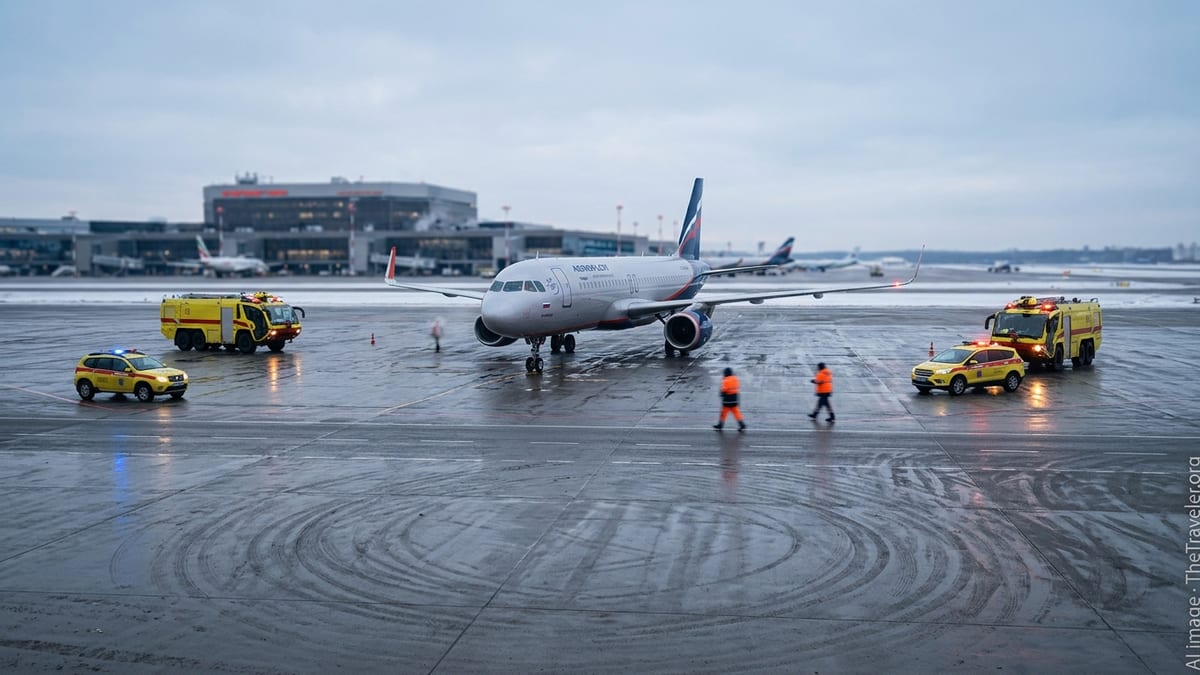
Major Hubs Hit by Wave of Delays and Cancellations
Reports from live flight-tracking services and Russian-language media indicate that the disruption unfolded through the morning and early afternoon, with departures and arrivals backing up at both Pulkovo and Sheremetyevo. Dozens of services showed extended delays, while a smaller but significant number were marked canceled, leaving aircraft and passengers out of position across the domestic network.
The operational strain was visible across a broad mix of domestic and regional routes. Flights between Moscow and St. Petersburg, as well as services to key leisure destinations such as Sochi and southern resort cities, were among those affected, disrupting both business travel and peak summer holiday traffic. The situation compounded recent congestion that has periodically hit Russia’s largest airports during heightened security alerts and temporary airspace closures.
Publicly available information shows that the impact extended beyond any single airline or terminal. Sheremetyevo, traditionally the primary hub for Aeroflot and its partners, saw knock-on delays spread across multiple piers and terminals, while Pulkovo’s compact layout magnified crowding in security queues, boarding areas and baggage halls as schedules slipped further behind.
Flagship and Low-Cost Carriers Entangled in the Disruption
The day’s turmoil hit the country’s largest airline groups particularly hard. Aeroflot services at Sheremetyevo, including high-frequency shuttles to St. Petersburg, registered rolling delays, and, according to flight-status boards tracked in real time, several departures were canceled outright. Subsidiaries Rossiya Airlines and low-cost unit Pobeda also showed clusters of delayed and canceled services as the backlog grew.
Separate monitoring of departure boards from St. Petersburg pointed to Rossiya flights bearing the brunt of some schedule changes at Pulkovo, where the carrier maintains a significant network of domestic routes. Summer timetables list dozens of destinations from the airport, meaning even limited cancellations can quickly ripple out to regional cities as aircraft and crews fall out of sync with their rotations.
Other major players, including S7 Airlines and Ural Airlines, were drawn into the disruption as shared infrastructure and airspace constraints in the Moscow–St. Petersburg corridor slowed operations. Industry-focused outlets have recently highlighted that these carriers, which rely heavily on narrow-body fleets for domestic links, are already contending with a reduced number of available aircraft due to prolonged maintenance and parts shortages, leaving little spare capacity to recover from a sudden spike in delays.
Underlying Strains in a Sanctions-Hit Aviation System
The latest problems come against a backdrop of mounting structural pressure on Russia’s civil aviation sector. Recent analytical coverage of the market notes that a notable share of aircraft operated by leading Russian airlines is temporarily grounded for maintenance, a trend linked to difficulties sourcing spare parts and performing complex overhauls under international sanctions.
When such groundings coincide with peak demand periods, relatively minor disruptions can escalate quickly. With fewer backup aircraft and tighter crew rosters, carriers have less flexibility to swap equipment or add recovery flights, so a cluster of delayed departures at a hub like Sheremetyevo can cascade across the network, forcing downstream delays and select cancellations at airports such as Pulkovo.
Observers also connect the current disruption to a pattern of recent interruptions at Moscow-area airports. Over the past several weeks, drone attacks and related security measures have triggered temporary suspensions of flight operations, leading to mass delays and diversions. While the latest episode at Pulkovo and Sheremetyevo appears primarily operational rather than directly linked to an airspace shutdown, it unfolds in an environment where airlines and airports are still recalibrating complex schedules after repeated shocks.
Passenger Experience: Crowded Terminals and Limited Options
Accounts shared on social platforms and in local coverage describe crowded departure halls in both St. Petersburg and Moscow, with passengers queuing at airline counters and self-service kiosks for rebooking. Families traveling at the start of the summer holidays, as well as business travelers bound for regional centers, faced waits of several hours as they sought alternative flights or routing options.
At Pulkovo, where boarding infrastructure is more limited than at Moscow’s largest hubs, even modest bunching of aircraft on the apron can cause visible bottlenecks. Past incidents at the airport have highlighted how a shortage of boarding stairs and buses can trap passengers on board parked aircraft for extended periods when arrivals bank up faster than the terminal can process them.
Travel advocates note that, under standard practice, passengers whose flights are significantly delayed or canceled may be entitled to assistance such as refreshments, accommodation and rebooking, depending on the carrier’s policies and the terms of the ticket. However, in Russia’s current operating environment, where many disruptions are linked to security events or broader geopolitical factors, travelers frequently face complex assessments over whether compensation is available or if the disruption is treated as beyond the airline’s control.
What Travelers Can Do If Headed Through Moscow or St. Petersburg
For passengers scheduled to transit through Pulkovo or Sheremetyevo in the coming hours, travel specialists recommend closely monitoring flight status via airline apps and airport information boards before leaving for the airport. Given the scale of delays, some flights may return to normal timings while others slip further, and last-minute gate changes are common when airports work through a backlog.
Those with tight connections in Moscow, especially on separate tickets or different airlines, face the highest risk of missed onward flights. Industry guidance suggests building in extra buffer time between domestic and international sectors and, where possible, consolidating itineraries under a single booking so that missed connections are handled as part of one contract of carriage.
Travel planners also advise keeping digital and printed copies of booking confirmations, boarding passes and receipts for any meals or emergency accommodation in case reimbursement is later offered. While the regulatory framework for passenger rights in Russia differs from that in the European Union or other markets, documentation can be essential if airlines provide goodwill vouchers or partial refunds after major operational disruptions.