


More news on this day
Rome’s Leonardo da Vinci–Fiumicino Airport is at the center of a fresh wave of operational disruption in Italy, with publicly available tracking data indicating 266 delayed flights and four cancellations rippling across Rome, Milan, Naples, Florence and other major cities, affecting services on KLM, ITA Airways, easyJet, Wizz Air and a wide range of European and domestic carriers.
Get the latest news straight to your inbox!
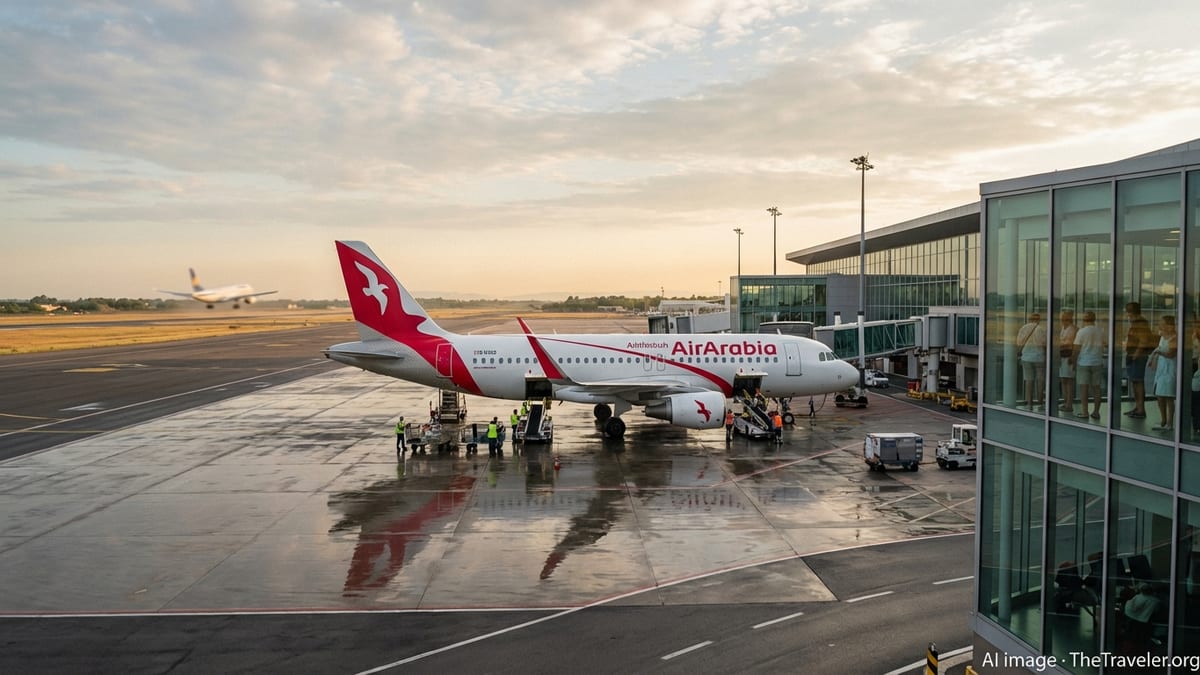
Rome Fiumicino Bears the Brunt of New Disruption Wave
The latest turmoil places Rome’s Leonardo da Vinci–Fiumicino, Italy’s busiest international gateway and primary hub for ITA Airways, under particular strain. Flight-status dashboards and aviation analytics platforms show a dense cluster of late departures and arrivals at the airport, with knock-on delays spreading to secondary hubs and regional fields across the peninsula.
Operational data published in recent days highlights Rome’s central role in Italy’s air network, where congestion or schedule slippage at Fiumicino can quickly cascade into delays on domestic connections to cities such as Naples, Florence and Venice, as well as on cross-border routes to Amsterdam, Paris and other European hubs. Routes served by ITA Airways, low-cost operators including Wizz Air and easyJet, and legacy partners such as KLM are all exposed when the airport’s tightly timed wave structure breaks down.
While day-to-day delay levels at Fiumicino typically track in line with other busy European hubs, Italy has repeatedly emerged as a disruption hot spot over recent seasons. Industry briefings and earlier reporting on Italian airport performance point to a combination of heavy seasonal traffic, periodic industrial action, and limited flexibility in ground-handling and air traffic management capacity, leaving the system vulnerable when multiple stress factors coincide.
Knock-on Effects Across Milan, Naples, Florence and Regional Hubs
The impact of the latest disruption is not confined to Rome. Publicly available flight-tracking snapshots for the affected period indicate significant schedule pressure in Milan’s dual-airport system, particularly at Malpensa, where long-haul and low-cost operations intersect. Late inbound aircraft from Rome and other Italian points have translated into rolling departure delays, magnifying the tally that contributes to the reported 266 affected flights.
In southern Italy, Naples Capodichino appears among the most exposed airports when Rome’s airspace or control sectors experience irregular operations. Previous strike-related analyses have already underscored how traffic management constraints in the Rome area can slow flows into Naples and surrounding regions, and the latest figures suggest a similar pattern, with delayed arrivals from Rome and northern Italy feeding secondary delays on outbound services.
Florence, with its shorter runway and weather-sensitive approach patterns, has also registered late-running flights linked to the broader disruption picture. Aircraft arriving from Fiumicino or Milan under constrained slot conditions have less margin to absorb additional holding or ground delays, resulting in compressed turnaround windows and further schedule drift. Smaller regional airports, including those in central and northern Italy, are seeing isolated late departures where aircraft and crews are positioned out of sequence by events at the main hubs.
Multiple Airlines Caught in Network-Wide Squeeze
The cross-airline nature of the disruption is evident in operational summaries and recent coverage of Italy’s air travel performance. ITA Airways, which relies heavily on Rome Fiumicino as its primary hub, faces particular exposure when irregular operations emerge, as missed connections and aircraft-rotation challenges translate into delays that ripple across both domestic and international routes.
Low-cost carriers such as easyJet and Wizz Air, which operate dense point-to-point networks into Rome, Milan and Naples, are likewise affected when slot reductions, air traffic control constraints or congested ground operations slow the flow of departures. Their tight aircraft utilization models leave limited slack to recover from late-inbound aircraft, so a small number of early disruptions can quickly compound into a wide set of delayed flights by mid-day.
KLM and other network carriers feeding traffic into Italian hubs from Amsterdam and additional European gateways can encounter further complications when Italian airports impose temporary ground-delay programs or when en-route sectors over the peninsula become constrained. Aviation-focused sites tracking recent disruption trends note that Italy’s concentration of traffic through a handful of major hubs increases the risk that a localized problem can spread across airline networks serving multiple countries.
Industrial Action, Infrastructure Works and Seasonal Demand as Key Drivers
Recent history across Italy’s aviation sector provides context for the current spike in disruption. In the weeks leading up to the latest figures, air traffic control and airport staff strikes were announced for select dates, with public advisories predicting ground delays, partial cancellations and flow restrictions affecting Rome and Naples airspace. Separate industrial action involving low-cost carrier crews, including events linked to easyJet and other operators, has periodically compounded these effects.
Infrastructure constraints are adding another layer of complexity. Notices circulated by Rome Fiumicino have flagged rail maintenance works affecting key train links to and from the airport, signaling that even when flights operate, passenger journeys can still be disrupted on the ground. Similar capacity limitations at terminal and ramp level, particularly during morning and evening peaks, make it harder for airports to absorb irregular operations without measurable impacts on punctuality.
Seasonal demand is also building as Italy approaches the height of its summer travel period. Earlier coverage on Italian airport performance this year has already documented days with more than 200 delays and a double-digit number of cancellations concentrated at Rome and Milan. The new figure of 266 delayed flights and four cancellations appears to fit within a broader pattern of elevated strain on the country’s aviation infrastructure as traffic rebounds and carriers push to operate fuller schedules.
What Travelers Are Experiencing and How to Navigate Disruptions
For passengers on the ground, the statistics translate into long queues at check-in and security, crowded departure lounges and boards dominated by amber and red delay indicators. Travel blogs and passenger-rights platforms tracking the situation in Italy report a mix of moderate delays of 30 to 60 minutes and more severe disruptions stretching beyond two hours, with some travelers facing missed connections and unplanned overnight stays.
Public guidance from consumer organizations and air-travel advisory sites emphasizes the importance of monitoring flight status across multiple channels, including airline apps and independent tracking tools, particularly when flying into or out of Rome Fiumicino, Milan Malpensa, Naples or Florence on days when disruptions are more likely. Travelers are also encouraged to build additional buffer time into itineraries involving rail transfers to and from airports, in light of ongoing maintenance and periodic service reductions on some routes.
Specialist commentary on European aviation highlights that, under certain conditions, long delays and cancellations departing from Italian airports may trigger passenger entitlements under regional regulations, including assistance at the airport and, in some cases, financial compensation. However, the applicability of these rules depends on factors such as the cause of disruption, the operating carrier and the length of delay, and travelers are being advised to review the specific terms relevant to their flights rather than relying on general assumptions.
With Italy firmly on the map as a potential disruption hotspot for the current travel season, the latest wave of 266 delays and four cancellations underscores how quickly operational pressure at Rome’s Leonardo da Vinci airport can spill over into the wider network. For airlines and passengers alike, the episode serves as another reminder that even in a largely recovered market, the margin between routine operations and widespread travel chaos remains narrow.