


More news on this day
Travellers across Japan faced a day of rolling disruption as at least 18 flights were cancelled and 247 delayed, with services on JAL, ANA, Peach, Skymark, Air Do and other domestic carriers affected at airports from Aomori in the north to Kagoshima and Naha in the south.
Get the latest news straight to your inbox!
Storm System Compounds Existing Operational Strain
Publicly available weather briefings and aviation data indicate that the latest wave of disruption is linked to a tropical system that has been tracking along Japan’s Pacific coast in early June, brushing major population centres and key aviation corridors. The system, previously designated as Tropical Storm No. 6, passed close to Kyushu and the Ryukyu Islands before weakening, but its broad wind and rain field has still proved enough to unsettle flight schedules.
Regional hubs such as Kagoshima and Naha have been particularly exposed, with airlines adjusting operations as gusty crosswinds and heavy showers periodically reduced visibility and complicated approach and departure windows. These airports handle a dense mix of trunk domestic routes and short regional hops, so even modest traffic restrictions translated into knock-on delays across the network.
Operational adjustments also followed earlier volcanic and seasonal weather concerns in southern Japan, including ash emissions from Sakurajima near Kagoshima and the start of the rainy season. While not every disruption can be directly tied to a single weather event, the combination of unstable conditions over several days has left carriers managing tight aircraft rotations and reassigning crews.
Nationwide Impact From Aomori To Okinawa
The latest counts of 18 cancellations and 247 delays span a broad list of airports, illustrating how sensitive Japan’s tightly scheduled domestic market is to regional weather shocks. In the north, New Chitose near Sapporo and Aomori Airport reported delays that rippled into major Tokyo and Osaka connections, affecting both business travellers and tourists heading to and from Hokkaido and the Tohoku region.
Further south, Kagoshima and Naha registered some of the most visible impacts as the storm skirted Kyushu and Okinawa. Flight-tracking boards and airline status pages showed delayed departures to and from key cities such as Tokyo, Osaka and Fukuoka, alongside scattered cancellations on thinner regional routes where spare aircraft and crews are harder to redeploy at short notice.
In central Japan, Osaka Itami, an important domestic hub for the Kansai region, also saw schedule adjustments. Delays on flights into weather-affected airports forced revised departure times on subsequent sectors, contributing to congestion that extended into the evening wave of departures. For travellers, this translated into longer waits on the ground and shifting connection times, even at airports far from the storm’s immediate path.
Major Carriers And Low-Cost Airlines Adjust Schedules
Japan Airlines (JAL) and All Nippon Airways (ANA), which together operate a significant share of domestic capacity, were among the most affected as they juggled high-frequency routes linking Tokyo, Osaka, Sapporo, Fukuoka and Okinawa. Publicly available flight-status tools showed a mix of short, rolling delays and a smaller number of outright cancellations where weather or crew duty limits left little operational flexibility.
Low-cost carriers such as Peach Aviation and regional-focused airlines including Skymark and Air Do also adjusted services. Their networks are often concentrated on specific corridors, for example linking Osaka or Nagoya with New Chitose and Naha, meaning that disruption at one end of a route can quickly cascade through the rest of the day’s schedule. For passengers, the impact on these carriers is particularly acute because alternative same-day flights may be more limited than on the larger full-service airlines.
Flight information pages published by the airlines outlined standard options for affected travellers, including rebooking on later services where seats were available or applying for refunds on cancelled segments. In many cases, carriers also encouraged the use of online tools for issuing delay or cancellation certificates, which are commonly requested for travel insurance claims or corporate expense reports.
Travellers Stranded And Itineraries Rewritten
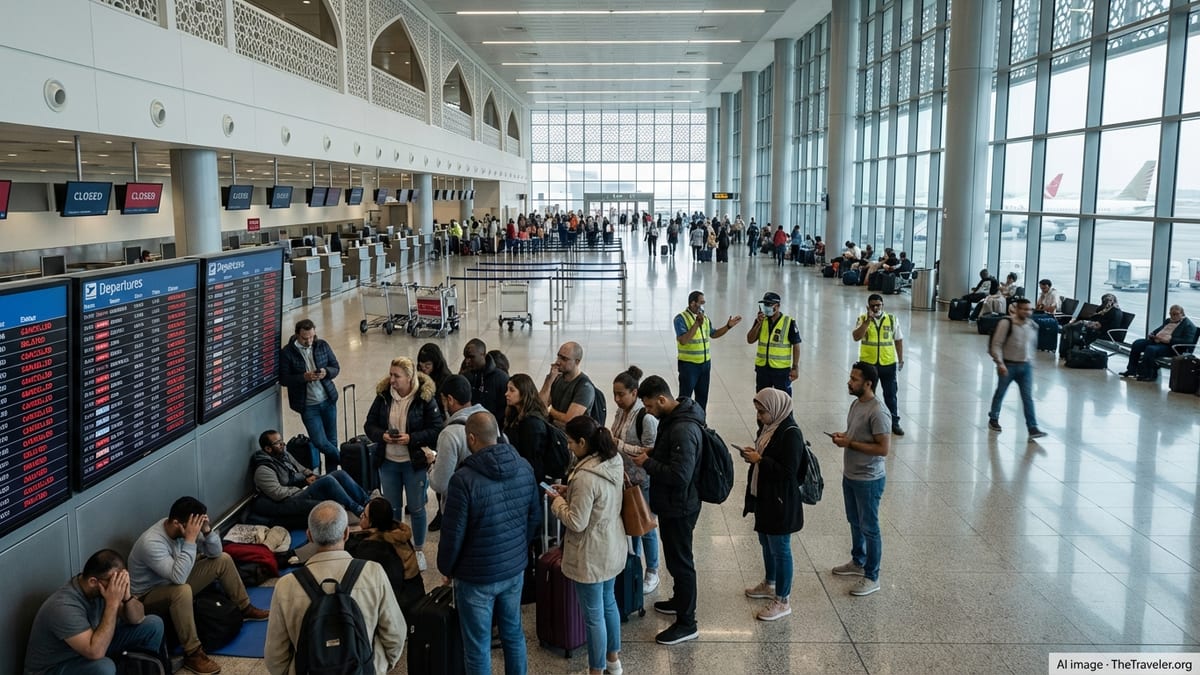
The disruption left many travellers unexpectedly grounded in cities such as Aomori, Kagoshima and Naha as connections fell apart. Social media posts and travel forums on June itineraries described passengers seeking last-minute hotel rooms near airports, rearranging rail connections and, in some cases, abandoning side trips to remote islands due to uncertainty over return flights.
Domestic tourism, which remains a crucial part of regional economies, was among the most affected segments. Sightseers heading to resort destinations in Okinawa or to hot spring towns in Kyushu and northern Honshu reported having to cut stays short or extend trips while waiting for rebooked flights. Business travellers similarly faced missed meetings and rescheduled appointments as morning delays cascaded into evening arrivals.
Families and international visitors connecting through Tokyo and Osaka onto domestic legs found themselves particularly vulnerable when onward flights to regional hubs were delayed or cancelled. Even where alternative options existed, popular routes into New Chitose, Kagoshima and Naha often operated close to capacity in early summer, limiting the ability of airlines to accommodate all disrupted passengers on later services.
Advisories Emphasize Constant Status Checks
In the wake of the cancellations and delays, publicly available advisories from airlines and travel platforms consistently emphasized the importance of monitoring flight status closely, especially during Japan’s storm and rainy seasons. Many carriers updated their websites and mobile applications throughout the day, flagging routes most exposed to disruption and enabling self-service changes for eligible tickets.
Travel agencies and online booking portals likewise urged customers to build additional buffer time into itineraries that involve connections through weather-sensitive airports such as Kagoshima, Naha and New Chitose. Recommendations included considering earlier departures on the day of travel, being prepared for schedule changes up to departure time, and checking airport access information in case surface transport is also affected by heavy rain or strong winds.
For travellers already on the ground, the experience served as a reminder that Japan’s otherwise punctual aviation network can be vulnerable when severe weather coincides with busy travel periods. With the broader summer typhoon season only beginning, observers suggest that passengers planning domestic hops on JAL, ANA, Peach, Skymark, Air Do and other carriers in the coming weeks should closely track forecast developments and maintain flexible contingency plans.