


More news on this day
Memorial Day weekend 2026 is shaping up to be one of the busiest travel periods in recent memory across the United States, as recent AAA forecasts and booking trends suggest another surge in road trips, air travel, and hotel stays following 2025’s record-setting holiday.
Get the latest news straight to your inbox!
Momentum From Record-Breaking 2025 Sets the Tone
AAA’s most recent detailed Memorial Day outlook, published in May 2025, projected 45.1 million Americans traveling at least 50 miles from home over the holiday period, surpassing a 20-year high and setting a new benchmark for the unofficial start of summer. That forecast showed overall travel up roughly 3 percent from 2024, with car trips and flights both climbing despite concerns about inflation and household budgets.
The 2025 data also highlighted the dominance of road trips. About 39.4 million travelers were expected to drive, accounting for close to 9 in 10 Memorial Day journeys and marking a new record for holiday car travel. Air travel was projected to rise as well, with AAA estimating a 2 percent increase in passengers compared with 2024, even as average domestic fares ticked slightly higher.
Those strong numbers did not emerge in isolation. Throughout 2024 and 2025, AAA and other travel trackers reported record volumes around Thanksgiving, year-end holidays, and Independence Day, reflecting persistent “make-up” demand following the pandemic-era slowdown. This broader pattern of record traffic serves as the backdrop for expectations that Memorial Day 2026 will once again see very heavy movement on the roads and in the skies.
Analysts following AAA’s holiday forecasts note that each major travel period over the past several years has inched higher, suggesting that, barring an unexpected economic or operational shock, Memorial Day 2026 is likely to at least match, and potentially edge past, the 45-million-traveler mark recorded in 2025.
Road Trips Still Rule as Drivers Watch Gas and Weather
Recent AAA trends indicate that personal vehicles will remain the preferred mode of transport for Memorial Day 2026. In 2025, roughly 87 percent of holiday travelers chose to drive, and early 2026 planning guidance from travel groups points to continued strength in road-trip demand, particularly for regional getaways within a day’s drive of major metro areas.
Drivers are monitoring fuel prices closely, but recent holiday periods have shown that modest increases at the pump have not been enough to dissuade Americans from taking long-weekend trips. Instead, many travelers appear to be adjusting by choosing closer destinations, trimming trip length by a day, or opting for more budget-conscious lodging and dining rather than shelving plans altogether.
Congestion is expected on familiar corridors, including interstates leading from major cities to nearby beaches, lakes, mountain towns, and national parks. In previous Memorial Day periods, bottlenecks have been reported on routes from the Northeast to the Mid-Atlantic coast, from the Midwest to lake destinations, and along key stretches of the West Coast and Sun Belt. Publicly available transportation and mapping data suggest that late Friday afternoon and mid-day Saturday are likely to be peak times once again in 2026.
State-level AAA clubs are already warning that a combination of high demand and ongoing road construction in some regions could mean slower-than-usual travel around urban centers and popular recreation areas. Travelers are being encouraged, via publicly available advisories, to allow extra time, check traffic apps frequently, and consider early-morning departures to avoid the worst backups.
Airports Prepare for Another Packed Holiday Weekend
Air travel is also expected to be robust for Memorial Day 2026. The 2025 Memorial Day forecast showed more than 3.6 million passengers flying over the holiday window, reflecting year-on-year growth even as average fares rose and many routes remained heavily booked. Subsequent AAA holiday outlooks for Thanksgiving and year-end 2025 continued to point to record passenger volumes, reinforcing the view that demand for flights remains durable.
Industry coverage indicates that airlines have been adjusting schedules and capacity in response to sustained demand, adding frequencies on high-interest leisure routes and leaning on larger aircraft where possible. For Memorial Day 2026, strong interest is anticipated on routes to coastal hubs, desert and mountain gateways, and cities that anchor major events and festivals.
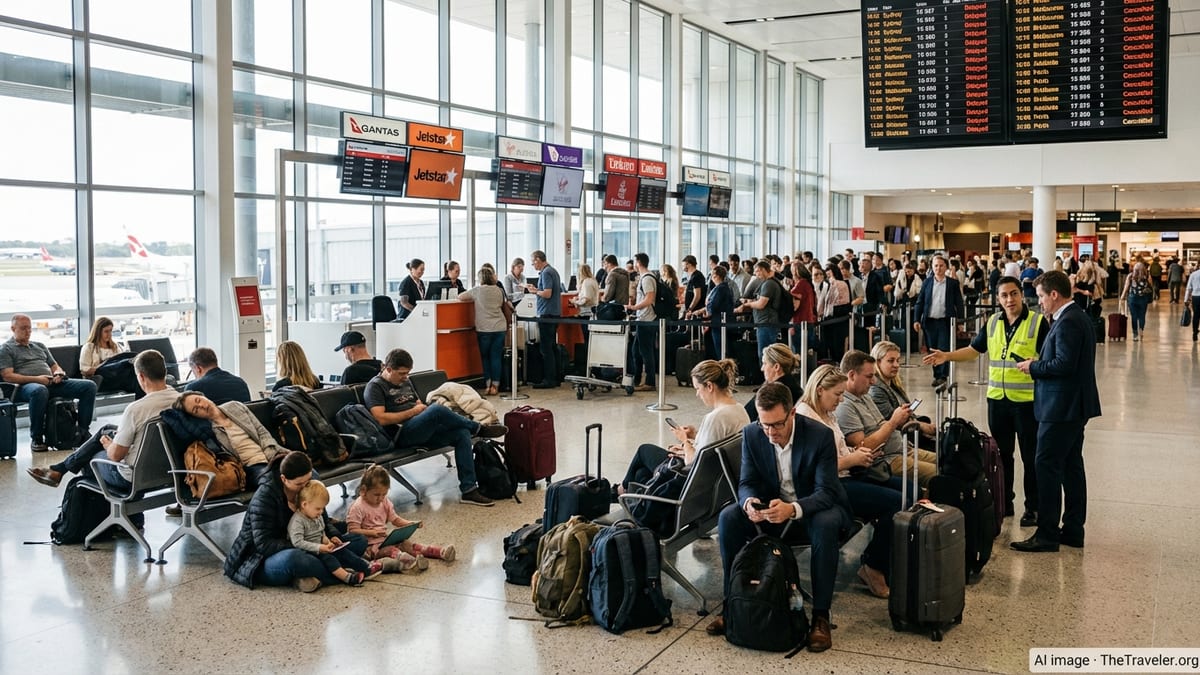
Travel experts cited in recent coverage emphasize that staffing levels among airlines, security agencies, and airport concessions have improved compared with the early post-pandemic period, which could help mitigate some of the delays and bottlenecks seen in earlier years. Nonetheless, high passenger volumes, tight turnaround times, and seasonal thunderstorms in parts of the country mean that schedule disruptions remain a possibility.
Booking data referenced in travel industry reports suggest that many Memorial Day flyers have been securing tickets further in advance, often three months or more ahead of departure, in an effort to manage costs and lock in preferred flight times. This pattern, already visible in 2024 and 2025, is expected to continue into the 2026 holiday season, further intensifying demand on peak departure days.
Hotels and Vacation Rentals See Strong Early Demand
Hotel and vacation-rental demand around Memorial Day has risen in tandem with broader travel volumes, and early 2026 trends point to another busy long weekend for the lodging sector. In 2025, AAA’s Memorial Day analysis and related travel coverage highlighted strong booking activity in major sun-and-sand destinations, theme park markets, and gateway cities, with many popular properties reporting high occupancy.
Industry analysts note that travelers are increasingly price sensitive, but rather than abandoning Memorial Day plans, many appear to be trading down from luxury properties to midscale hotels or short-term rentals, shifting to slightly less expensive neighborhoods, or shortening stays from four nights to three. This “value-seeking” behavior has been visible across multiple recent holiday periods and looks set to influence Memorial Day 2026 bookings as well.
Reports from hotel revenue managers and booking platforms indicate that flexible cancelation policies and loyalty-program perks are playing a growing role in consumer decisions. Travelers looking at Memorial Day weekends have been using loyalty points to offset higher nightly rates, particularly in major resort areas, while also favoring properties that offer no-penalty changes within a certain window.
Destination trends heading into 2026 suggest that major beach markets on both coasts, national park gateways in the Mountain West, and city-break favorites such as Orlando, Las Vegas, and New York are likely to draw strong Memorial Day demand. At the same time, interest in smaller coastal towns, wine regions, and secondary cities appears to be rising as travelers look for slightly quieter and more affordable alternatives.
What Travelers Should Expect for Memorial Day 2026
Putting these strands together, the picture emerging for Memorial Day 2026 is one of high volume, tight capacity on peak days, and continued resilience in leisure demand. The combination of record-setting 2025 travel statistics, robust forecasts for other major holidays, and persistent “revenge travel” sentiment suggests that many Americans still prioritize experiences and family visits, even as they trim costs around the edges.
Travelers planning to hit the road in 2026 should expect busy highways, particularly on the Friday before Memorial Day and the holiday Monday itself. Early departures, alternative routes, and careful attention to local construction alerts may help reduce stress and delays. Those renting cars are likely to encounter brisk demand in major markets, based on recent patterns, and may benefit from reserving vehicles well ahead of time.
At airports, flyers can anticipate crowded security lines, full flights, and limited last-minute deals, especially on popular leisure routes. Travel guides and consumer advocates consistently recommend arriving earlier than usual, booking nonstop flights when possible, and avoiding tight connections through weather-prone hubs during the late afternoon and evening hours.
For hotels and vacation rentals, the strongest advice from recent seasons remains straightforward: book early, remain flexible on exact locations and property types, and consider shifting stays by a day on either side of the core holiday window. With Memorial Day 2026 poised to continue the trend of record-breaking travel, those who plan ahead are likely to have the widest choice of options and the best chance of keeping costs under control.