


More news on this day
Memorial Day 2026 is delivering one of the busiest travel periods on record in the United States, with airlines, highways and transit systems straining under a surge of passengers and weather-related delays.
Get the latest news straight to your inbox!
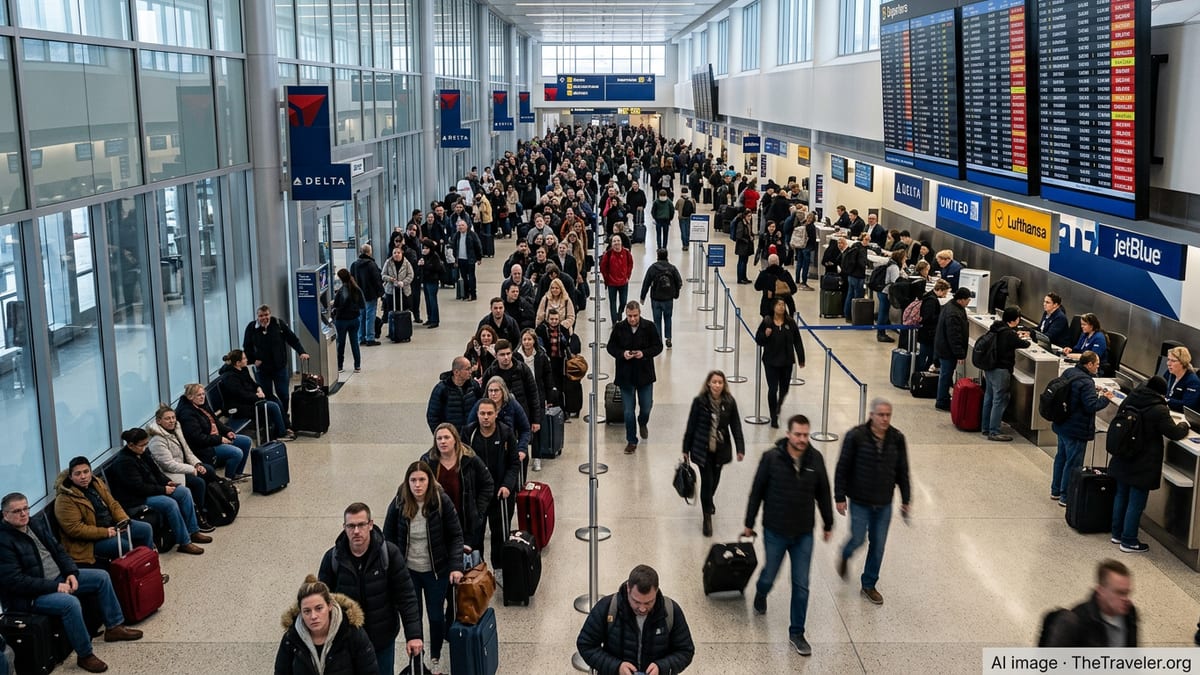
Record Numbers on the Move for Holiday Getaways
Travel volumes for Memorial Day weekend 2026 are testing the limits of the nation’s transportation network. Forecasts from AAA and other travel trackers projected roughly 45 million people traveling at least 50 miles from home between Thursday and Monday, surpassing last year’s estimates and setting a new benchmark for the unofficial start of summer. Car trips remain the dominant choice, with close to 40 million travelers opting to drive despite higher fuel prices and longer journey times.
Airports are also seeing their heaviest crowds of the year. Publicly available figures from the Transportation Security Administration for Friday, May 22, indicate that security checkpoints processed more than 2.9 million passengers in a single day, the highest daily count reported so far in 2026. Industry data shows that domestic demand for short leisure trips and family visits has rebounded strongly after several years of more cautious travel patterns.
Rail, bus and cruise operators are benefiting from the upswing as well. AAA’s national outlook and regional coverage from major media outlets describe moderate but noticeable growth in “other modes” of travel such as intercity buses, trains and ships compared with 2025. That diversification is easing some pressure on highways and airports but has not been enough to prevent bottlenecks across key corridors.
Across many cities, the spike in movement is visible in crowded station platforms, full rental-car lots and lengthier waits for rideshare pickups. Travel analysts describe the weekend as a live test of how U.S. infrastructure copes with peak-season demand heading into the summer.
Storms and Airline Disruptions Snarl Flight Schedules
As passenger numbers climb, the air travel system is contending with widespread operational headaches. Tracking services such as FlightAware and aviation briefings compiled by travel-rights organizations show thousands of flights delayed nationwide on Sunday, May 24, with particularly heavy impacts at major hubs in Chicago, New York and San Francisco. Weather-related ground stops and reduced arrival rates at several airports created ripple effects throughout airline networks.
Data highlighted by outlets including Forbes points to more than 4,000 departures and arrivals affected on Sunday alone, largely due to thunderstorms and low cloud ceilings moving across the Midwest and Northeast. Carriers have attempted to manage the disruption through rolling delays, schedule thinning at congested hubs and the use of larger aircraft on select routes to consolidate passengers.
Individual airlines are also experiencing concentrated trouble spots. Passenger advocacy site AirHelp reports that Delta Air Lines saw at least 300 disrupted flights on Sunday, including nearly 300 delays and more than a dozen cancellations, as storms and knock-on congestion compounded routine operational constraints. Similar challenges have been noted at other major carriers, with social media posts and travel forums filled with images of long customer service lines and crowded gate areas.
Industry briefings circulated ahead of the weekend had already warned that limited spare capacity at some hubs, combined with new seasonal caps at Chicago O’Hare, could magnify the impact of even routine weather. The Memorial Day surge is now illustrating how quickly these stress points can translate into multi-hour waits and missed connections for passengers.
Highways Jam as Drivers Face Congestion and Costly Fuel
On the ground, motorists are encountering heavy traffic on many of the nation’s busiest interstates. State transportation departments in Washington, Arizona, Oklahoma and other states have released traffic charts and advisories projecting sustained congestion during peak hours on routes such as Interstate 5, Interstate 10 and key toll corridors. Historical data used in those forecasts indicated that volumes this year would exceed typical Memorial Day patterns, a prediction that early reports from traffic sensors and navigation apps appear to be confirming.
In the Pacific Northwest, Washington State’s highway agency projected long backups along the I‑5 corridor between Lacey and Tacoma at several points from Friday afternoon through Monday evening, particularly during the return rush on Memorial Day itself. Similar warnings were issued around beach and mountain gateways in the Carolinas, the Mid-Atlantic and New England, where weekend drivers share the road with local holiday events and construction bottlenecks.
Despite persistent complaints about fuel costs, drivers have largely chosen to stay on the road. The national average gasoline price is hovering in the mid‑4 dollar range per gallon, according to energy market coverage, the highest Memorial Day level since the summer of 2022. Reports from AAA and regional outlets like the Philadelphia Inquirer note that prices in some Western states are even higher, yet surveys suggest many households prioritized short regional trips over staying home.
Real-time anecdotes posted across social platforms over the weekend hint at uneven conditions. Some travelers, particularly in areas dealing with cool or rainy weather, describe lighter-than-expected backups on certain Fridays and Saturdays, while others report hours-long delays near popular coastal destinations on Sunday and Monday as visitors head home.
Weather Threats Compound Return-Rush Stress
Weather has emerged as a key variable in how smoothly the holiday concludes. Forecasters at the National Weather Service and regional partners have spent the weekend monitoring a slow-moving storm system stretching from the southern Plains through the Mid-Atlantic. Coverage compiled by VisaHQ and local outlets indicates that this system is producing heavy rain, gusty winds and bouts of low visibility along major travel corridors as millions of people attempt to return home.
Houston and parts of Southeast Texas face an elevated risk of flash flooding, according to detailed outlooks published by Axios and local meteorologists. With soils already saturated from prior rainfall, even moderate downpours can quickly overwhelm drainage systems, leaving underpasses and low-lying roadways vulnerable to temporary flooding. Drivers in these areas are being urged through public alerts and traffic advisories to check conditions, avoid water-covered roads and allow extra time for detours.
Farther north and east, the same weather pattern is blamed for delays at key airports and reduced speeds on interstates. Low clouds and gusty crosswinds can force air traffic controllers to increase spacing between aircraft, lowering the effective capacity of busy arrival and departure banks. On the roads, visibility issues and ponding water contribute to slower travel and a higher risk of collisions, which in turn generate secondary backups.
Conversely, the West Coast and parts of the Mountain West are enjoying relatively benign conditions, with dry, stable weather encouraging even more road tripping. Freight industry forums and local news roundups describe a clear split-screen effect: clear skies and high volumes in the west, unsettled weather and sporadic gridlock in parts of the central and eastern United States.
Early Glimpse of a Strained Summer Travel Season
The intensity of Memorial Day 2026 travel is being watched closely as an early indicator of how the broader summer season might unfold. Travel analysts point out that the combination of record passenger counts, infrastructure limits and increasingly volatile weather patterns could make this summer one of the most challenging in recent memory for both airlines and motorists.
AAA’s Memorial Day forecast, combined with ongoing reports of packed flights and full hotels in major leisure markets, suggests that pent-up demand for domestic trips remains strong. At the same time, staffing constraints in some parts of the aviation sector and continuing maintenance backlogs within highway networks leave little margin for error during peak periods.
Consumer behavior is already adapting to the new reality. Booking and traffic data show more people starting trips on Thursdays to dodge the heaviest Friday crowds, and travel forums are filled with advice to take first departures of the day, choose secondary airports where possible and schedule longer layovers. For drivers, experts routinely recommend traveling early in the morning or late at night, building buffer time into itineraries and checking multiple sources for real-time updates.
With tens of millions of Americans now on the move for the first major holiday of the year, Memorial Day is functioning as a stress test for the systems that will carry vacationers through July 4 and Labor Day. If the current weekend is any guide, travelers can expect a busy, and at times bumpy, road ahead.