


More news on this day
As Roland Garros 2026 unfolds in Paris from 24 May to 7 June, international visitors flying in on Emirates and other long-haul carriers are confronting a mix of schedule tweaks, packed arrival halls and heightened scrutiny around VIP transfers, creating a more complex journey to the French Open than many anticipated.
Get the latest news straight to your inbox!
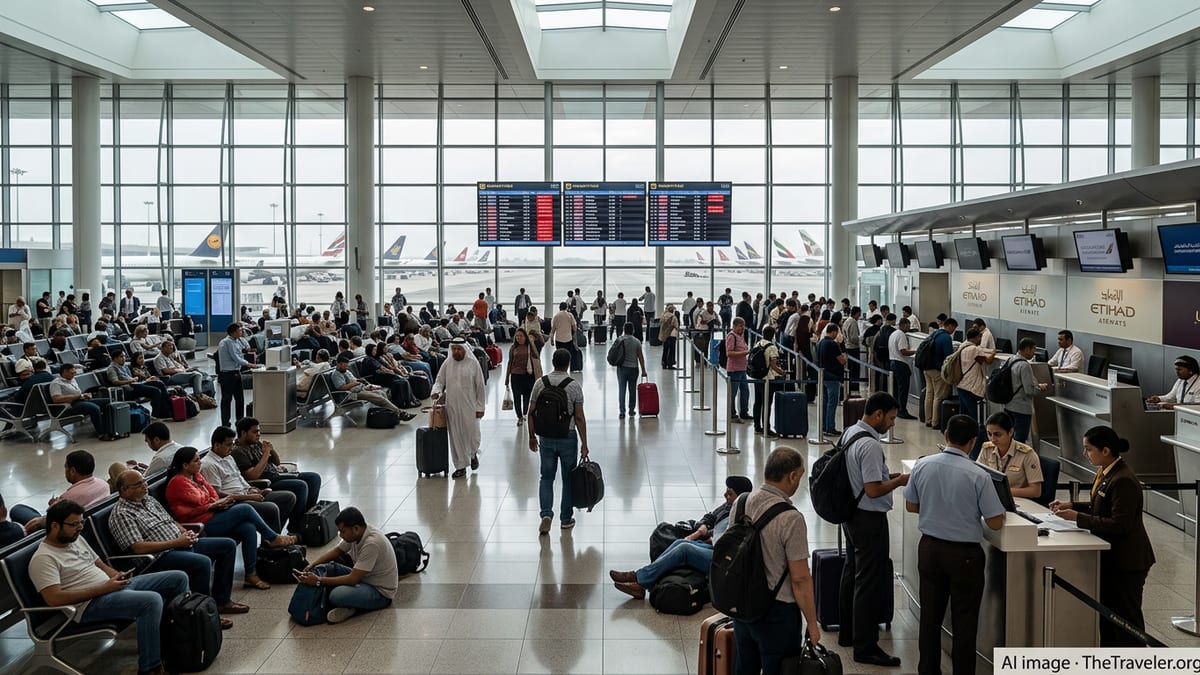
Peak Roland Garros Traffic Meets a Tight Global Flight Network
Roland Garros 2026 is drawing tens of thousands of spectators, media and corporate guests to Paris during a concentrated two-week window, coinciding with one of the busiest periods on the European aviation calendar. The French Open’s main draw, running from late May into early June, overlaps with spring holidays and a rebound in long-haul tourism, placing additional pressure on prime long-haul routes into the French capital.
Emirates, which relies on carefully timed connections through Dubai to feed services into Europe, has recently faced operational adjustments across parts of its network. Publicly available schedules and traveler discussions point to aircraft rotations being reshuffled, with some routes seeing temporary suspensions or retimings in the lead-up to and during May 2026. For passengers planning to reach Paris in time for early-round matches or high-demand weekend sessions, even minor timing changes can affect onward connections and arrival windows.
Travel forums and airline schedule trackers show that while most Emirates services into key European hubs remain intact, a combination of one-off cancellations, retimed departures and substituted aircraft has required last-minute rebooking for some customers. Because many travelers to Roland Garros hold linked itineraries, a schedule change on one sector can cascade into missed connections or overnight layovers, particularly for those routing via Dubai from Asia-Pacific or Africa.
For tennis fans still finalizing plans, experts recommend checking flight status and schedules frequently in the weeks before departure rather than assuming that previously published times will remain unchanged. With the tournament already underway, last-minute availability on the most desirable dates and time bands is tightening, especially for premium cabins favored by corporate guests and hospitality clients.
Emirates-Specific Issues: Cancellations, Retimings and Rebooking Realities
In the months leading up to Roland Garros, Emirates has seen a patchwork of disruptions on various long-haul sectors. Public reports highlight examples of entire monthly rotations on some South American routes being suspended, while isolated departures on selected North American and European flights have been cancelled or rescheduled. Although these changes are not directly linked to Roland Garros, they feed into a global network where aircraft and crews are highly interdependent, meaning knock-on effects can appear far from the original disruption.
Recent passenger accounts describe cases in which Emirates altered departure times by small margins, such as 30 minutes, triggering eligibility for full refunds under certain fare conditions. In other instances, travelers have been rebooked onto alternative Emirates services without additional cost, or offered the option to reroute through secondary European hubs with codeshare partners. For those bound for Paris, this has occasionally meant arriving via cities such as Geneva, Zurich or Frankfurt and continuing by short-haul flights or rail.
Travel insurance coverage has emerged as another key concern for Roland Garros visitors. Some insurers treat airline-initiated cancellations differently from schedule changes or missed connections, and anecdotal evidence suggests that policies tied to specific disruption categories can be difficult to invoke. Travelers heading to time-sensitive events like Grand Slam matches may find that standard policies do not fully cover the cost of last-minute rebookings on alternative airlines, upgraded cabins or nonrefundable match tickets.
In this environment, international visitors are advised to monitor their Emirates bookings through official channels, confirm minimum connection times in Dubai, and consider more conservative itineraries that build in extra buffers before marquee match days. Flexibility in travel dates, cabin choice and routing can significantly improve the chances of arriving in Paris on schedule, especially during the middle weekend and final rounds when demand peaks.
VIP and Corporate Travelers Face Ground Transport and Slot Pressures
As in previous years, Roland Garros 2026 is attracting a substantial VIP contingent, from corporate hospitality guests to private jet users and high-profile athletes’ entourages. Paris’s airports, particularly Charles de Gaulle and Le Bourget, are managing intense demand for both commercial and private operations, with slot coordination becoming more stringent during the tournament window.
Industry briefings and airport notices indicate that private and business aviation movements face tighter slot allocation and ground-handling constraints this season, paralleling trends seen around other major European sporting events. Operators are being urged to secure slots and parking well in advance, and in some cases to consider repositioning aircraft to outlying airports for overnight stays. The result is less flexibility for last-minute VIP arrivals or changes in departure plans.
On the ground, chauffeur services, high-end taxis and secure transfer providers report strong booking levels, particularly for journeys between Paris airports, central luxury hotels and the Roland Garros site in the western part of the city. With the tournament coinciding with other large-scale cultural and business events, premium vehicles and English-speaking drivers are in especially high demand during early morning and late evening peaks aligned with flight arrivals.
Corporate travel planners are increasingly building contingency plans that include multiple transfer options, from pre-booked cars to backup rail routes from neighboring countries. For VIP guests, this can mean accepting earlier arrivals, longer waiting times at airports or less customized itineraries than in quieter years, as providers prioritize safety and predictability over last-minute personalization.
Security, Access and Ticketing Constraints Around the Grounds
Beyond the airport, international visitors heading to Roland Garros face a more tightly managed environment around the tournament grounds. Public information from organizers highlights enhanced security perimeters, access controls and crowd-management measures introduced in recent editions and maintained for 2026. These steps, while designed to streamline flows and protect attendees, can lengthen journey times and reduce the spontaneity of last-minute arrivals.
Ticketing practices also shape travel behavior. Official guidance emphasizes that the only authorized resale of Roland Garros tickets occurs through the tournament’s own platforms, with strict controls to combat fraud and scalping. Travelers arriving from abroad who rely on informal resale channels risk finding themselves without valid entry, particularly on high-demand days such as the middle weekend, quarterfinals and semifinals.
For Emirates passengers arriving from overnight long-haul flights, the combination of jet lag, airport queues and security lines at the venue has encouraged some to schedule their first visit to the grounds for the day after landing rather than heading straight from the airport. Travel forums are filled with reminders that match start times can shift due to weather or extended play, meaning that cutting arrival times too close carries a real chance of missing key sessions.
Hotels in western Paris and near major transport hubs are reporting elevated occupancy over the tournament period, and many are enforcing stricter check-in and late-arrival policies. For travelers whose Emirates flights are retimed or delayed, advance communication with hotels and transfer providers can reduce penalties and help secure alternative arrangements if arrival shifts into the early hours.
Practical Strategies for Navigating Roland Garros Travel in 2026
Travel professionals suggest that visitors treating Emirates and other long-haul carriers as part of a broader multimodal plan tend to fare best during Roland Garros 2026. This often means pairing a long-haul segment into a major European hub with flexible rail or short-haul air tickets to Paris, or allowing extra nights at the start of the trip to absorb unexpected changes.
For those booked directly into Paris on Emirates-operated or codeshare flights, reviewing fare conditions, change fees and refund rules has become essential. Travelers may wish to prioritize tickets that permit date or routing changes without punitive surcharges, especially if their stay is anchored to specific match days. Keeping digital copies of booking confirmations, insurance documents and tournament tickets can also simplify discussions with airlines, hotels and intermediaries if plans need to be adjusted on short notice.
VIP and corporate travelers are increasingly leaning on specialized travel management companies that monitor airline operations, airport conditions and security developments throughout the tournament. These services can support rapid rebooking, identify alternative routings and coordinate ground transport when disruptions occur, although they come at a premium that may be beyond the budget of typical fans.
For independent travelers, the key themes emerging during Roland Garros 2026 are preparation and flexibility. By confirming flight details repeatedly before departure, allowing generous buffers between arrival and key matches, and treating VIP add-ons such as private transfers as elements that might need reshaping on the fly, international visitors can still enjoy the spectacle of Paris’s Grand Slam while minimizing the stress of navigating a crowded global aviation network at its seasonal peak.