


Mexico presents a complex risk environment for expatriates that combines elevated criminal violence, sharp regional disparities, and significant exposure to natural hazards. A structured, data-informed view of these risks is essential for individuals and employers evaluating relocation decisions. This dashboard synthesizes current indicators on personal security, crime typologies, regional risk variation, institutional capacity, and environmental threats relevant to foreign residents considering a move to Mexico.
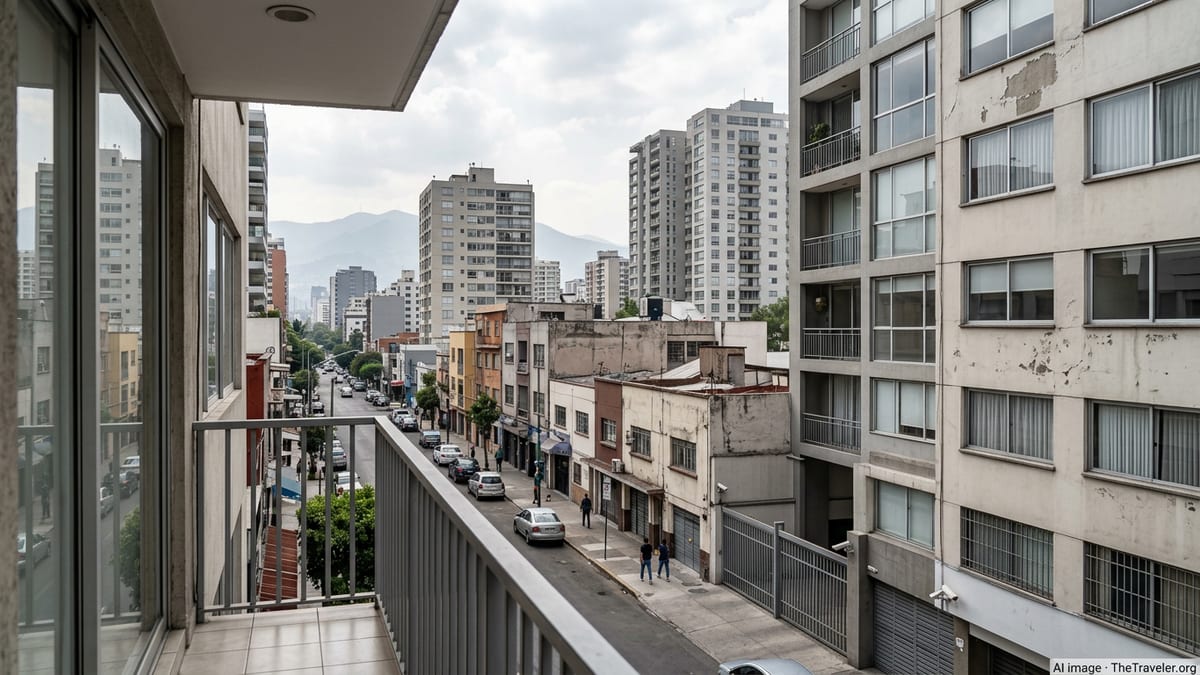
Overall Personal Security Risk Profile
Mexico remains a relatively high-violence country by international standards, even as homicide rates show a gradual downward trend. Recent national figures indicate a homicide rate in the range of roughly 23 to 25 per 100,000 inhabitants in 2023, placing Mexico among the higher-risk countries globally for lethal violence. Preliminary government communications suggest the rate may have fallen further by 2025, but independent verification is still lagging, and analysts advise caution when interpreting these improvements.
For relocating expats, the principal drivers of security risk are organized crime activity, local criminal economies, and uneven law enforcement capacity. Most homicides are linked in some way to organized crime dynamics, and violence is often concentrated in specific states and municipalities rather than being evenly distributed nationwide. Many expatriate communities function with significantly lower day-to-day exposure to violence than national averages imply, but relocation decisions still need to account for the broader environment.
Nonlethal crime is widespread, with national victimization surveys suggesting tens of thousands of victims per 100,000 inhabitants annually. Underreporting remains substantial, especially for extortion and certain property crimes, which complicates granular risk benchmarking. As a result, expat risk assessments must emphasize trend direction, local context, and qualitative indicators rather than relying solely on national crime statistics.
In practical terms, Mexico’s overall personal security risk for expats can be characterized as moderate to high, depending heavily on location, lifestyle, and adherence to security protocols. Many international companies still base staff in major urban centers and industrial corridors, but they typically add security controls, travel restrictions, and robust contingency planning to offset underlying risks.
Violent Crime, Kidnapping, and Organized Crime Exposure
Violent crime in Mexico is strongly driven by organized crime groups and associated disputes over territory, trafficking routes, and local extortion markets. Various analyses estimate that a large majority of homicides, often around four-fifths, show characteristics associated with organized crime. This means that much of the most extreme violence is targeted within criminal ecosystems, but it can still present collateral risk to residents through mistaken identity, crossfire incidents, or being present at targeted venues.
Kidnapping for ransom and express kidnapping remain strategically important risks for expatriates and their families, particularly in certain border states, parts of the central Bajío region, and some Pacific and Gulf corridors. Specialist security consultancies report that dozens of formal kidnap for ransom cases may be recorded each month nationwide, while official statistics and security agencies acknowledge that the real figure is likely significantly higher due to extensive underreporting. Express kidnappings and short-term abductions for forced ATM withdrawals are more common in urban areas and often target perceived affluence or limited situational awareness.
Extortion and protection rackets also form a central part of the organized crime business model. Official data points to hundreds of formal extortion complaints in a single month at the national level, and observers widely agree that most cases never reach authorities. For expats operating businesses, managing exposure to local extortion dynamics is often a key concern, and corporate relocation programs typically integrate business continuity and security risk management mechanisms.
For expatriates, the practical implication is that risk exposure is highly sensitive to visible wealth, routine predictability, and connection to high-value sectors such as energy, logistics, or large-scale retail. Relocation planning should integrate measures such as route and routine variation, low-profile behavior, professional security assessments of neighborhoods, and, in higher-risk zones, access to vetted secure transportation and crisis response services.
Regional and City-Level Risk Disparities
Mexico’s security landscape is highly heterogeneous. National averages conceal very large differences between low-violence and extreme-violence areas. In some coastal and border states, homicide rates have exceeded 100 per 100,000 inhabitants in recent years, while many municipalities in central and southern Mexico report rates below 5 per 100,000. For expats, this means that the selection of state and city is the single most important determinant of baseline risk.
States with persistent high homicide and organized crime indicators have recently included Colima, Guanajuato, parts of Michoacán, and sections of the northern border. Ports and strategic logistics hubs are often focal points of cartel competition, contributing to elevated risk levels. By contrast, parts of the Yucatán Peninsula, some central highland areas, and selected mid-sized cities have consistently reported comparatively lower violent crime rates and a more stable security environment.
Even within a single metropolitan area, risk can vary substantially by municipality and neighborhood. Some districts host established expat communities with robust private security, controlled access housing, and proactive local policing, while other districts in the same city may experience frequent shootings, robberies, or extortion. Recent security alerts in early 2026 highlighting temporary curfews and movement restrictions for consular staff in certain cities underscore how quickly localized conditions can shift, even in major commercial centers.
Expats and employers should therefore treat Mexico not as a single risk environment but as a patchwork of micro-environments. Effective relocation planning involves detailed city and neighborhood-level due diligence, including consultation with corporate security teams, professional risk advisers, and up-to-date travel and security advisories. This approach enables relocation to lower-risk pockets while avoiding high-risk corridors and municipalities.
Everyday Crime, Property Offenses, and Personal Safety Habits
Beyond headline-grabbing cartel violence, everyday crime significantly shapes the lived risk experience for expats. National victimization surveys report that nonlethal crimes such as street robbery, burglary, vehicle theft, fraud, and pickpocketing are far more prevalent than homicides. Prevalence rates have been reported in the tens of thousands of victims per 100,000 inhabitants each year, indicating that most households will encounter some form of crime over a multi-year period.
Urban centers and transit hubs see higher concentrations of opportunistic crime. Public transport networks, crowded markets, nightlife zones, and ATM clusters are frequent targets for petty theft and robbery. Expats who rely heavily on ride-hailing services, own conspicuous vehicles, or maintain predictable commuting patterns can be more noticeable to opportunistic offenders. While most such incidents are nonlethal, the use or threat of weapons in robberies is not uncommon and can raise the prospect of physical harm if victims resist.
Residential security standards vary widely across Mexico. Many middle and upper-middle class neighborhoods integrate features such as perimeter walls, access control, security guards, and CCTV. Gated communities and vertical housing with controlled entry can meaningfully reduce burglary and home invasion risk, although they do not eliminate exposure when residents enter or leave the premises. Expats living in standalone houses in mixed neighborhoods without formal security measures may face higher vulnerability to property crime.
Personal safety habits significantly influence actual risk outcomes. Core measures include maintaining a low public profile, minimizing displays of wealth, avoiding late-night walking in low-traffic areas, using reputable taxis or ride-hailing platforms, and keeping strict control of personal documents and devices. Many employers support expatriates with security briefings, preferred transport vendors, and guidelines on nightlife, ATM use, and social media behavior as part of relocation onboarding.
Institutional Capacity, Rule of Law, and Reporting Challenges
Institutional weaknesses are a central component of Mexico’s relocation risk profile. Despite gradual investments in policing and justice, impunity rates remain high and many serious crimes are never effectively investigated or prosecuted. Recent human rights and legal analyses have highlighted serious deficiencies in homicide investigations, particularly in cases related to organized crime, contributing to a perception that perpetrators face limited consequences.
Underreporting is pervasive, especially for crimes such as extortion, kidnapping, and sexual violence. Residents often express limited trust in local authorities, fear of retaliation by criminal groups, and low expectations of effective follow-up. This means that official statistics likely capture only a portion of actual incident volumes. For expats, the implications are twofold: actual risk may be higher than figures suggest in certain areas, and reliance on law enforcement alone as a protective factor is insufficient.
On the positive side, certain states and cities have implemented more professionalized policing models, stronger coordination between local, state, and federal forces, and targeted interventions that have contributed to local declines in violence. Some business and expat hubs benefit from specialized tourist or commercial police units and partnerships between private security providers and public authorities. However, this progress is uneven, and institutional robustness should be evaluated individually for each relocation destination.
Companies relocating staff commonly compensate for institutional gaps by investing in private security, secure corporate facilities, access-controlled residential options, and dedicated incident response protocols. Individual expats benefit from understanding not only the broad national context but also the specific capabilities and limitations of the police, prosecutors, and emergency services in their host city.
Natural Hazard and Environmental Risk Landscape
Alongside crime and security concerns, Mexico presents a significant level of natural hazard exposure that must be integrated into a holistic relocation risk dashboard. A substantial share of the population lives in areas exposed to earthquakes, volcanic activity, hurricanes, tropical storms, and flooding. Historical events such as the 1985 Mexico City earthquake and more recent seismic events in states like Chiapas, Michoacán, and Guerrero illustrate the country’s susceptibility to high-impact earthquakes.
Seismic risk is highest in the Pacific coastal states and central regions influenced by active subduction zones. Major urban centers including Mexico City, Guadalajara, and Oaxaca fall within or near areas of elevated earthquake hazard. Building codes and seismic engineering practices have improved since the mid-1980s, especially for newer commercial and high-rise residential structures, but the resilience of older housing stock and informal construction can vary substantially. For expats, due diligence on building age, compliance with modern codes, and documented structural reinforcement is an important part of housing selection.
Mexico is also exposed to Atlantic and Pacific hurricane seasons, which can bring damaging winds, storm surges, and flooding to coastal states. Recent major hurricanes impacting regions such as the southern Pacific coast have underscored the vulnerability of coastal infrastructure and housing, as well as the potential for extended service disruptions. Inland flooding and landslides can affect both rural and peri-urban areas, particularly during intense rainy seasons.
From a relocation standpoint, the natural hazard risk profile varies by region, similar to security risk. Coastal resort zones may face elevated hurricane and storm surge exposure, central valleys and plateaus may prioritize seismic risk, and some northern arid regions may primarily face drought and occasional flash flooding. Employers and individuals should incorporate natural hazard mapping, local emergency management capacity, and the resilience of utilities and health infrastructure into site selection and contingency planning.
Corporate and Individual Risk Mitigation Strategies
Given Mexico’s mixed risk landscape, relocation feasibility often hinges less on eliminating risk and more on managing it systematically. Many multinational companies continue to deploy staff to Mexico by combining careful destination selection with structured mitigation. This typically includes pre-departure security briefings, vetted ground transportation, access-controlled housing, and clear travel and conduct policies tailored to local conditions.
For corporate programs, a typical risk mitigation toolkit in Mexico includes formal security risk assessments for candidate cities, red-line no-go areas within states, journey management protocols for intercity travel, and fast-evolving guidance that reflects current security alerts. Employers frequently establish incident reporting channels, 24/7 security hotlines, and relationships with professional crisis response providers capable of supporting kidnapping, extortion, or critical incident scenarios.
Individual expats can complement institutional measures by cultivating strong local situational awareness, following route and routine diversification practices, and integrating into trusted local networks that can provide timely informal intelligence on changes in neighborhood conditions. Including security considerations in all major life logistics decisions, such as school selection, commuting routes, and leisure activities, is central to maintaining an acceptable risk profile.
Finally, relocation stakeholders should treat risk assessment as dynamic. Recent security alerts in early 2026 associated with intensified operations in certain northern and western states, followed by the lifting of some restrictions within days, illustrate how rapidly the environment can shift. Regularly updated dashboards that track homicide trends, advisory levels, and natural hazard events at state and city level are crucial for sustaining safe and viable expat assignments.
The Takeaway
Mexico offers significant professional and business opportunities, but its relocation risk environment remains complex and nontrivial. National homicide and victimization data place the country among higher-risk global contexts, while persistent organized crime, kidnapping, and extortion concerns require deliberate mitigation. At the same time, risk is sharply segmented, with many municipalities and neighborhoods experiencing relatively lower levels of violence and functioning as stable hubs for international business.
For expats and employers, decision-grade analysis depends on moving beyond national averages to city and neighborhood-level intelligence, acknowledging institutional constraints, and integrating natural hazard exposure into planning. When combined with disciplined security practices and robust corporate support, relocation to selected areas of Mexico can be feasible for many profiles, although risk tolerance thresholds and family considerations vary significantly.
Ultimately, a relocation decision to Mexico should be grounded in a structured dashboard that tracks personal security indicators, organized crime exposure, local institutional capacity, and environmental hazards over time. This allows expats to balance career or business gains against a transparent understanding of the risk environment, supported by mitigation strategies calibrated to their specific destination and lifestyle.
FAQ
Q1. How dangerous is Mexico overall for expatriates compared with other countries?
Mexico’s national homicide rate is several times higher than that of most Western European and East Asian countries, placing it in a higher-risk tier globally. However, expat risk exposure can be lower than national averages if relocation focuses on comparatively safer cities and neighborhoods with appropriate security measures.
Q2. Are certain Mexican states effectively off-limits for expats due to security risks?
Some states and corridors experience chronic high levels of organized crime violence, kidnapping, and extortion, making them unsuitable for most expat profiles except under very controlled circumstances. Corporate and government advisories often flag parts of border states, specific Pacific and Gulf regions, and certain interior zones as areas to avoid for nonessential travel and residence.
Q3. How common is kidnapping of foreigners in Mexico?
Kidnapping for ransom occurs regularly at the national level, but foreign nationals represent a small fraction of overall victims. Risk is higher for visible senior executives, business owners, and individuals perceived as wealthy. Professional security planning, discreet behavior, and vetted transportation significantly reduce exposure.
Q4. Which types of everyday crime should expats expect to encounter most frequently?
The most common risks are petty theft, pickpocketing, vehicle break-ins, fraud, and occasional street robbery. These incidents cluster around busy urban areas, nightlife zones, public transport hubs, and ATM locations. With prudent precautions, many expats experience few or only minor security incidents.
Q5. How reliable are police and justice institutions if an expat becomes a crime victim?
Service quality varies widely. In some cities, specialized units and better-resourced police provide reasonable assistance, while in others, investigative capacity and follow-through are limited. High impunity rates mean expats should not rely solely on authorities for protection and should prioritize prevention and private support arrangements.
Q6. How does natural disaster risk compare to crime risk for expats in Mexico?
In high-hazard zones, especially earthquake-prone central regions and hurricane-exposed coasts, natural disasters can pose episodic but severe risks. Crime is generally the more frequent concern day to day, but seismic, storm, and flood risk must be considered in housing choice, insurance coverage, and emergency planning.
Q7. Are major Mexican cities safer or more dangerous than smaller towns for expats?
Major cities typically offer better medical facilities, more professional policing in key districts, and more secure housing options, but they also concentrate organized crime interests and everyday urban crime. Smaller towns can be calmer yet in some regions may be dominated by local criminal groups, reducing predictability. Safety depends on the specific locality rather than city size alone.
Q8. Can expats move around Mexico by road safely?
Risk levels on highways vary considerably. Some intercity routes are widely used with manageable risk, while others suffer from cargo theft, highway robbery, and occasional roadblocks linked to criminal activity. Many employers restrict staff road travel at night, avoid certain corridors entirely, and encourage air travel for longer distances.
Q9. How quickly can security conditions change in Mexico?
Security conditions can shift rapidly due to cartel disputes, operations by security forces, or localized unrest. Recent episodes have prompted temporary curfews, shelter-in-place guidance, and movement restrictions in specific regions within hours. Expats should rely on real-time alerts, local contacts, and updated advisories rather than static country assessments.
Q10. Is relocation to Mexico advisable for families with children?
Relocation can be feasible for families in selected lower-risk cities and neighborhoods with strong schooling and healthcare options, provided that robust security practices and routines are in place. Families with very low risk tolerance or limited access to corporate security support may find Mexico’s overall risk environment challenging relative to other destinations.