


More news on this day
Air travelers across Texas faced mounting disruption as hundreds of flights were delayed and several canceled at major airports in Houston, San Antonio, Dallas and Fort Worth, affecting passengers booked on American Airlines, United Airlines, Delta Air Lines and a range of other carriers.
Get the latest news straight to your inbox!
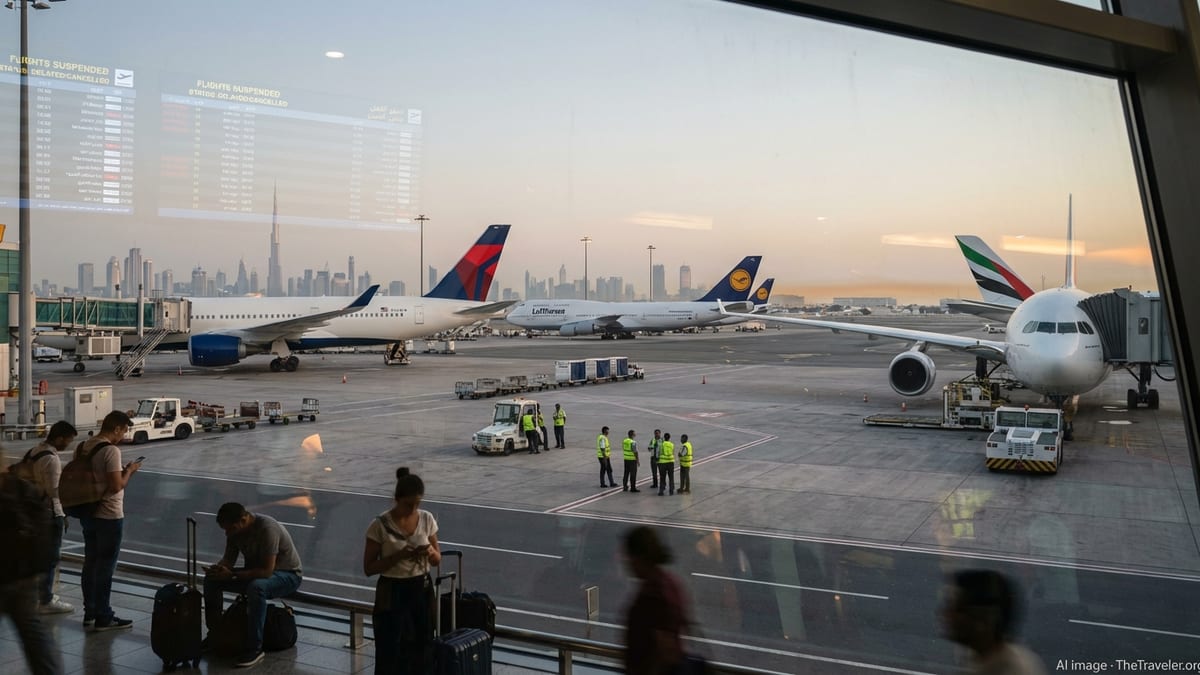
Widespread Disruptions Across Texas Airports
Publicly available tracking data for Sunday, May 17, indicates that a combined 385 flights experienced delays and at least eight were canceled across Texas’s largest metro hubs, including Dallas Fort Worth International Airport, Dallas Love Field, George Bush Intercontinental Airport in Houston, William P. Hobby Airport, and San Antonio International Airport. The irregular operations created pockets of congestion throughout the day as aircraft, crew and passengers fell out of position.
The impact was most visible at Dallas Fort Worth International Airport, a key hub for American Airlines, where a dense schedule of connections magnified the knock-on effects of even relatively short delays. Flight-status boards showed clusters of late departures and arrivals across domestic and international routes, with some services pushed back by more than an hour.
In Houston, disruptions were spread between George Bush Intercontinental, a major United Airlines hub, and Hobby Airport, a stronghold for Southwest Airlines. While the overall volume of cancellations remained limited, rolling delays and gate changes forced many passengers to rework tight connections or adjust ground transportation plans at short notice.
San Antonio International Airport, typically less congested than Dallas and Houston, also saw its schedule stretched as late-running inbound flights cascaded into subsequent departures. Travelers reported extended waits at gates and baggage carousels as airlines worked to reset operations and reposition aircraft.
Major Carriers Juggle Schedules and Connections
The delays were spread across multiple airlines, with American, United and Delta among those adjusting timetables and rebooking passengers. As the primary tenant at Dallas Fort Worth, American Airlines appeared particularly exposed, with late arrivals from smaller Texas cities and out-of-state markets feeding into an already compressed afternoon and evening bank of departures.
United Airlines, centered in Houston, experienced its own pressure points as late-running flights from other regions intersected with the Texas disruptions. Even where flights ultimately departed, schedule changes tightened connection windows, prompting some travelers to request alternate routings or later flights to avoid misconnecting.
Delta Air Lines, which operates a more limited schedule in Texas compared with American and United, was not immune. Delays affecting shared airspace and traffic flows can ripple across carriers, and passengers on Delta services into and out of Dallas, Houston and San Antonio reported revised departure times and aircraft swaps.
Regional partners and low cost airlines also felt the strain. Smaller jets operating feeder routes into the major hubs frequently arrived behind schedule, which in turn delayed return legs to secondary markets. This type of disruption tends to hit travelers headed to or from mid sized cities hardest, as they often have fewer alternative flights available on the same day.
Weather, Congested Airspace and Operational Complexity
While specific causes varied by flight, the pattern of delays across multiple airports pointed to a mix of contributing factors typical for late spring in Texas. Thunderstorms and unsettled weather can trigger temporary ground stops or slowdowns in air traffic, reducing the number of takeoffs and landings permitted per hour and forcing airlines to hold or reroute flights.
Texas’s concentrated air traffic network, anchored by Dallas Fort Worth and Houston’s Bush Intercontinental, means that a weather system or air traffic management restriction in one area can quickly spill over into others. When traffic to a hub slows, aircraft and crew may end up in the wrong place for subsequent flights, resulting in late departures even after weather has improved.
Operational data and prior coverage of similar events show that busy connection banks are particularly vulnerable. If an early inbound arrives significantly behind schedule, the aircraft may still be turned for its next flight, but passengers connecting from delayed services can miss the departure entirely, leaving airlines to rebook them on later flights or different routings.
These dynamics are amplified on Sundays, when many leisure travelers return home and business travelers position for Monday meetings. A high proportion of full flights leaves airlines with limited spare seats to absorb stranded passengers, increasing wait times for confirmed rebookings.
What Travelers Experienced on the Ground
Reports from passengers at Dallas, Houston and San Antonio described crowded gate areas, long lines at customer service desks and frequent loudspeaker announcements about changing departure times. Some travelers noted that their flights pushed back from the gate only to remain on the tarmac awaiting a departure slot, while others saw their flights’ estimated times of departure repeatedly updated over the course of the afternoon and evening.
In some cases, relatively minor delays of 30 to 60 minutes on departing flights translated into missed onward connections at the hubs. Travelers who had built in short layovers to minimize total travel time often found those buffers erased, leading to unexpected overnight stays or rebookings on early morning alternatives.
Airlines encouraged many passengers to self service through mobile apps and airport kiosks, where same day changes and standby listings were available on a space permitted basis. However, heavily booked flights limited options for those attempting to move to earlier or more direct services, and some travelers reported waiting extended periods to speak with an agent for more complex international or multi city itineraries.
At baggage claim, delays in unloading aircraft compounded the sense of disruption for arriving passengers. Bags from late arriving flights sometimes shared carousels with those from on time services, adding to crowding and lengthening the time required to locate luggage before continuing on by car, rideshare or rail.
Planning Ahead for Continued Spring and Summer Volatility
The disruptions across Texas highlighted the ongoing vulnerability of dense air travel corridors to a combination of seasonal weather and operational strain. Industry analysts have noted that airlines are operating with relatively tight spare capacity as they match schedules to robust demand heading into the peak summer travel period, leaving less margin to absorb irregular operations.
For travelers connecting through Texas hubs in the coming weeks, publicly available guidance from transportation regulators and consumer advocates emphasizes building in longer layovers, especially when traveling on separate tickets or to destinations with limited daily service. Flexible itineraries with earlier departures can provide more options if a flight is significantly delayed or canceled.
Travel news outlets also point to the value of monitoring flight status proactively on the day of departure and signing up for airline notifications. Early awareness of a developing delay can give passengers more time to evaluate alternatives, adjust ground transportation or contact accommodation providers if an overnight stay becomes necessary.
As airlines work to steady operations after the latest wave of delays and cancellations, conditions at Texas airports were gradually improving by late Sunday. However, with the region’s storm season ongoing and summer demand ramping up, passengers traveling through Houston, San Antonio, Dallas and Fort Worth are likely to face continued periods of congestion and schedule changes in the weeks ahead.