


More news on this day
Michigan is confronting an escalating bout of severe weather as successive rounds of thunderstorms bring damaging winds, large hail and torrential rain, sharply increasing flood risks from metro Detroit to the northern Lower Peninsula and Upper Peninsula.
Get the latest news straight to your inbox!
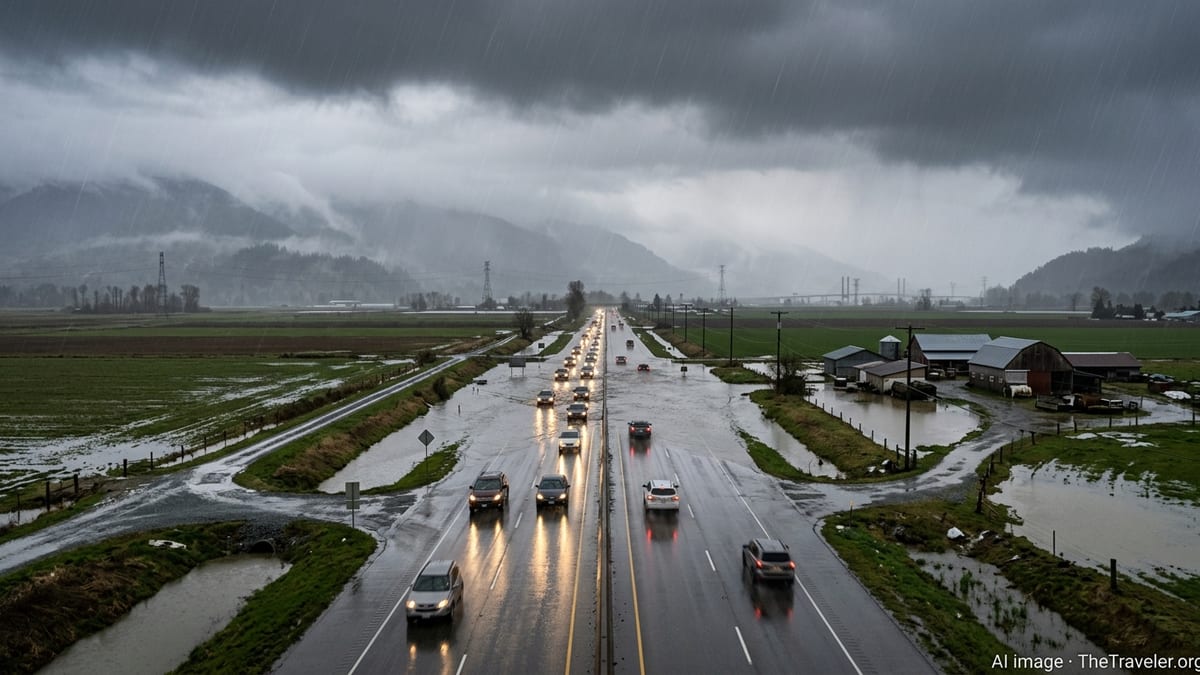
Multiple Rounds of Severe Storms Target the State
Forecast discussions and regional alerts for April 14 and April 15 indicate that nearly all of Michigan is under some level of severe weather risk, with the most intense conditions expected across the southern and central Lower Peninsula. The National Weather Service Storm Prediction Center has placed southeast Michigan under a slight to enhanced risk category at various times, reflecting the potential for organized severe thunderstorms capable of producing widespread hazards.
In the Detroit metropolitan area and along key highway corridors such as I-75, I-94 and I-696, radar and forecast guidance show lines of strong to severe storms moving in during the late evening and overnight hours. Coverage is expected in multiple waves rather than a single storm line, increasing the likelihood that already saturated areas will see repeated downpours, strong wind gusts and pockets of large hail.
Central and western Lower Michigan, including regions around Grand Rapids and Lansing, are also positioned for intense thunderstorms. Local reports from west Michigan on April 15 describe additional overnight storm activity, with heavy rain continuing even where the most severe cells have weakened, underscoring the prolonged nature of this event.
Farther north, a separate but related concern is emerging as recent rainfall and remaining snowpack contribute to rapid runoff. Northern Lower Michigan and parts of the Upper Peninsula are seeing persistent rain on top of elevated river levels, creating a statewide tapestry of severe weather threats that range from wind and hail to river flooding and dam stress.
Flood Watches Expand as Soils Saturate and Rivers Rise
Flood watches issued in recent days now cover a broad swath of Michigan, including much of northern Lower Michigan and significant portions of the southern and southeastern Lower Peninsula. Alerts shared through state and local channels describe a window from April 14 into April 16 when widespread rainfall totals of 1.5 to more than 3 inches are possible, with some locations in southern Michigan projected to exceed 4 inches where storms repeatedly track over the same areas.
In the Detroit region, publicly available information shows that a flood watch took effect on the evening of April 14 and extends through late Thursday night. Urban flooding is a primary concern there, with low lying neighborhoods, freeway underpasses and drainage-challenged intersections highlighted as vulnerable to fast accumulating water. Recent precipitation over the last 10 days has left the ground saturated across much of southeast Michigan, limiting the landscape’s ability to absorb additional rainfall.
To the north, the combination of heavy weekend rain and record or near record snowfall in March has placed rivers and dams under renewed pressure. Reporting on conditions in Cheboygan County notes that water levels near the Cheboygan Dam and Lock complex are being closely managed, with additional pumping equipment deployed to move excess water toward Lake Huron and reduce the risk of uncontrolled overflow.
River forecasts compiled by federal and state agencies point to continued rises on numerous waterways through the middle of the week. Even if rainfall rates ease temporarily between storm rounds, runoff from upstream basins is expected to keep river levels high, prolonging the threat of both minor and moderate flooding in several communities.
Damaging Winds, Large Hail and Tornado Potential Add to Hazards
While flooding is emerging as the most widespread risk, the current storm system is also primed to produce severe convective hazards. Forecasts for Tuesday night and early Wednesday highlight the potential for wind gusts reaching or exceeding 60 miles per hour across much of southern Michigan. Such gusts are strong enough to snap tree branches, topple weakened trees and bring down power lines, raising the prospect of scattered power outages during periods of heaviest storm activity.
Hail is another focus for forecasters and local meteorologists. Several outlooks describe the risk of hail near or above one inch in diameter, particularly in stronger supercell structures embedded within the broader storm line. Large hail can damage vehicles, shatter windows and strip foliage, and it presents an added hazard for anyone caught outdoors as storms move in after dark.
There is also a nonzero tornado threat, most pronounced in the southern Lower Peninsula where wind shear, instability and moisture are forecast to align for a period on Tuesday evening. While the overall tornado probability remains lower than the risk for damaging winds and hail, recent regional history has heightened sensitivity to any tornado mention. In early March, a powerful tornado in southern Michigan caused significant damage and prompted a state of emergency in several counties, providing a stark reminder of how quickly conditions can escalate.
Nighttime timing further complicates the risk profile. Publicly available safety guidance emphasizes that storms arriving after sunset can be more dangerous because many residents are asleep or less likely to monitor changing conditions. Emergency preparedness materials continue to highlight the importance of multiple ways to receive warnings, including weather radios, mobile alerts and local media.
Emergency Declarations and Preparedness Efforts Highlight Growing Climate Pressures
Recent actions at the state level underscore how a succession of extreme weather events is straining Michigan’s infrastructure and emergency response systems. On April 10, a state of emergency was declared for the Cheboygan Lock and Dam complex in northern Lower Michigan after rapid snowmelt and repeated bouts of heavy rain pushed water levels to concerning heights. That order followed earlier emergency declarations in March related to destructive severe storms and tornado damage in parts of southern Michigan.
These measures, chronicled in public records and executive orders, illustrate how flooding and severe convective storms are emerging as intertwined threats rather than isolated events. Winter and early spring episodes of heavy snow and ice across the northern half of the state are now being followed by abrupt thaws and intense rain, accelerating runoff into rivers and reservoirs that are already carrying high volumes of water.
Hazard mitigation plans developed by Michigan communities in recent years describe a trend of more frequent heavy rainfall days and more damaging warm season thunderstorms. Those documents point to costly past events involving flooded freeways in Detroit, basement backups during intense cloudbursts and multi million dollar damage from large hail and straight line winds in suburban counties around the metropolitan core.
The current multi day storm pattern fits that broader narrative, combining unseasonably warm air, deep moisture and a strong jet stream to produce both hydrologic and severe weather threats. As watches and warnings continue into midweek, the focus across Michigan is on protecting critical infrastructure, reducing exposure in flood prone areas and navigating yet another powerful spring storm system that is testing the state’s resilience.