


More news on this day
Flights between the Middle East and Europe have largely recovered in frequency and demand, yet airfares remain volatile, leaving value-conscious travelers wondering where genuine bargains can still be found.
Get the latest news straight to your inbox!
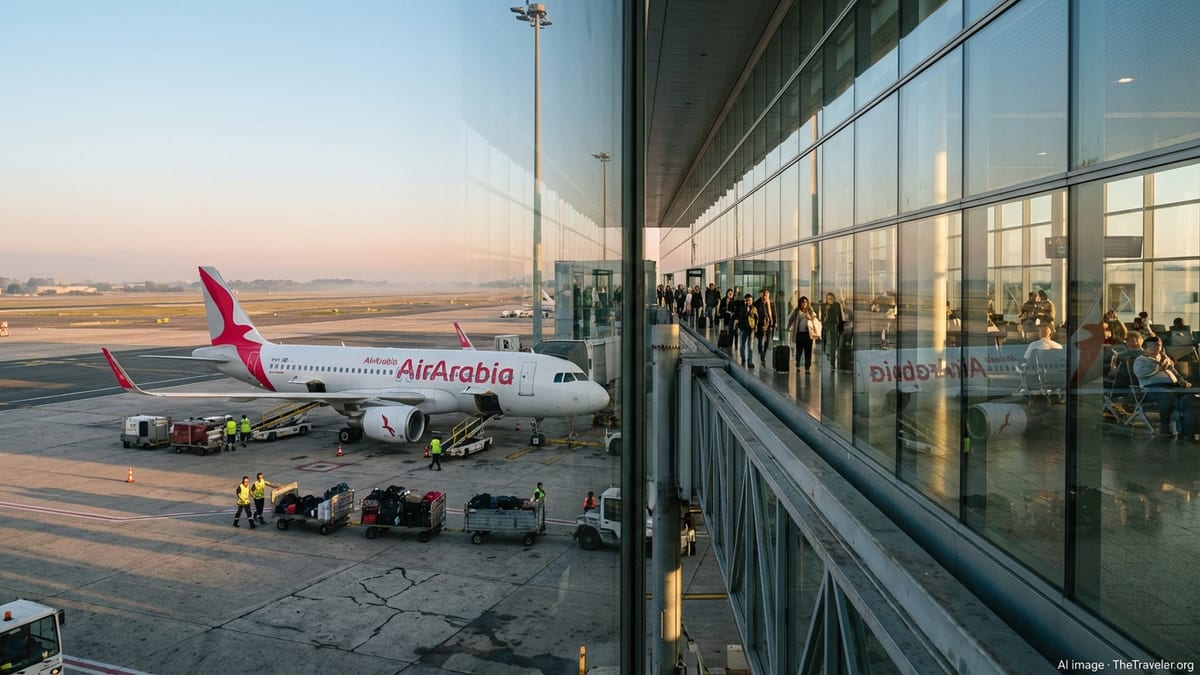
Capacity is back, but prices have not fully relaxed
Traffic between Middle Eastern hubs and European cities has bounced back strongly, with industry data showing double-digit growth in flight volumes compared with pre-pandemic levels. Airlines based in the Gulf and wider region have restored most of their European networks and, in some cases, added new city pairs. This has recreated the dense web of connections that once made one-stop routings via the Middle East an attractive alternative to nonstops.
At the same time, global economic pressures continue to keep average fares elevated. Analysis from aviation and airline associations for late 2024 and early 2025 points to higher fuel and financing costs, alongside airport charges and airspace constraints in Europe, as key reasons yields remain above 2019 benchmarks. While capacity is broadly back, airlines are seeking to maintain profitability, which means headline prices on busy summer dates can still surprise travelers who remember deep discounts from a decade ago.
For passengers originating in the Gulf or wider Middle East, this combination of restored connectivity and higher costs translates into a mixed picture. Peak-period nonstops to major European capitals can be expensive, but quieter travel days and emerging routes are starting to show more competitive pricing as carriers jockey for market share.
New Saudi routes intensify competition from Riyadh
Saudi Arabia is rapidly expanding its international aviation footprint, and that has direct implications for fares to Europe. The country’s long-established flag carrier has added and upgauged services, while newer operators connected to the Saudi capital have begun confirming launch dates and putting tickets on sale. Published coverage of recent filings and slot allocations indicates that Riyadh will be linked to multiple European gateways, including London, Paris and Madrid, as part of a broader strategy to turn the city into a global hub.
Reports from airline scheduling specialists and industry outlets show that flights from Riyadh to London are among the first to move from limited, largely internal operations to full public service using new widebody aircraft. Additional European destinations are scheduled to follow in quick succession, with several launched within weeks of each other over the coming season. Network maps and filings suggest initial frequencies of several flights per week, ramping up as more aircraft join the fleet.
This rapid build-up is designed to capture both point-to-point traffic between Saudi Arabia and Europe and connecting flows from South and Southeast Asia, Africa and the wider Middle East. For price-sensitive travelers, the key impact is competitive pressure on routes long dominated by a small number of legacy carriers. In the early months of new services, airlines commonly deploy promotional pricing to stimulate demand and build loyalty, which can translate into attractive economy and even premium cabin deals for those willing to route via Riyadh.
Low-cost carriers push deeper into Gulf–Europe markets
The growing presence of low-cost carriers on Middle East to Europe routes is another factor reshaping the fare landscape. Budget airlines based in Central and Eastern Europe have steadily expanded into the region over the past few years, launching point-to-point services from Gulf airports to cities across the EU and the United Kingdom. Their annual reports and capacity plans highlight the Middle East as one of the fastest-growing parts of their network.
In the United Arab Emirates, carriers such as flydubai have built extensive short and medium haul networks that now span well over a hundred destinations, including numerous European cities. Publicly available data and company disclosures show these airlines targeting secondary airports where fees are lower and turnaround times faster, a model that can support lower base fares. Combined with bare-bones service offerings, this creates opportunities for passengers who travel light and are flexible on airports and times.
However, low-cost seats are highly dynamic in price. Commentary from frequent travelers and independent analyses indicate that ultra-low fares appear irregularly and are often tied to specific midweek departures or shoulder-season dates. On popular holiday weekends or late bookings, some budget carriers can price at or above full-service rivals. Bargains do exist on Middle East to Europe legs, but they tend to reward early planning and willingness to accept tight baggage and change restrictions.
Where and when the best bargains are appearing
Several patterns are emerging in terms of where cheaper fares are most commonly found. Routes linking Gulf or Saudi hubs to secondary European cities, rather than headline capitals, often show more aggressive pricing as airlines try to seed new markets. Examples include services into regional airports in Central and Eastern Europe, or into secondary airports serving major metropolitan areas. Because these routes are still building brand recognition, carriers are more likely to use discounted economy fares as a marketing tool.
Seasonality is another critical driver. Industry reports on European aviation trends point to pronounced peaks around summer holidays, major events and school breaks, when load factors routinely climb above 80 percent. Outside those windows, particularly in late autumn and parts of winter, airlines have more seats to fill, and fare-discovery tools frequently surface competitive one-stop options via Gulf or Saudi hubs that undercut direct flights on Western European carriers.
Timing of purchase also matters. Experience-based reports from travelers and price-tracking platforms suggest that buying tickets several weeks to a few months in advance still captures many of the lowest tariffs on low-cost and hybrid airlines. For full-service carriers, sale periods tied to national holidays or network anniversaries sometimes deliver value on Europe-bound flights originating in the Middle East, particularly when purchased as part of return itineraries.
How to hunt for value on revived Mid-East–Europe routes
The rebound in capacity means travelers now have more choice of routings than at any point since before the pandemic, but finding genuine bargains requires a targeted approach. Comparing fares across both traditional Gulf network airlines and newer Saudi and budget operators is essential, as the cheapest ticket on a given day may not come from the same carrier or hub that was most affordable in the past.
Travel experts and fare analysts consistently highlight flexibility as the single most important tool. Shifting departure by a day or two, flying midweek instead of at the weekend, or accepting an indirect connection via Riyadh, Jeddah, Dubai or Abu Dhabi can cut the price significantly, particularly when competing carriers overlap on the same city pair. Monitoring new-route announcements and introductory sales, especially from emerging Saudi operators and expanding European low-cost carriers, can uncover temporarily discounted fares before they normalize.
In practical terms, this means using multi-city search tools, experimenting with different origin and destination airports within reasonable ground-transfer distance, and paying close attention to baggage and ancillary fees that can erode apparent savings. For travelers prepared to navigate these variables, the revival of Middle East to Europe flights is not just a return to pre-crisis connectivity but a renewed opportunity to secure competitively priced seats across a growing range of airlines and routes.