


More news on this day
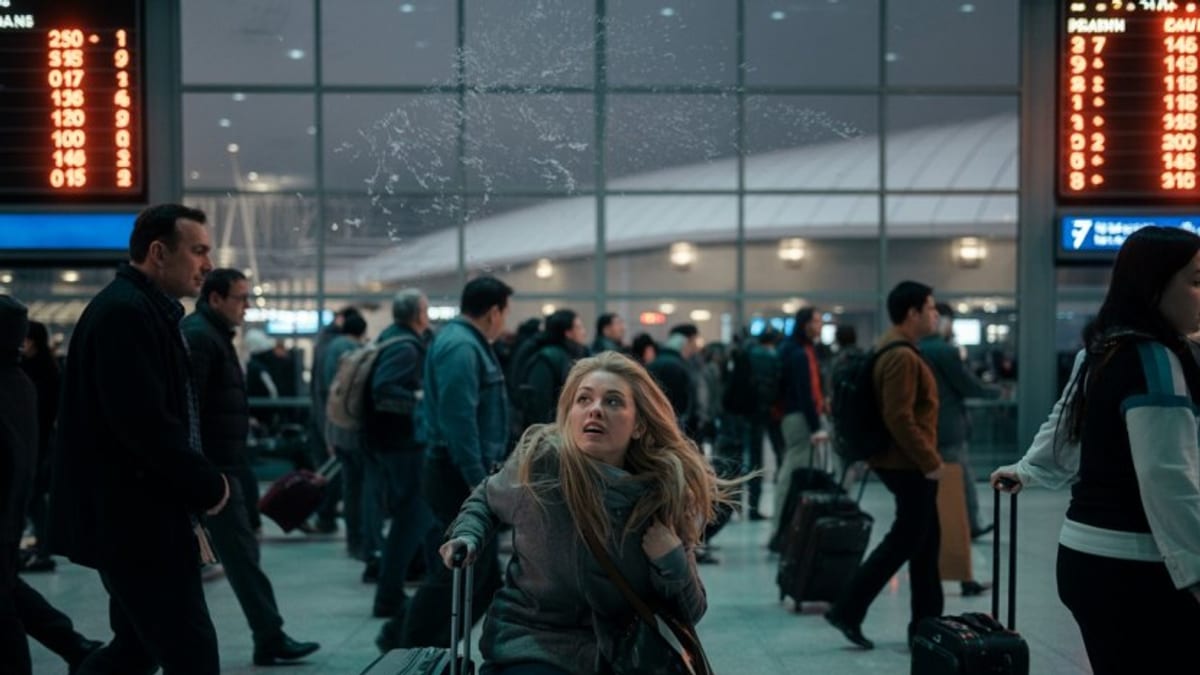
Passengers at Chicago Midway International Airport faced a cascade of disruptions on Friday, with publicly available data showing well over one hundred delays and several cancellations affecting Southwest, Delta, Frontier, Porter, Allegiant and other carriers on routes linking Chicago with Dallas, Las Vegas, Denver, Atlanta and other major US destinations.
Get the latest news straight to your inbox!
Operational Strain Hits Midway as Summer Demand Builds
Chicago Midway, a key base for Southwest and an important station for Frontier, Allegiant, Porter and Delta, entered the busy June travel period under heavy operational strain. Airport performance boards and third-party tracking services on June 12 indicated around 165 delayed flights and at least seven cancellations tied to Chicago operations, with Midway at the center of the disruption pattern.
The knock-on effects extended beyond Illinois. Delayed departures from Chicago pushed back arrival times in connecting cities, congesting gates and tightening turnaround windows. Routes to and from Dallas, Las Vegas, Denver and Atlanta were among those showing significant schedule changes, compounding pressure on airline operations already running near peak summer capacity.
While the number of outright cancellations remained modest compared with the broader schedule, the volume of delays created uncertainty for travelers with tight connections, as well as for those departing later in the day from secondary airports that depend on aircraft and crews originating in Chicago.
Southwest and Low-Cost Carriers Bear the Brunt
Southwest Airlines, which operates the majority of Midway flights, appeared to shoulder a large share of the disruption. Flight-status dashboards showed multiple Southwest departures between Chicago and other major hubs such as Dallas Love Field, Denver and Atlanta operating behind schedule, with some services arriving more than an hour late. The carrier’s dense point-to-point network means even relatively short delays can quickly echo across multiple cities.
Low-cost competitors were also affected. Frontier and Allegiant, which have expanded their presence at Midway in recent years, saw schedule changes on routes linking Chicago with leisure destinations, notably Las Vegas and several sun markets. Porter Airlines, a newer entrant at Midway with a growing US footprint, also faced timetable adjustments as aircraft and crews cycled through delayed operations.
Budget airlines typically run tighter schedules and rely on high aircraft utilization, leaving less room to absorb extended ground holds or arrival delays. As a result, even a small cluster of late operations at a single airport can cascade into a network-wide challenge, particularly on Fridays when planes are heavily booked and spare capacity is limited.
Major Hubs Feel the Ripple Effect
The impact of Midway’s rough day was visible at other US airports that are tightly connected to Chicago by frequent services. Tracking data indicated notable delays on flights linking Midway with Dallas, Denver, Atlanta and Las Vegas, routes that serve both business travelers and weekend leisure passengers.
In Dallas, some inbound Chicago services were recorded arriving late, compressing turnaround times for subsequent departures and forcing ground teams to adjust boarding and crew schedules. In Denver, which sits at the intersection of several national route networks, late Chicago arrivals threatened to squeeze already busy afternoon departure banks.
Las Vegas and Atlanta, both large leisure and connection markets, likewise experienced staggered arrival and departure patterns for Midway-linked flights. The net effect across these hubs was a patchwork of rolling delays, where individual flights might depart close to on time while neighboring services remained significantly behind schedule, complicating the travel experience for passengers attempting to gauge their actual departure and arrival windows.
Weather, Congestion and Tight Schedules Under Scrutiny
While the precise combination of factors behind Friday’s disruptions had not been fully detailed in early public reporting, the pattern resembled previous days when a mix of localized weather issues, air traffic flow constraints and packed flight schedules contributed to irregular operations. Federal aviation advisories and airport dashboards pointed to periods of congestion in the Chicago area, conditions that often prompt ground holds or speed restrictions for arriving and departing flights.
Industry data from recent years shows that airlines such as Southwest, Delta, Frontier and Allegiant, although often delivering strong on-time performance, remain vulnerable to system-wide knock-on effects when a key node like Chicago experiences capacity constraints. With aircraft typically scheduled to make multiple legs per day, a delay on the first or second sector can propagate across the network, affecting travelers far from the original problem point.
Publicly available consumer reports and historical performance statistics also highlight how national aviation system delays, late-arriving aircraft and congested airspace consistently rank among the main contributors to flight disruption in the United States. Friday’s Midway episode appeared to follow that well-established pattern, albeit focused on a specific set of carriers and hubs at the start of a busy summer weekend.
Travelers Face Missed Connections and Rebookings
For travelers, the operational challenges translated into missed connections, rebookings and extended waits in terminal areas. Passengers on early-morning or midday flights out of Midway ran into the greatest uncertainty, as delays built through the day and reduced the number of viable same-day alternatives on already full services to popular destinations.
According to airline advisories and airport guidance, affected customers were encouraged to monitor flight-status tools closely, sign up for carrier alerts and consider adjusting travel plans where possible. Some carriers made limited use of flexible change policies to help passengers reroute through alternative airports or onto later departures when seats were available, although capacity was tight heading into the weekend.
With summer holiday travel ramping up, aviation analysts note that Friday’s Midway disruptions serve as an early reminder of how quickly conditions can deteriorate across multiple cities when a single busy airport encounters capacity constraints. Travelers planning to pass through Chicago or other major hubs in coming days are being urged, in public-facing guidance, to allow extra time, prepare for potential schedule changes and keep contingency plans in mind.