


More news on this day
Fast-developing summer storms across the Midwest are casting a cloud over Chicago’s Lollapalooza 2026 festival, with unsettled forecasts raising the risk of schedule changes in Grant Park and potential ripple effects for flights at O’Hare International Airport.
Get the latest news straight to your inbox!
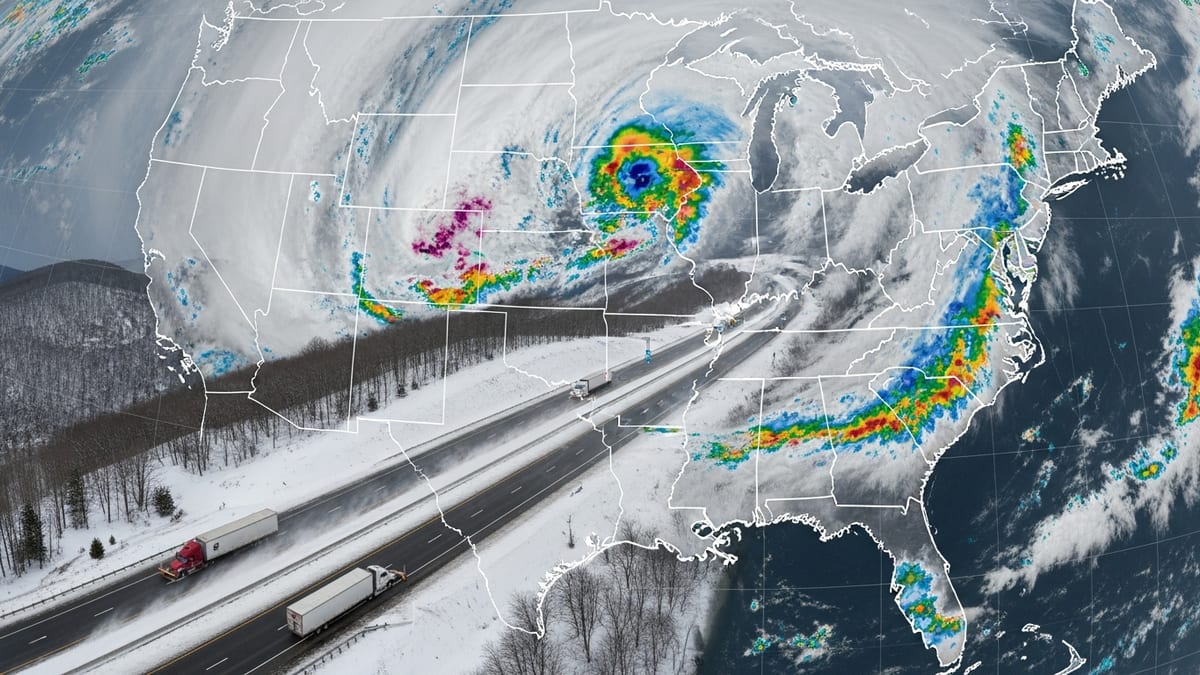
Stormy Pattern Shadows a Major Festival Weekend
Weather outlooks for the first weekend of August indicate a classic Midwest pattern of heat, humidity and fast-building thunderstorms, a combination that often brings brief but disruptive downpours to Chicago. Public forecasts highlight an elevated chance of showers and embedded storms pushing across the region during key festival hours, after a largely dry and mild opening day for Lollapalooza 2026.
Short-range projections show that daytime temperatures in central Chicago are expected to remain in the 70s and low 80s Fahrenheit, but with thick cloud cover and passing rain bands likely at times. Organizers and festivalgoers are watching for any stronger cells that could produce lightning in the vicinity of Grant Park, a scenario that has forced temporary evacuations or pauses at previous editions of the event.
Social media posts and fan forums dedicated to Lollapalooza have already zeroed in on Saturday as the most concerning day, with some forecasts flagging near-certain rain chances during peak afternoon and evening sets. While precise storm timing often shifts within hours of an event, the broader signal points to a volatile atmosphere over the western Great Lakes, leaving planners little choice but to prepare for on-the-fly adjustments.
Local weather discussions also reference a humid, almost tropical feel around Chicago this summer, with rapid swings from bright sunshine to intense thunderstorms and back again. That kind of setup can produce fast-moving cells that clear as quickly as they form, complicating decisions about whether to suspend outdoor performances or reopen gates.
Grant Park Faces Familiar Lightning and Safety Dilemmas
Grant Park has decades of experience hosting large, weather-exposed gatherings, from music festivals to civic events, and Lollapalooza operates under established severe-weather protocols. Publicly available information about past festivals shows that organizers typically pause performances and move crowds toward exits or designated safer areas when lightning is detected within a set radius of the park.
Historic coverage of previous Lollapalooza editions describes how sudden mid-summer storms have led to staggered entry times, stage shutdowns and, in some cases, partial cancellations of headline sets. Those precedents, combined with this weekend’s storm risk, suggest that attendees may once again be asked to navigate rapid schedule changes and longer walks through wet, muddy grounds.
Festival guides and city preparedness materials routinely urge visitors to bring lightweight rain gear, packable layers and shoes that can cope with standing water, given Chicago’s often changeable lakefront weather. That advice is resonating again this year as fans trade packing lists and contingency plans online, with some noting that even a brief thunderstorm can leave sections of the park slick and difficult to traverse.
Because Lollapalooza spans multiple stages spread across Grant Park’s open lawns and paved areas, any decision to halt performances for lightning or high winds tends to affect the entire site rather than a single corner of the grounds. In a storm-threatened year, that integrated footprint increases the stakes of each weather call, heightening the potential for crowding at exits and transit points when a sudden pause is announced.
O’Hare Braces for Possible Ripple Effects in the Skies
While festival organizers focus on Grant Park, aviation watchers are scrutinizing what the same storm system could mean for O’Hare International Airport, one of the country’s busiest hubs at the height of the summer travel season. Thunderstorms in and around O’Hare have a documented history of triggering ground stops, runway flow restrictions and extended tarmac waits, even when actual rainfall at the terminal is brief.
Past operational data and public reporting on O’Hare show that convective weather often forces air traffic managers to throttle arrivals and departures, leading to delays that cascade well beyond Chicago. Summer 2026 planning documents and recent federal analyses of hub congestion highlight the sensitivity of large airports to thunderstorm clusters that briefly block key approach paths across northern Illinois.
Recent weeks have already provided examples of how volatile conditions can snarl operations at the airport. Travelers posting on aviation and airline forums have described sitting on aircraft for hours during lightning holds, diversions to regional fields when storms park over the airfield, and late-night queues as carriers work through backlogs once cells pass. Those experiences are fresh in the minds of passengers heading to the city for Lollapalooza or connecting through Chicago this weekend.
With storms again in the forecast, publicly available guidance from airlines and travel advisers emphasizes monitoring flight status frequently, building extra connection time into itineraries and considering earlier arrivals where possible. Even if the most intense weather skirts the immediate airport footprint, scattered thunderstorms in the broader Midwest can still disrupt traffic flows into and out of O’Hare.
Travelers and Festivalgoers Pivot to Backup Plans
As conditions evolve, Chicago visitors are increasingly weighing contingency plans on the ground. Online travel communities focused on Lollapalooza and summer city breaks include posts from attendees debating whether to adjust arrival times, change hotel dates or swap airport shuttles for trains and rideshares if weather slows traffic on approach roads.
Festival-specific discussions reflect a similar shift in tone, from outfit planning and stage-hopping strategies to more pragmatic questions about electricity-safe shelters, nearest exits and nearby indoor venues. Some attendees share past experiences of being briefly evacuated from the park during lightning, pointing to the importance of staying aware of public address announcements and official social channels rather than relying solely on generic weather apps.
Citywide, hospitality businesses in the Loop and South Loop are also monitoring the outlook, as rain-sensitive events can influence restaurant reservations, bar traffic and demand for rides late at night. Even when storms are short-lived, saturated ground and puddled sidewalks may lead more festivalgoers to linger indoors between sets or seek earlier refuge in nearby hotels.
Travel commentators note that, for visitors who remain flexible, unsettled weather can also alter the experience of the festival in less negative ways. Cooler temperatures under cloud cover can make long days on the lawn more bearable than the intense heat that has characterized some other Lollapalooza years, as long as lightning and high winds stay limited.
Uncertain Skies, Watchful Weekend Ahead
For now, forecasters and event planners are aligned on one central point: uncertainty. Short-term prediction models can highlight windows of elevated storm risk, but Chicago’s proximity to Lake Michigan and its position within wider Midwest storm tracks mean that individual thunderstorm cells may still surprise even experienced meteorologists.
Publicly shared weather briefings stress the need to keep checking updated radar and official advisories throughout the weekend, especially for anyone responsible for managing large outdoor gatherings. In the case of Lollapalooza, that translates into continued monitoring of festival communication channels for any adjustments to gate times, performance schedules or temporary closures.
For air travelers, the same advice holds in the air and on the ground. With O’Hare serving as a critical node in national and international networks, even modest storm-related delays can ripple outward across multiple time zones. Passengers bound for Chicago over the coming days are being encouraged by airlines and travel resources to verify departure times repeatedly, prepare for rebooking scenarios and keep essential items in carry-on bags in case of overnight disruptions.
As the weekend unfolds, the balance between entertainment and safety will remain central for both the festival inside Grant Park’s fences and the enormous transportation operation orbiting O’Hare. Whether the storms deliver only passing showers or more serious interruptions, the eyes of music fans and frequent flyers alike will stay fixed on the changing Chicago sky.