


More news on this day
A minor freight train derailment in Morgan County, Tennessee, reported on July 4, has drawn renewed attention to rail safety only weeks after a separate crash in the same county released large quantities of alcohol and fueled a trackside fire.
Get the latest news straight to your inbox!
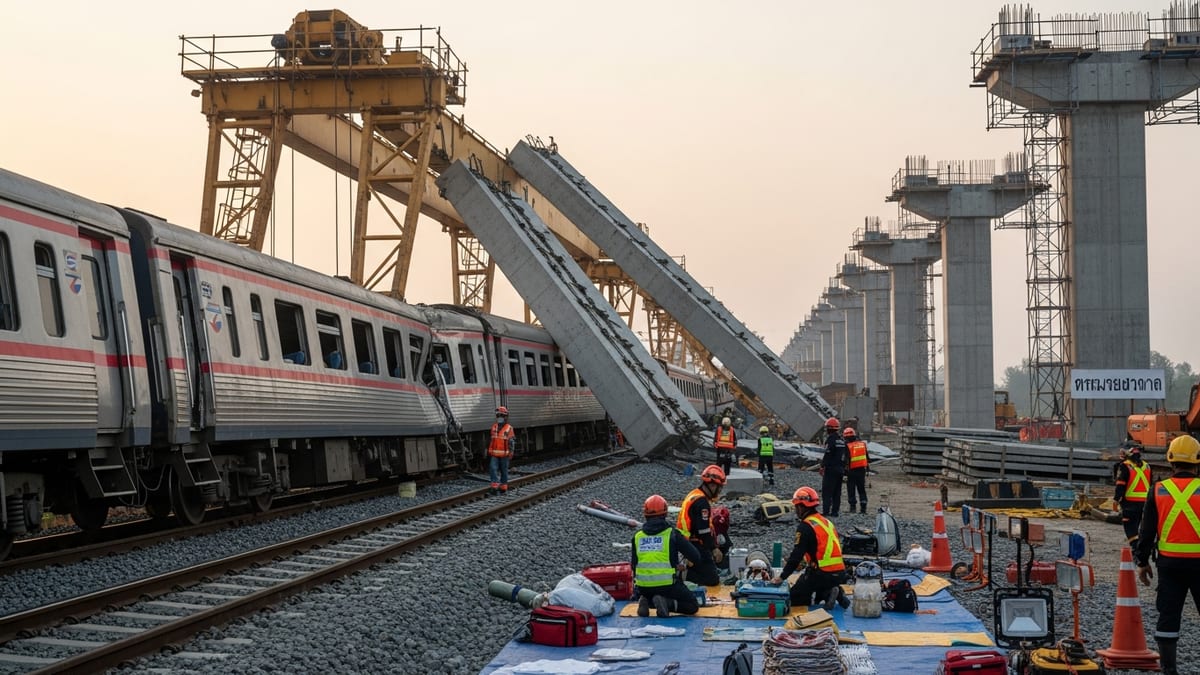
Latest Incident Described as Minor, With No Injuries Reported
Published coverage indicates that the most recent derailment involved a small number of railcars leaving the tracks in a rural part of Morgan County. Initial reports describe the event as minor, with no injuries and no immediate signs of a hazardous materials release.
Video segments shared by regional broadcasters show freight cars off the rails but largely intact, with responders monitoring the area and inspecting the train consist. Reporting indicates that the derailed cars were not carrying the large volumes of flammable liquid involved in the earlier crash.
Rail traffic through the corridor experienced delays while crews assessed the damage and began rerailing work. Publicly available information suggests that road closures were limited and that evacuations were not required, in contrast to the response mounted for the alcohol spill several weeks earlier.
As of the latest updates, investigations into the precise cause of the minor derailment remain in the early stages, with track conditions, train handling and recent weather patterns among the factors likely to be reviewed.
Weeks After Major Alcohol Spill and Fire Near Lancing
The new incident comes on the heels of a much more serious derailment in June near Lancing, also in Morgan County, in which multiple tank cars carrying ethanol or denatured alcohol left the tracks, ruptured and burned. According to previous local and regional coverage, that earlier crash triggered a large fire, a temporary evacuation zone and air and water quality monitoring along a nearby river corridor.
Reports from that June derailment indicate that environmental crews deployed booms along the waterway to contain spilled alcohol and contaminated runoff. Federal summaries describing recent alcohol and ethanol derailments note that such products are highly flammable yet tend to disperse or biodegrade more readily in water than some other industrial chemicals, though short term impacts on aquatic life and localized oxygen depletion can still be concerns.
Publicly available information shows that, in the weeks since the June crash, agencies continued to test air and water in the affected area and maintained an advisory for river users while cleanup operations progressed. The appearance of a second, even minor, derailment so soon afterward is therefore drawing attention from residents, outdoor businesses and travelers who rely on the county’s roads, rivers and rail-adjacent recreation sites.
The pairing of a high profile alcohol spill and a follow on minor derailment in the same county within a matter of weeks is unusual and has amplified calls in published commentary for a closer look at traffic volumes and routing decisions for trains moving hazardous liquids through the region.
Rail Corridor Serves Rural Communities and Outdoor Tourism
Morgan County sits on the edge of the Cumberland Plateau, an area known for state natural areas, hiking trails and paddling routes that attract visitors from across Tennessee and neighboring states. The rail line involved in both the June spill and the July 4 derailment threads through forested valleys, river crossings and small communities that often serve as gateways for outdoor tourism.
Travel oriented publications and local tourism materials frequently highlight the region’s scenic drives and rail side vistas, while also acknowledging the presence of freight corridors that carry commodities such as alcohol, fuel and industrial materials. Recent events have placed those overlapping uses under a sharper spotlight, as visitors encounter rail cleanup activity near trailheads, bridges and rural road crossings.
According to public scheduling and route information, the corridor functions as a key east west link for trains connecting larger hubs in Tennessee and the broader Southeast. That role helps explain the presence of long trains transporting tank cars of flammable liquids through relatively remote sections of the plateau, even as the local economy leans heavily on outdoor recreation, small lodging businesses and seasonal events.
For travelers planning trips in the area, recent coverage suggests monitoring local news outlets and county emergency updates for any temporary trail, road or river access changes linked to rail incidents or cleanup work. While the latest derailment is described as minor, it contributes to a broader conversation about how freight operations intersect with rural destinations marketed for their natural settings and quiet landscapes.
Safety Scrutiny and Federal Oversight Following Ethanol Crash
The larger June alcohol spill prompted attention from federal rail safety officials and environmental agencies, according to publicly released summaries describing an ethanol train derailment in Morgan County and similar incidents elsewhere. Those documents outline standard steps that typically follow such crashes, including track inspections, train consist reviews, and evaluations of whether additional buffer cars or routing restrictions are warranted when flammable liquids move through sensitive areas.
Federal investigations into ethanol or denatured alcohol derailments in other states have highlighted recurring themes such as track maintenance, inspection regimes and the configuration of trains carrying blocks of tank cars. In some cases, reports point to cracked rail components or joint bars that were not detected in time, while in others the focus falls on train handling on grades, curves and variable track conditions.
In Morgan County, the presence of two derailments in quick succession is likely to intensify interest in the condition of this specific corridor, the volume of hazardous materials movements and the adequacy of contingency planning for nearby communities and recreation sites. Travel industry observers note that, while such events remain rare relative to the total number of trains operating each year, they can have an outsized impact on public perception, especially when dramatic fire scenes or river booms appear in images from rural destinations.
Public information describing recent cleanups of denatured alcohol spills underlines that long term environmental damage is often limited when containment is swift and weather conditions are favorable. Even so, the need for river advisories and evacuation zones during the June crash demonstrates the potential for disruption when hazardous cargoes derail near waterways and camping areas that draw visitors in peak season.
Travel Outlook and Community Response
Early indications are that the minor July 4 derailment did not cause the kind of sustained closures or evacuations that would significantly alter travel plans across Morgan County. Road and rail disruptions appear to be localized, and there have been no widely reported long term restrictions on lodging or park access linked specifically to the latest incident.
Local businesses and destination marketing efforts, however, now face the challenge of reassuring prospective visitors following two rail related headlines in a short span of time. Travel and outdoor recreation outlets covering the region are emphasizing that day to day operations at trailheads, outfitters and campgrounds remain largely normal, while still acknowledging the heightened interest in rail safety.
Community discussions documented in public forums and news commentaries reflect a mix of concern and pragmatism. Residents and regular visitors are weighing the economic importance of freight corridors against expectations for robust maintenance, transparent reporting on cleanup progress and clear communication whenever incidents occur.
For travelers considering Morgan County and the Cumberland Plateau in the coming weeks, available information suggests that it remains a viable destination, with the recent minor derailment primarily reinforcing existing debates over how to balance industrial transport needs with the appeal of quiet, rail side landscapes and river routes that underpin the local tourism economy.