


More news on this day
Published coverage from Nigeria indicates the chief operating officer of Bi-Courtney Aviation Services Limited, operator of Lagos’ Murtala Muhammed Airport Terminal Two (MMA2), is urging a more coordinated airport slot system as a practical way to reduce recurring flight delays, cancellations, and passenger congestion at one of the country’s busiest domestic gateways.
Get the latest news straight to your inbox!
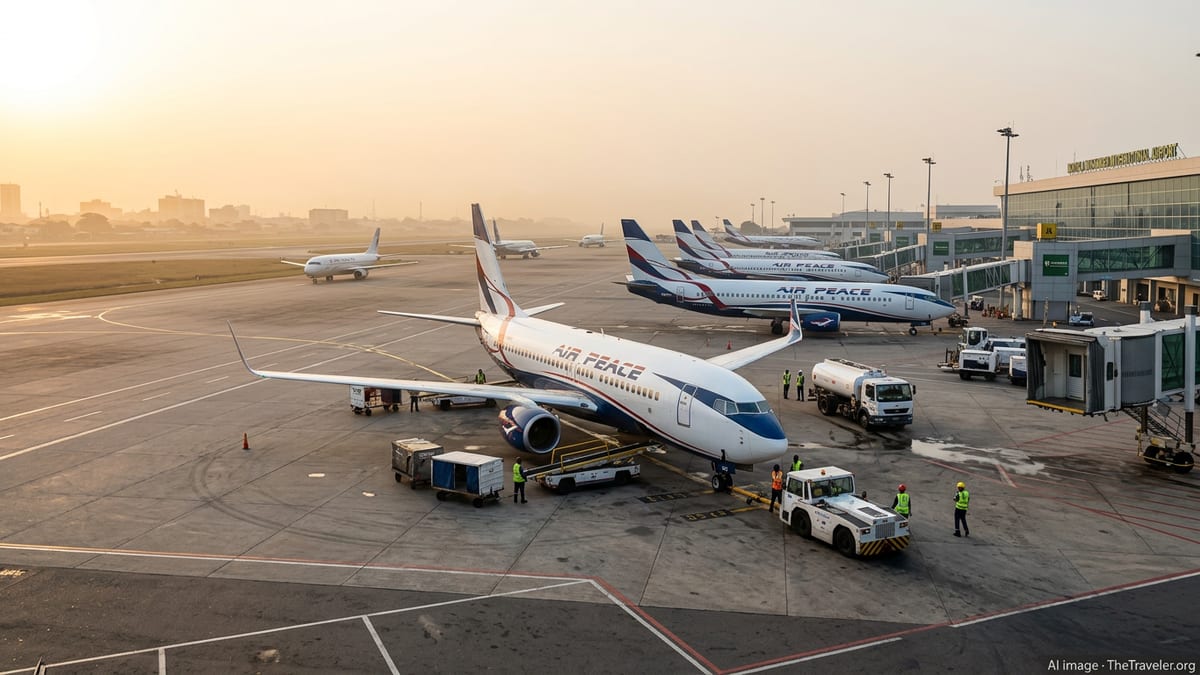
Why slots are back in focus at Lagos’ domestic terminals
The call is tied to a familiar pain point for travelers: multiple flights scheduled into the same peak windows, followed by gate and apron crowding, missed connections, and long waits when aircraft arrive late or equipment issues cascade through the day. In the MMA2 comments reported this week, the operator framed the problem as bigger than any single airline, arguing that schedule discipline and earlier information-sharing can help the entire ecosystem plan around disruption.
Airport slots are not simply a timetable preference; they are a demand-management tool used worldwide to match flight schedules to constrained resources, such as runway movements, terminal stands, gates, and ground-handling capacity. Where coordination is weak, airlines can end up with overlapping schedules that exceed what the terminal, apron, or baggage and passenger-processing areas can handle at once, even if the airport itself is technically open and staffed.
In Lagos, additional complexity comes from how domestic operations are split across MMA2 and the General Aviation Terminal (often called MMA1), a setup that local coverage has linked to passenger confusion and operational inefficiencies when travelers head to the wrong facility or when operational decisions shift at short notice.
What MMA2 says a coordinated slot system would change
According to the reported remarks, the MMA2 operator is advocating stronger coordination among airlines, airport operators, ground handlers, and other stakeholders so delays and cancellations can be managed earlier and with fewer surprises at the terminal. The logic is that when an airline anticipates a late inbound aircraft or a technical disruption, proactively adjusting departure sequences and stand assignments can prevent knock-on congestion.
Published coverage also points to MMA2’s earlier 2026 announcement that the terminal would introduce a structured slot system intended to balance demand with capacity, improve aircraft movement coordination, reduce peak-period congestion, and support operational planning for ground-handling firms. In practical terms, such systems typically aim to spread departures and arrivals more evenly across available windows, reducing clustering that overwhelms check-in, security, boarding gates, and baggage systems.
The reported comments further emphasize passenger management. When disruptions are not communicated early, frustration builds in crowded departure halls, and frontline airport staff can become the nearest target for anger even when they are not responsible for the triggering event. A more predictable slot plan, paired with earlier disruption notices, can make it easier to stagger queues and keep passenger flows moving.
How slot discipline links with passenger rights and service standards
One reason coordination matters is that delays do not just create operational problems; they also trigger service obligations. Nigerian aviation consumer guidance includes expectations around passenger care for certain delay durations, and the MMA2 operator’s comments referenced aligning planning with regulator recommendations on how passengers should be supported during extended delays.
From a traveler perspective, the biggest day-of-travel impact of a workable slot regime is not the policy document itself, but the reduction of uncertainty. When departure banks are reshaped to fit actual capacity, airlines have more reliable turnaround times, ground handlers can stage staff and equipment more efficiently, and airports can plan security and landside flows based on realistic peaks rather than optimistic schedules.
That said, a slot system does not eliminate all delays. Weather, air traffic management constraints, late-arriving aircraft, and technical faults can still disrupt schedules. The value comes from limiting how many flights are set up to fail at the same time and ensuring that when disruption happens, there is a coordinated playbook for resequencing rather than ad hoc decisions made too late to prevent terminal crowding.
Infrastructure and operations pressures around Lagos Airport
The MMA2 slot discussion arrives while publicly available information shows wider operational work is underway at the broader Lagos airport complex. The Federal Airports Authority of Nigeria has published details about rehabilitation and expansion activity at the international terminal area, including plans aimed at improving passenger flows and reducing congestion through reconfigured processing areas and better connectivity between terminals.
Even though MMA2 is a separate domestic terminal, travelers experience the airport as one destination: road access, parking, terminal wayfinding, and crowd control all influence how disruptions feel. When flights bunch at the same time, landside congestion can increase as well, with knock-on effects for drop-offs, pickups, and passengers trying to move between facilities.
Local reporting has also highlighted the challenges created by split domestic operations across terminals, particularly for infrequent flyers and visitors. Any slot coordination push that reduces last-minute changes and improves schedule predictability can help limit misdirected passengers and the resulting crowding at counters and entry points.
What travelers should watch for next
For passengers, the immediate question is whether coordinated slot practices will translate into visible changes, such as fewer simultaneous boarding calls, shorter security surges at peak periods, and clearer delay communication when an inbound aircraft is running late. The MMA2 operator’s push suggests a preference for structured planning rather than informal arrangements, with coordination extending beyond airlines to ground handlers and airport operations teams.
In the near term, travelers flying through Lagos’ domestic terminals can expect the most meaningful improvements to come from operational discipline: adherence to assigned departure windows, earlier rescheduling when disruptions are inevitable, and better terminal messaging to prevent crowding. Longer-term relief typically requires a blend of infrastructure improvements and mature collaborative processes, where schedule approvals, stand planning, and passenger-flow management are treated as one integrated system rather than separate responsibilities.
As airlines publish seasonal timetables and demand rises around holidays, the pressure to schedule popular early-morning and late-afternoon banks tends to intensify. Whether a coordinated slot system can hold during those peaks will be a key test, and travelers may see the first signs in how consistently flights depart within their planned windows when the terminal is at its busiest.