


More news on this day
Prime Minister Narendra Modi delayed his departure from Delhi airport on Sunday by around 45 minutes, in a move aimed at easing traffic congestion for students traveling to the high-stakes NEET-UG 2026 re-examination being held across India and at select overseas centers.
Get the latest news straight to your inbox!
Airport Hold to Keep Roads Clear for Candidates
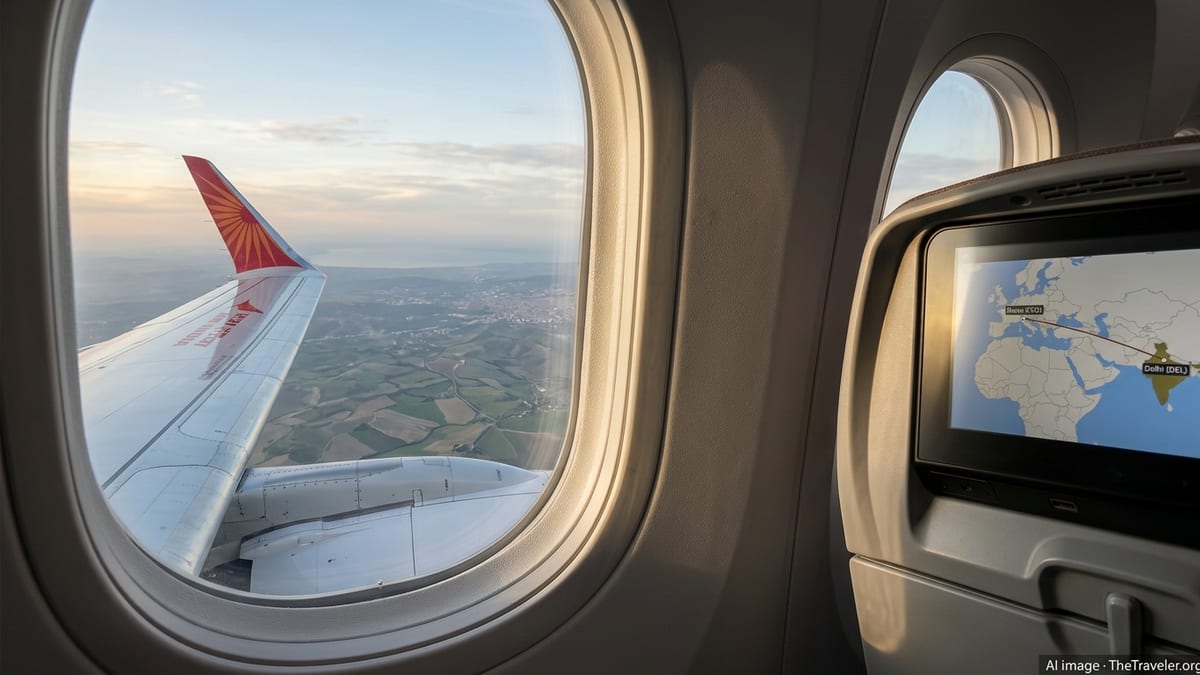
According to multiple news reports, Modi’s aircraft remained on the ground at Delhi airport after landing at about 1:15 p.m. local time, with his convoy held back until after the re-exam officially began at 2 p.m. The brief pause was described as an effort to avoid the rolling traffic restrictions that typically accompany a prime ministerial movement in the capital.
Coverage in Indian media indicates that the decision was designed to minimize disruption for thousands of candidates and their families making last-minute trips to examination centers in and around Delhi. With the start time of the re-exam fixed and gates closing well before the afternoon session, any traffic slowdown could have risked students reaching centers late.
Television footage and social media posts amplified the episode, presenting it as a symbolic gesture during a tense national exam cycle. Supportive reactions framed the move as a sensitive acknowledgment of student concerns, while critical commentary questioned whether such gestures address deeper issues around exam management and accountability.
The episode took place against a backdrop of heightened security and logistical scrutiny in the capital, where local administration and police had already been instructed to manage traffic around major exam hubs and ensure that candidates could access centers smoothly.
Re-NEET 2026: High-Stakes Test After Paper Leak
The re-examination for the National Eligibility cum Entrance Test for undergraduates, widely known as NEET-UG, is being conducted on June 21 after the original test held on May 3 was canceled following allegations of a question paper leak. Publicly available information from national coverage shows that the central government approved a fresh exam to protect the integrity of the medical entrance process.
NEET-UG serves as the gateway for admission to undergraduate medical, dental, and AYUSH programs in India, and also applies to certain overseas examination locations. The exam is widely regarded as one of the country’s most competitive, with more than 22 lakh aspirants registering for the 2026 cycle, based on figures shared by examination authorities ahead of the re-test.
The cancellation and subsequent re-scheduling have had far-reaching implications for students, many of whom had already spent years in preparation. Commentaries in education-focused outlets and student forums describe an atmosphere of uncertainty and strain, with candidates juggling backup entrance tests for other universities and institutes alongside the re-NEET date.
Legal challenges and public debate around exam integrity, alleged leaks, and mental health pressures on aspirants have kept NEET at the center of India’s education news for weeks. The decision to conduct a nationwide re-test has been portrayed as both a corrective step and an additional burden for candidates who were satisfied with their original performance.
Extraordinary Security and Surveillance at Exam Centers
For the re-exam, the National Testing Agency has rolled out significantly expanded security and monitoring arrangements. Reports indicate that more than 5,400 centers have been set up across India, supplemented by a small number of overseas venues, with over 95,000 individual exam rooms brought under camera coverage.
Exam authorities have publicized the deployment of about 1.38 lakh CCTV cameras, tens of thousands of signal jammers, and multi-layered frisking procedures, along with virtual monitoring from national and state control rooms. The measures are intended to reassure candidates and parents that question papers and answer scripts are being handled under tight surveillance from door-to-door transport of packets to real-time center monitoring.
District administrations, police, and specially designated escort teams have also been drawn into the operation. In Delhi and other major cities, local reports describe integrated traffic plans, designated drop-off zones near centers, and restrictions on crowding in the immediate vicinity of exam venues.
Despite these precautions, isolated logistical glitches have surfaced, including high-profile instances of admit card or center allocation errors that drew criticism on social media. Education commentators note that such episodes underscore the challenge of executing a high-stakes exam for millions of candidates across thousands of locations while satisfying demands for both fairness and flawless logistics.
Public Reaction: Symbolism vs Structural Demands
The decision by Modi to delay his departure has fueled a vigorous online conversation about the balance between symbolic gestures and structural reform of India’s entrance exam ecosystem. Many posts have welcomed the move as a basic but meaningful step to ensure that road closures linked to VIP movement did not jeopardize students’ ability to reach centers on time.
At the same time, a visible current of criticism argues that exam-related actions should focus more on preventing leaks, improving transparency, and providing psychological support for candidates under pressure. Commentators have pointed to calls for greater accountability within examination agencies, including demands for personnel changes and independent investigations into security lapses.
Student communities and coaching circles have also voiced concern about the cumulative stress caused by the cancellation, uncertainty about re-exam dates, and compressed timelines before admissions counseling. Many aspirants are preparing not just for NEET, but also for university-level entrance tests, creating a crowded calendar that leaves little room for error or postponement.
In this environment, episodes such as the prime minister’s airport delay take on outsized symbolic weight. Observers of India’s education sector suggest that while such gestures can soften the immediate impact of logistical disruptions, long-term confidence in national entrance tests will ultimately depend on whether systemic reforms follow the current cycle of controversy and re-examination.