


Montenegro is one of Europe’s smallest countries, but it packs in dramatic mountains, serene lakes and a spectacular Adriatic coastline in an area smaller than many regions. For first-time visitors, it can feel both exciting and slightly confusing: where to stay, how to get around, which beaches and national parks are worth the effort. This guide brings together the essential, up-to-date information you need to plan a smooth, memorable first trip to Montenegro.
Get the latest updates straight to your inbox!
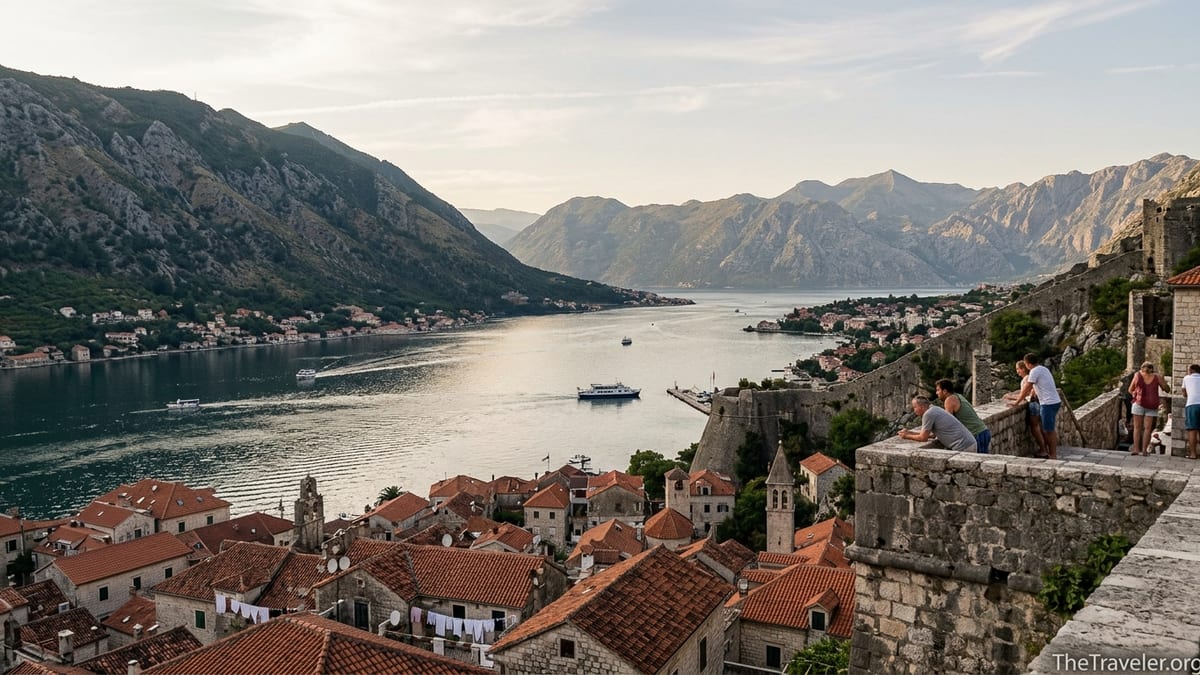
Where Montenegro Is and Why It Feels Bigger Than It Looks
Montenegro sits in Southeast Europe on the Adriatic Sea, bordered by Croatia, Bosnia and Herzegovina, Serbia, Kosovo and Albania. From north to south it is only a few hours by road, yet within those few hours you can go from swimming in warm coastal waters to hiking in alpine scenery around glacial lakes. The country’s compact size is a major advantage for first-time visitors, because you can see very different landscapes without long travel days.
Tourism has grown quickly in recent years, with around two and a half to three million visitors annually in a country of roughly 600,000 people. Most international visitors come for the coast in summer, especially the Bay of Kotor and resorts around Budva, but Montenegro is increasingly promoting its mountains and national parks. As a first-time visitor, you will feel this contrast clearly if you spend a few days in the old stone streets of Kotor and then drive up into Durmitor or Biogradska Gora National Parks, where temperatures drop noticeably and villages feel far removed from the coast.
For trip planning, it helps to think of Montenegro in three broad regions: the coast (Kotor, Budva, Ulcinj and surrounding beaches), the central region (the capital Podgorica, historic Cetinje, Lake Skadar and Lovćen National Park) and the north (Durmitor, Biogradska Gora, Prokletije and other mountain areas). Many first-time visitors pick one coastal base such as Kotor or Budva and add one mountain base such as Žabljak near Durmitor or Kolašin near Biogradska Gora for a good first overview.
Because Montenegro uses the euro and applies relatively relaxed entry rules for many nationalities, it often pairs well with trips to Croatia or Albania. Travellers commonly arrive via Dubrovnik in Croatia or Tirana in Albania, rent a car and then cross the border into Montenegro for a week or more. If you prefer to avoid extra border crossings, flying directly into one of Montenegro’s two international airports is straightforward in peak season.
Best Coastal Bases: Kotor, Budva and Nearby Towns
For a first visit, most travellers decide between staying primarily in Kotor or Budva, then making shorter trips to nearby towns such as Perast, Tivat, Herceg Novi and Sveti Stefan. Kotor, at the head of the Bay of Kotor, appeals to visitors who enjoy historic centres and atmospheric evenings. Its walled Old Town is compact but dense with stone alleys, churches and cafés. During the middle of the day, particularly when cruise ships dock, the streets can be crowded, but early mornings and late evenings feel far more relaxed.
Bases around Kotor include the Old Town itself and the waterfront villages stretching along the bay, such as Dobrota, Muo and Prčanj. Many first-timers choose a guesthouse along the bay with direct access to the water so they can swim off small concrete jetties and then walk or take a short taxi ride into the Old Town for dinner. Perast, about 20 minutes from Kotor by road, is smaller and quieter, with traditional stone palaces and views to the islets of Our Lady of the Rocks. It works well if you want a slower pace but are happy to rely on occasional buses or taxis.
Budva, roughly 30 minutes by road from Kotor in light traffic, is the country’s most developed beach resort. Its small walled Old Town has charm, but the wider Budva Riviera is known for larger hotel complexes, beach clubs and more energetic nightlife. First-time visitors who want a classic sun-and-sea holiday with plenty of bars and restaurants often base themselves near Slovenska Beach or in nearby Bečići. On summer evenings, the promenade fills with music and stalls, and it can feel busy and festive until late at night.
If you prefer somewhere slightly quieter but still close to Budva, consider staying in Petrovac or in smaller coves between Budva and Sveti Stefan. These spots give you easier access to sandy or pebble beaches while avoiding some of Budva’s late-night noise. Keep in mind that traffic along the coastal road can be heavy in July and August, so a 20-kilometre drive may take significantly longer than you expect at peak hours. Whenever possible, plan beach days and excursions to start early and avoid mid-afternoon congestion.
Beaches and the Adriatic: What to Expect
Montenegro’s coastline is diverse, from narrow pebble coves in the Bay of Kotor to wider sandy stretches near Ulcinj closer to the Albanian border. Many first-time visitors are surprised that a large number of beaches are pebbly or stony rather than soft sand. Water clarity is usually excellent, and simple amenities such as sunbeds, umbrellas and small beach bars are common at popular spots. Expect to pay a daily fee for two loungers and an umbrella at managed sections, with prices rising in July and August and falling in shoulder seasons.
A typical day at a mid-range beach near Budva or Kotor might involve paying the equivalent of a modest restaurant meal for a pair of loungers in high season, then ordering coffee, soft drinks or light food from the nearby bar. On less developed stretches, you can place a towel on the public section of the beach for free, though shade is limited. Families often look for gently shelving areas such as Mogren Beach near Budva or the smaller coves around Pržno, where the water is calmer and easier for children.
Sveti Stefan, an iconic islet connected to the mainland by a narrow causeway, is one of Montenegro’s most photographed places. The island itself operates as an upscale resort with controlled access, but the beaches on either side of the causeway are open to the public, with a clear division between managed loungers and free sections. Many first-time visitors come for a few hours in the late afternoon to swim and photograph the view rather than stay overnight, as accommodation immediately around Sveti Stefan can be significantly more expensive than in nearby villages.
Further south, Ulcinj’s Velika Plaža (Long Beach) stretches for many kilometres and has a very different feel from the rocky coves of the Bay of Kotor. Here, wide sandy sections, kite-surfing schools and beach clubs attract a mix of families and younger travellers. If you are visiting in peak summer and want space to spread out, planning at least one day trip down to this area can be worthwhile. Public transport connections exist but are slower and less predictable, so many travellers choose to drive or take an organised excursion.
National Parks and Mountain Highlights
Montenegro has several national parks, and for a first visit the most accessible and rewarding usually include Durmitor, Biogradska Gora, Lovćen and Lake Skadar. Durmitor National Park, in the north near the town of Žabljak, is particularly well known for high peaks, glacial lakes and the Tara River Canyon. Many visitors stay in Žabljak for two or three nights, hiking around Crno Jezero (Black Lake), driving to viewpoints along the canyon or, in summer, joining rafting trips on the Tara River arranged through local agencies.
Biogradska Gora National Park, near the town of Kolašin, protects one of Europe’s last remaining primeval forests. The main entrance is a short drive from Kolašin, and a popular first-time activity is the easy loop walk around Biogradsko Lake. Because Kolašin has a small but growing range of guesthouses and hotels, it makes a comfortable base for travellers who want to combine gentle walks in ancient forest with cooler temperatures than the coast, especially in July and August. Some visitors include Biogradska Gora as a stop on a wider road trip linking the coast, Kolašin and Durmitor.
Lovćen National Park, rising above the Bay of Kotor, offers some of the most memorable views in the country. A series of dramatic hairpin bends climbs up from the coast toward the park, and on clear days you can see deep into the bay and along the Adriatic. Many first-time visitors either drive or take a tour up to the mausoleum of Petar II Petrović-Njegoš near the summit, where a flight of steps leads to a panoramic terrace. In recent years, a cable car connection has provided another way to gain altitude quickly from near Kotor and enjoy cooler air without a long drive.
Lake Skadar National Park, on the border with Albania, is the largest lake in the Balkans and an important wetland for birdlife. The small town of Virpazar is a common base for boat trips that weave between water lilies and small islands. For a concrete example, many visitors join a two or three-hour boat excursion in the morning, then have lunch at a local restaurant serving carp or eel from the lake before heading back to the coast. This pattern, combining short outdoor activities with regional food, is typical of how first-time visitors experience Montenegro’s national parks in summer.
Costs, Accommodation and Daily Budget Examples
Montenegro uses the euro, which makes price comparisons straightforward for visitors from the eurozone. Overall, costs are generally lower than in neighbouring Croatia but higher than in some other Balkan countries. Prices vary sharply by location and season. A simple guesthouse room in the Bay of Kotor area in late June might cost significantly less than an equivalent room at the height of August in Budva. Mountain towns such as Žabljak and Kolašin usually offer better value than prime coastal hotspots.
To give a rough, real-world sense of daily spending for two people, consider a couple staying in a mid-range guesthouse in Kotor in early September. They might pay a moderate nightly rate for a room with private bathroom and partial sea view, spend the equivalent of a few euros each on breakfast pastries and coffee from a local bakery, around ten to fifteen euros per person on a simple lunch of grilled fish or pasta and a drink, and more for a three-course dinner with wine in the Old Town. If they rent loungers at the beach or join a boat tour to Perast and Our Lady of the Rocks, their total daily cost might rise by another thirty to fifty euros depending on choices.
In mountain areas, accommodation and dining can be more affordable. In Žabljak, for instance, staying in a family-run guesthouse or chalet and eating at local restaurants serving hearty stews, grilled meats and dairy products from nearby farms can feel relatively inexpensive compared to the coast in peak season. However, costs increase if you book guided hikes or adventure activities such as canyoning or rafting. It is wise to budget a bit extra for unforeseen expenses such as parking fees near popular attractions or higher taxi fares during busy periods.
Cash is still useful, particularly in smaller towns, villages and at roadside stalls selling fruit, honey or homemade rakija. Many hotels, larger restaurants and petrol stations accept cards, but you should not assume cashless payment everywhere. ATMs are widely available in coastal towns and larger inland centres such as Podgorica, Nikšić, Cetinje, Kolašin and Žabljak. When drawing cash, be alert to extra fees and consider withdrawing enough at once to avoid repeated small charges.
Airports, Transport and Getting Around
Montenegro has two main international airports: Podgorica Airport, serving the capital in the central region, and Tivat Airport, close to the Bay of Kotor and coastal resorts. During the main tourist season from roughly late spring to early autumn, both airports see increased traffic, with additional routes from European cities operated by low-cost and flag carriers. For example, in recent years Tivat has had seasonal connections from cities such as Istanbul and various Western European capitals, while Podgorica offers year-round links to larger hubs, making it useful outside the summer season.
Choosing between the two airports depends on your itinerary. If your focus is Kotor, Perast, Tivat or Budva, flying into Tivat is generally more convenient, as transfer times to the bay can be as short as 15 to 30 minutes by taxi in light traffic. For itineraries combining coast and mountains, or including Podgorica and Lake Skadar, Podgorica Airport is a logical entry point. Podgorica is also often recommended for travellers who prefer a calmer airport experience in peak summer, when Tivat can feel very busy at certain times of day.
Public transport within Montenegro relies mainly on buses. Intercity buses link Podgorica with coastal towns, Cetinje, Nikšić, Kolašin and Žabljak. Timetables change seasonally and can run late, so it is sensible to treat departure times as approximate and allow extra time for connections, especially if you are heading to or from the airport. For instance, reaching Kotor from Podgorica by bus can take around three hours depending on traffic and the route, while the same journey by car in light conditions might be closer to two hours.
Many first-time visitors choose to rent a car, at least for part of their trip, to reach national parks and smaller villages that are harder to access by bus. Driving brings flexibility but also demands confidence. Roads are generally paved but can be narrow and winding, especially in the mountains and on older coastal routes. Local drivers may overtake assertively, and parking in Kotor and Budva in high season can be challenging. If you are unsure about driving, consider basing yourself in a coastal town with good tour options and using organised excursions to visit places like Durmitor, Lovćen and Lake Skadar.
Safety, Practicalities and First-Time Travel Tips
Montenegro is broadly considered a safe destination for travellers. Violent crime against tourists is rare, and most visitors experience only minor issues such as crowded conditions in popular areas or occasional overcharging in touristy establishments. Standard precautions apply: keep valuables out of sight in parked cars, be cautious with bags in dense crowds and check prices before ordering in cafés and bars on the busiest promenades. Taxis are common in coastal towns, but you should confirm the fare or ensure the meter is used before setting off.
Healthcare in major centres such as Podgorica, Kotor and Budva is generally adequate for routine issues. Pharmacies are easy to find and often well stocked with basic medicines and sun protection. Travel insurance that covers medical care, evacuation and activities such as hiking or rafting is sensible, particularly if you plan to spend time in remote mountain areas where facilities are more limited. In summer, heat and sun exposure are more common problems for visitors than anything else; carrying water, wearing hats and avoiding the steepest hikes in the hottest part of the day reduces risks.
Language is rarely a barrier in tourist areas. Montenegrin is the official language and very similar to Serbian, Croatian and Bosnian, but English is widely spoken in hotels, restaurants and tour agencies, especially by younger people. Learning a few polite phrases in the local language is appreciated and can make encounters in smaller villages and mountain regions more enjoyable. Menus in popular coastal restaurants often include English translations, while more traditional inland eateries may have simpler offerings and fewer translations, which can be part of the experience.
For a smoother first trip, it helps to plan around the busiest weeks. July and August bring both the best beach weather and the largest crowds, particularly on the Budva Riviera and around Kotor when cruise ships visit. If your schedule allows, consider late May to June or September, when sea temperatures are still pleasant but crowds and prices tend to be lower. In shoulder seasons, you are more likely to find last-minute accommodation options, and hikes in national parks are more comfortable, though some high mountain roads and activities may still be affected by lingering snow earlier in spring.
The Takeaway
For a small country, Montenegro offers an impressive variety of experiences for first-time visitors, from the stone alleys of Kotor and the lively beaches of Budva to cool forests and mountain lakes only a few hours’ drive away. Understanding the basic geography, seasonal patterns and transport options helps you fit these contrasts into a single, coherent itinerary. Whether you choose to base yourself mostly on the coast with a quick foray inland or split your time evenly between sea and mountains, it is realistic to see several of the country’s highlights in one trip.
Start by deciding what matters most to you: historic towns and sea views, unhurried days on the beach, or active time in national parks. Then choose arrival and departure airports that match that priority and consider whether renting a car will significantly improve your flexibility. With realistic expectations about summer crowds, driving conditions and daily costs, Montenegro can feel both adventurous and surprisingly easy to navigate. Many first-time visitors leave already planning a return, this time perhaps staying longer in the mountains or exploring less-visited corners beyond the main coastal arc.
FAQ
Q1. How many days should a first-time visitor spend in Montenegro?
For a first trip that includes both the coast and at least one national park, many travellers find 7 to 10 days ideal. This allows three or four nights on the Bay of Kotor or Budva Riviera and three or four nights in the mountains around Durmitor, Biogradska Gora or Lake Skadar, with travel days that do not feel rushed.
Q2. Is Kotor or Budva better as a base for first-time visitors?
Kotor generally suits visitors who prioritise history, atmosphere and quieter evenings, while Budva appeals more to those wanting a lively beach scene and nightlife. If you are unsure, spending a few nights in each can work well, as they are close enough to move between by bus, taxi or rental car in around an hour, depending on traffic.
Q3. Do I need to rent a car to enjoy Montenegro?
No, but renting a car gives you more flexibility, especially for reaching national parks and smaller villages. Without a car, you can still see a great deal using intercity buses and organised day trips from Kotor, Budva or Podgorica. For example, many agencies offer full-day excursions to Durmitor, Lovćen or Lake Skadar that include transport, guiding and key stops.
Q4. When is the best time to visit Montenegro for good weather and fewer crowds?
Late May to June and September are often considered the best compromises between pleasant weather and manageable crowds. Sea temperatures are usually warm enough for swimming, especially by June and early autumn, yet coastal towns and roads feel less congested than in late July and August. Mountain hiking is also more comfortable in these shoulder periods.
Q5. Are Montenegro’s beaches sandy or pebbly?
Many beaches in the Bay of Kotor and around Budva are pebbly or rocky, though there are some sandy stretches, particularly further south near Ulcinj’s Long Beach. Expect to find concrete jetties and platforms in some coastal villages, where locals and visitors swim directly from steps into deep water rather than from traditional wide sandy shores.
Q6. How expensive is Montenegro compared with neighbouring Croatia?
In general, Montenegro is somewhat more affordable than Croatia’s most popular coastal areas, especially in terms of accommodation and restaurant prices. However, costs in high-demand zones such as central Kotor or Budva in August can still feel high compared with inland parts of the country. Planning to eat at local konobas slightly away from the busiest promenades can help manage your budget.
Q7. Is Montenegro safe for solo travellers, including solo women?
Yes, Montenegro is widely regarded as safe for solo travellers, including solo women, particularly in main tourist areas. Normal precautions apply, such as avoiding poorly lit areas at night, watching drinks in busy bars and using licensed taxis. Many solo travellers find smaller guesthouses and family-run accommodations welcoming and appreciate hosts’ local advice.
Q8. Which national park is best for a first-time visit without much hiking experience?
Lovćen and Lake Skadar are particularly good options for first-time visitors who prefer gentle walks and viewpoints rather than demanding hikes. Lovćen offers dramatic panoramas reachable by road or cable car and a relatively short climb of steps to the main viewpoint, while Lake Skadar can be enjoyed largely from boat trips and short strolls around Virpazar.
Q9. Can I combine Montenegro with a trip to Croatia or Albania?
Yes, many travellers combine Montenegro with nearby parts of Croatia or Albania. Common patterns include flying into Dubrovnik, crossing by road to the Bay of Kotor and then continuing south, or starting in Tirana, visiting the Albanian Riviera and then heading north into Montenegro. If you plan this kind of multi-country trip, factor border crossing times into your schedule.
Q10. Do I need to book accommodation and tours in advance in summer?
In July and August, advance booking is strongly recommended for popular coastal towns such as Kotor, Budva and Sveti Stefan, as well as for in-demand mountain bases like Žabljak. Many organised tours and boat trips can be booked a day or two ahead once you arrive, but key dates and time slots around weekends can fill early, so reserving ahead online or through your accommodation can save stress.