


More news on this day
Dense fog around Auckland Airport has led to a wave of flight cancellations and delays, disrupting travel for hundreds of passengers and complicating air connections across New Zealand and beyond.
Get the latest news straight to your inbox!
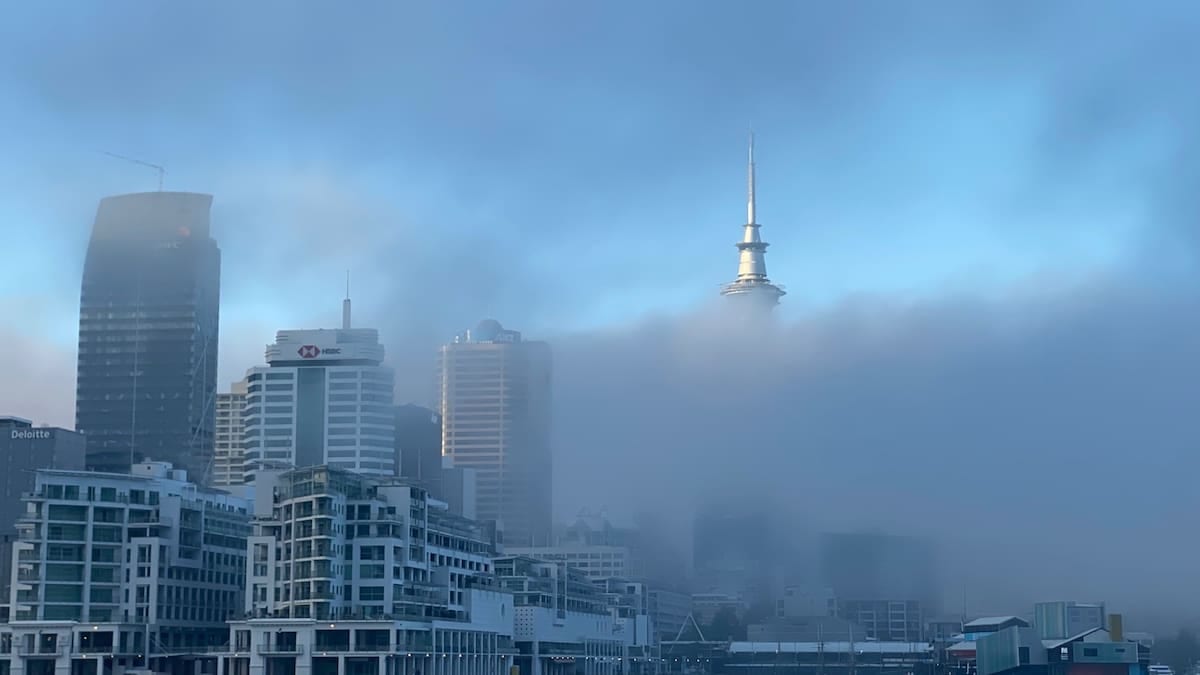
Low Visibility Forces Ground Stops and Diversions
Flight-status boards at Auckland Airport showed multiple services cancelled or significantly delayed as reduced visibility limited aircraft movements. Publicly available tracking data and local reports indicate that a number of early-morning and mid-morning departures were held at the gate, while some inbound services were placed in holding patterns or diverted when conditions deteriorated.
Operational information suggests that smaller domestic aircraft have been particularly affected, with several regional services scrubbed when visibility on approach and departure fell below required safety minima. Larger jet aircraft equipped for low-visibility operations continued to operate on a reduced schedule, but turnaround times lengthened as crews and ground handlers navigated the foggy conditions on the airfield.
The disruption at Auckland has created knock-on effects across airline networks, with aircraft and crews out of position and later flights subject to rolling delays. Some carriers have begun consolidating services, moving passengers from multiple cancelled flights onto a smaller number of departures once conditions improve.
Passengers Face Long Waits and Rebookings
Travellers reported extended waits in terminal areas as airlines worked through rebooking queues and updated departure times. Public comments shared via social media platforms describe crowded check-in halls and security lines, with many passengers receiving notifications of schedule changes only shortly before planned boarding times.
According to booking and advisory information published by airlines serving Auckland, affected customers are being offered re-accommodation on later flights where space allows, along with the option to defer travel or alter itineraries without additional change fees in some cases. Those with onward international connections are facing the most complex re-routing challenges, particularly where same-day alternatives are limited.
Airport and airline updates advise passengers to arrive early, allow extra time for check-in and security, and to monitor their flight status frequently on official channels, as conditions and schedules may change at short notice while the fog persists.
Weather Conditions Undercut Advanced Landing Systems
Auckland Airport is equipped with advanced instrument landing technology that allows many modern jets to land safely even in poor visibility. Information from the airport’s operational material notes that a Category III Instrument Landing System supports low-visibility approaches for suitably equipped aircraft and trained crews, reducing the frequency of weather-related disruptions in comparison with earlier years.
Nevertheless, when fog becomes both dense and persistent, overall capacity on the single-runway airfield declines sharply. Taxi movements become slower, runway occupancy times increase, and safety buffers are widened, all of which reduce the number of take-offs and landings that can be handled each hour. Aircraft that cannot use the most precise approach procedures, particularly some regional types, may be unable to operate at all until visibility improves.
Seasonal weather patterns add to the challenge. Local climatological information highlights that Auckland is vulnerable to episodes of radiation fog, especially in the cooler months when clear overnight skies and light winds allow moisture to condense near the ground. While such events are usually short-lived, even a few hours of dense fog in the morning peak can trigger a day-long cascade of delays.
Wider Impacts Across New Zealand’s Air Network
The disruption at Auckland is reverberating through the wider New Zealand aviation network, given the airport’s role as the country’s primary domestic and international hub. Regional destinations relying on connecting traffic from Auckland are experiencing reduced frequencies, with some provincial airports seeing gaps in their usual schedule as aircraft remain out of position.
Published flight timetables show that trans-Tasman and Pacific services are also exposed, particularly where single daily rotations link Auckland with cities in Australia and the wider Pacific. When an aircraft cannot depart on time from Auckland, the delay often carries forward into the return sector, affecting passengers on both sides of the route.
Travel industry advisories recommend that passengers with flexible plans consider rebooking outside the current disruption window, and that those needing to travel urgently build additional buffer time into itineraries. Travel insurers are reminding customers to retain documentation of cancellations and delays to support any potential claims related to weather-disrupted journeys.
What Travellers Should Do Next
Publicly available guidance from airlines and Auckland Airport emphasizes that passengers should rely on official flight-status tools and direct communications from carriers rather than third-party travel sites for the most current information. Many airlines are pushing updates through mobile apps, text messages, and email as departure times evolve with the weather conditions.
Travellers already at the airport are being encouraged, via posted notices and public information channels, to remain near their departure gates once security screening is complete, as boarding may begin quickly when weather windows open. Those yet to start their journey are advised to check whether their flight is operating before leaving for the airport, particularly for early-morning departures when fog is most likely to linger.
With forecasts indicating that visibility could improve as the day progresses, operations are expected to gradually normalize, although residual delays may continue into later flights as airlines work to reposition aircraft and crews. Passengers with travel planned over the next 24 hours are being urged to stay alert to changing conditions and to prepare for potential adjustments to their schedules.