


More news on this day
Newark Liberty International Airport is experiencing major travel disruption as United Airlines and regional partner Republic record hundreds of delayed and cancelled flights across their transatlantic and domestic schedules, stranding and rerouting large numbers of passengers at one of the busiest hubs in the United States.
Get the latest news straight to your inbox!
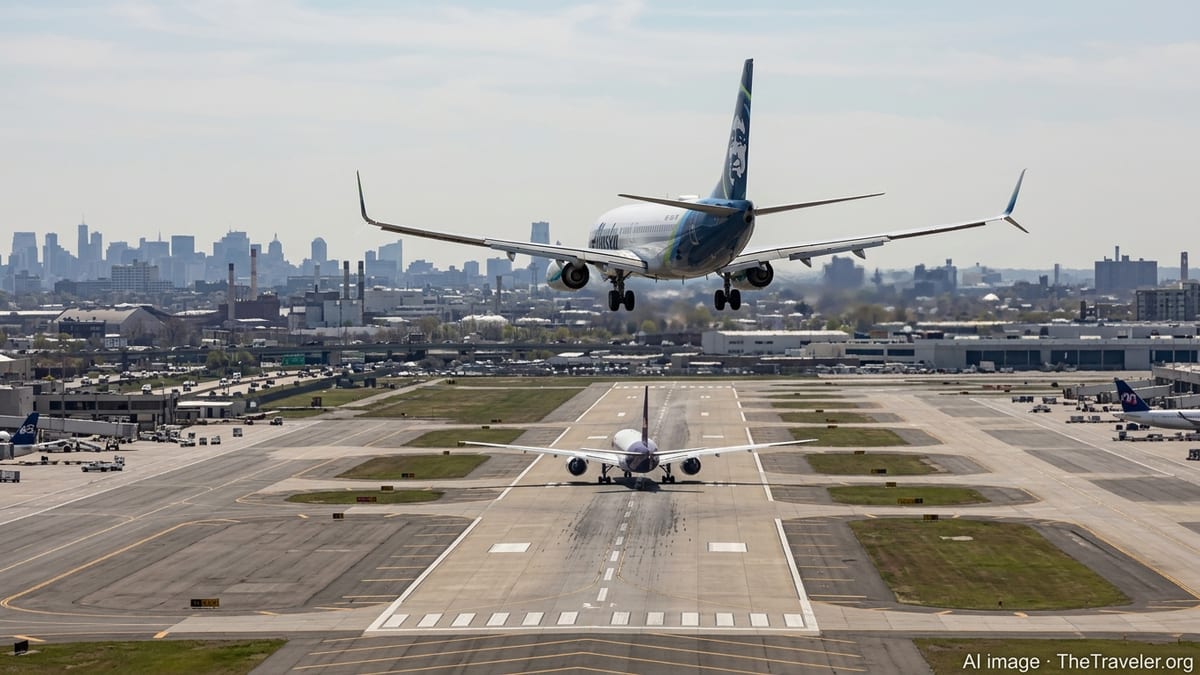
Wave of Cancellations and Delays Hits Key United Hub
Publicly available tracking data and schedule information indicate that United Airlines and its United Express partner Republic are facing a large-scale operational disruption at Newark Liberty, with a combined 268 transatlantic and domestic services affected over a short period. The pattern includes outright cancellations, extended ground delays and aircraft swaps, rippling through peak bank departures and arrivals.
The disruption has been especially visible on high-demand transatlantic routes from Newark to major European cities, where late departures and rolling delays have stacked up through the day. Domestic links on busy business and leisure corridors have also been heavily impacted, including services along the East Coast and to key hubs in the Midwest and South.
United operates Newark as its primary gateway to Europe and an essential domestic hub, which means schedule problems at the airport can quickly magnify into a systemwide challenge. With Republic operating a dense network of regional connections under the United Express brand, interruptions to those feeder flights have added pressure by limiting options for rebooking and onward connections.
Weather, Congestion and Tight Schedules Intensify Pressure
Operational data and recent aviation industry reporting point to a familiar combination of factors behind the latest wave of disruption at Newark Liberty. Periodic thunderstorms along the Northeast corridor, heavy summer traffic volumes and airspace constraints around the New York metropolitan area have together created a fragile operating environment in which even minor issues can trigger cascading delays.
When air traffic control implements ground stops or flow restrictions for safety, airlines at Newark must rapidly adjust departure banks, reassign aircraft and crews, and in some cases cancel flights outright. United and Republic are particularly exposed because of the hub’s tightly banked schedule structure, which is designed to maximize connections but leaves little room to absorb irregular operations.
In recent years, Newark Liberty has been the focus of efforts to reduce chronic congestion, including previous schedule cuts by United on select domestic routes and infrastructure projects such as the new Terminal A. Despite improvements highlighted in recent on time performance rankings, the current cluster of disruptions shows how quickly conditions can deteriorate when traffic, weather and operational complexity intersect.
Transatlantic Passengers Face Missed Connections and Overnight Stays
The disruption has been especially painful for transatlantic travelers whose itineraries rely on precisely timed connections through Newark. Reports from passenger forums and flight-tracking platforms describe missed onward flights to European destinations, rebookings onto next day services and, in some cases, enforced overnight stays in the New York area while travelers await new itineraries.
Cancellations and long delays on Newark departures to Europe can strand travelers not only at the New Jersey hub but also at outstations where inbound aircraft originate. When an aircraft intended for a transatlantic crossing is delayed or taken out of rotation, later segments can be affected, forcing airlines to consolidate services or reroute passengers through other hubs such as Washington Dulles or Chicago O’Hare.
Travelers holding separate tickets for onward European or regional flights face additional uncertainty, as missed self arranged connections are typically not protected by standard airline policies. Published consumer guidance from regulators and industry groups continues to emphasize the importance of allowing extra connecting time through congested hubs like Newark, particularly during peak summer travel periods.
Republic Operated Regional Flights Add Complexity to Recovery
Republic’s role as a major United Express operator at Newark adds another layer of complexity to the disruption. The carrier operates a large fleet of regional jets on shorter haul routes that feed United’s mainline network, including key business markets and secondary cities that rely on hub connections for long haul travel.
When Republic’s operations are affected, the impact is felt both by point to point passengers and by those using Newark to connect to transatlantic services. A cancelled or significantly delayed regional arrival can cause travelers to miss long haul departures, while disruptions to outbound regional flights limit options for rerouting passengers who have already been delayed on earlier segments.
Industry analyses note that regional operations often have less slack in aircraft and crew availability than mainline fleets, which can make recovery from widespread disruption more challenging. In the current episode at Newark, the intertwined schedules of United and Republic mean that recovery efforts must be coordinated across both carriers to restore normal connectivity.
Travelers Urged to Monitor Flights and Consider Flexible Options
Given the scale of the disruption, travel experts and consumer advocates are advising passengers booked through Newark on United or United Express to closely monitor real time flight information and be prepared for last minute changes. Online and app based tools from airlines and airports can provide more up to date departure and arrival information than printed itineraries or third party confirmations.
Where possible, travelers may benefit from exploring alternative routings through other United hubs if Newark schedules appear unstable, particularly for long haul journeys with tight connections. Some itineraries can be adjusted at the booking stage to include longer layovers, which can add a margin of safety when operating conditions at major hubs are volatile.
Passengers affected by cancellations or severe delays are encouraged by publicly available consumer guidance to document their disruption, keep receipts for reasonable expenses and review airline policies regarding refunds and rebooking. While specific entitlements vary by jurisdiction and route, records of the disruption can be helpful when seeking compensation or reimbursement after travel plans have been significantly altered.