


More news on this day
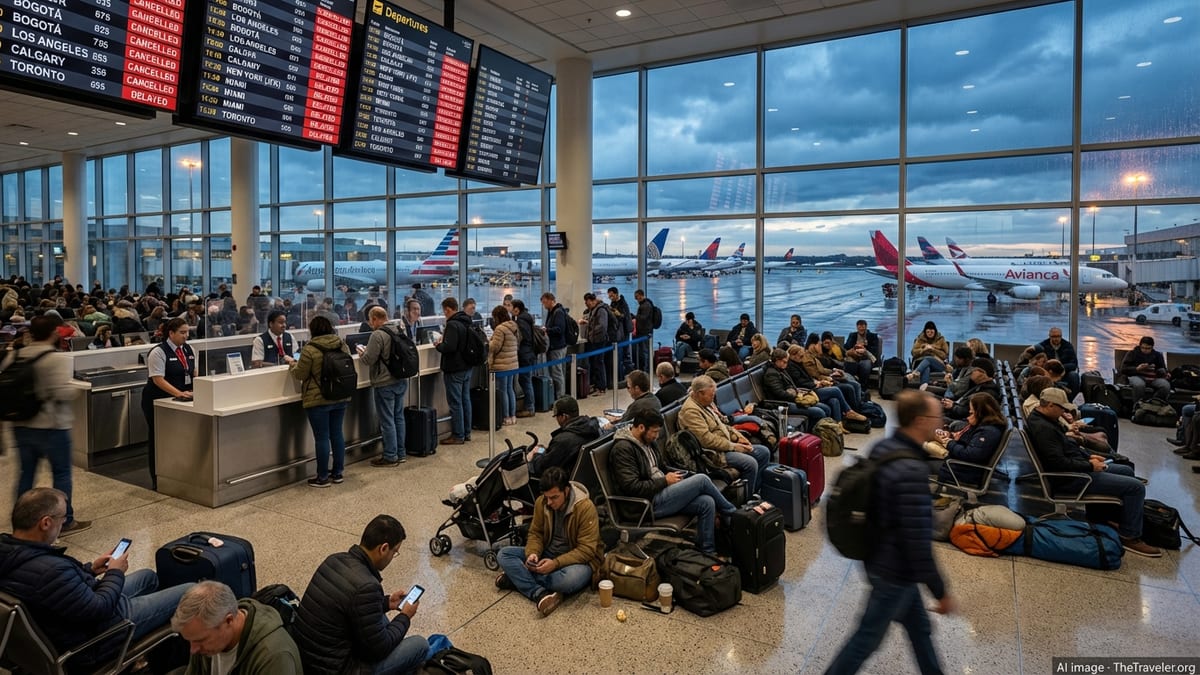
Thousands of travelers across the United States faced severe disruption on June 28, 2026, as publicly available flight-tracking data indicated 103 cancellations and 3,930 delays nationwide, with major hubs such as Boston Logan, New York JFK and Los Angeles International among the hardest hit.
Get the latest news straight to your inbox!
Boston Logan Leads US Cancellations
Published coverage of national disruption data shows that Boston Logan International Airport recorded the highest number of cancellations among US airports on June 28, with 36 flights scrubbed and many more delayed. The figures place Boston at the center of the latest wave of disruption, outpacing larger hubs that typically see higher traffic volumes.
Local operational data and aviation trackers indicate that delays at Logan rippled across a network of domestic and transcontinental routes, affecting services to New York, Washington, Chicago, Los Angeles and major hubs in the southeastern United States. Passengers reported extended waits at departure gates and busier than usual rebooking counters as airlines attempted to consolidate services and reposition aircraft.
In recent months, Logan has experienced repeated bouts of congestion and weather related disruption, and analysts note that even moderate schedule shocks can quickly translate into large numbers of affected passengers. With roughly two percent of flights at the airport typically canceled on a busy day and average delay times exceeding an hour at peak periods, the additional cancellations on June 28 significantly amplified the impact for travelers.
For many passengers departing or connecting through Boston, the disruption meant missed onward connections, overnight stays and last minute changes to summer holiday plans. Travel advocacy groups said they were monitoring the situation closely and urged affected travelers to document their delays and keep records of expenses while airlines worked through the backlog.
Systemwide Disruption Hits JFK and LAX
The problems at Boston Logan unfolded alongside widespread delays at New York’s John F. Kennedy International and Los Angeles International Airport, two of the busiest gateways in the country. National tallies for June 28 attribute thousands of delayed flights to a combination of weather, air traffic control programs and knock on effects from earlier disruptions.
Public dashboards maintained by federal aviation authorities showed periods of moderate constraints at major coastal hubs, including JFK and LAX, where ground delay programs and traffic management initiatives periodically slowed the flow of departures and arrivals. These programs, while intended to maintain safety and manage congestion, often lead to rolling hold times on the ground and cascading schedule changes throughout the day.
Travellers at JFK reported long lines at customer service desks as crews and aircraft fell out of position, particularly on transcontinental and international routes that depend on precise timing for onward connections. At LAX, domestic flights to and from the Midwest and East Coast carried significant departure delays, complicating itineraries for passengers beginning long-haul journeys to Asia and the Pacific.
Because flights into major hubs feed secondary routes across the country, extended delays at JFK and LAX can quickly spread to smaller airports. By late afternoon on June 28, disruption data indicated a nationwide pattern of late departures, with relatively few cancellations but an unusually high volume of flights operating behind schedule.
Airlines Struggle With Tight Summer Schedules
The late June disruption comes at the start of the peak summer travel period, when airlines operate dense schedules with limited spare capacity. Reports summarizing the June 28 figures highlight that carriers such as American Airlines and Delta Air Lines recorded several hundred delayed flights each, as aircraft and crews struggled to keep pace with tightly timed rotations.
When schedules are this full, even minor operational issues can quickly escalate into widespread disruption. Industry analysts point to a combination of pop up thunderstorms, congestion at key waypoints in the national airspace system and ongoing staffing pressures in both airline operations and air traffic control as contributing factors to the latest wave of delays.
Carriers have invested heavily in schedule planning tools and real time recovery systems since the extreme disruption events of past years, but recent days have shown that unexpected bottlenecks still strain those systems. On June 28, rebooking options for many stranded travelers were limited, with some passengers offered seats one or two days later, especially on popular transcontinental and island routes.
Despite the challenges, most flights eventually operated, reflecting a focus on reducing outright cancellations. However, consumer advocates note that extensive same day delays can be nearly as disruptive as cancellations, particularly when passengers face missed connections or arrive far outside original plans.
What Stranded Travelers Can Do
For passengers caught up in Saturday’s disruption, immediate steps can help reduce the impact. Aviation consumer resources recommend that travelers first confirm whether their flight has been canceled or significantly delayed, then review airline policies on refunds, meal vouchers and hotel support. Since 2024, federal rules have required airlines to provide automatic refunds when flights are canceled or significantly changed and travelers choose not to take the rebooked trip, a protection that remains in place for domestic US itineraries.
Travel rights organizations and legal aid portals emphasize the importance of documenting the experience, including screenshots of delay notifications, boarding passes and receipts for out of pocket costs such as meals and overnight accommodation. While US regulations do not generally mandate cash compensation for delays, carriers may offer travel credits or goodwill gestures, particularly when disruptions are linked to crew or mechanical issues rather than severe weather or airspace closures.
Experts also advise stranded passengers to explore multiple channels simultaneously when seeking alternatives. Airline mobile apps, websites and airport kiosks can all provide rebooking options, and some travelers may find faster solutions by checking nearby airports within driving distance where capacity is more readily available. Those with flexible plans may opt to shift travel to off peak times or different days to avoid the heaviest congestion.
For international travelers connecting through US hubs such as JFK, LAX and Boston Logan, it is especially important to monitor onward flights and coordinate with hotels, tour operators and ground transportation providers, as arrival times can shift by many hours during large disruption events.
Prospects for the Coming Days
Forecasts for the final days of June suggest the potential for further localized weather issues, particularly along the East Coast and in parts of the Midwest, raising concerns about additional delays at major hubs. However, with the worst of the immediate backlog from June 28 likely to be cleared within 24 to 48 hours, industry observers expect operations to stabilize if conditions permit.
Residual disruption can still linger as aircraft and crews return to normal positions. Passengers with flights in the coming days through affected airports are being encouraged by consumer groups and travel planners to check flight status frequently in the 24 hours before departure and to allow extra time for security screening and connections.
For airlines, the episode serves as another test of summer resilience and recovery planning at a time when traveler demand remains strong. How quickly carriers restore normal operations after this latest disruption will help determine traveler confidence heading into the busiest weeks of the season.
As the summer peak continues, aviation analysts underscore that days like June 28 highlight the vulnerability of a tightly interconnected network where problems at a few key airports can ripple outward, affecting thousands of journeys across the United States in a matter of hours.