


More news on this day
Ongoing security-related airspace restrictions and sudden airport closures around Moscow have left thousands of Russian holidaymakers stranded during the peak summer travel season, with widespread delays and cancellations rippling across domestic and international routes.
Get the latest news straight to your inbox!
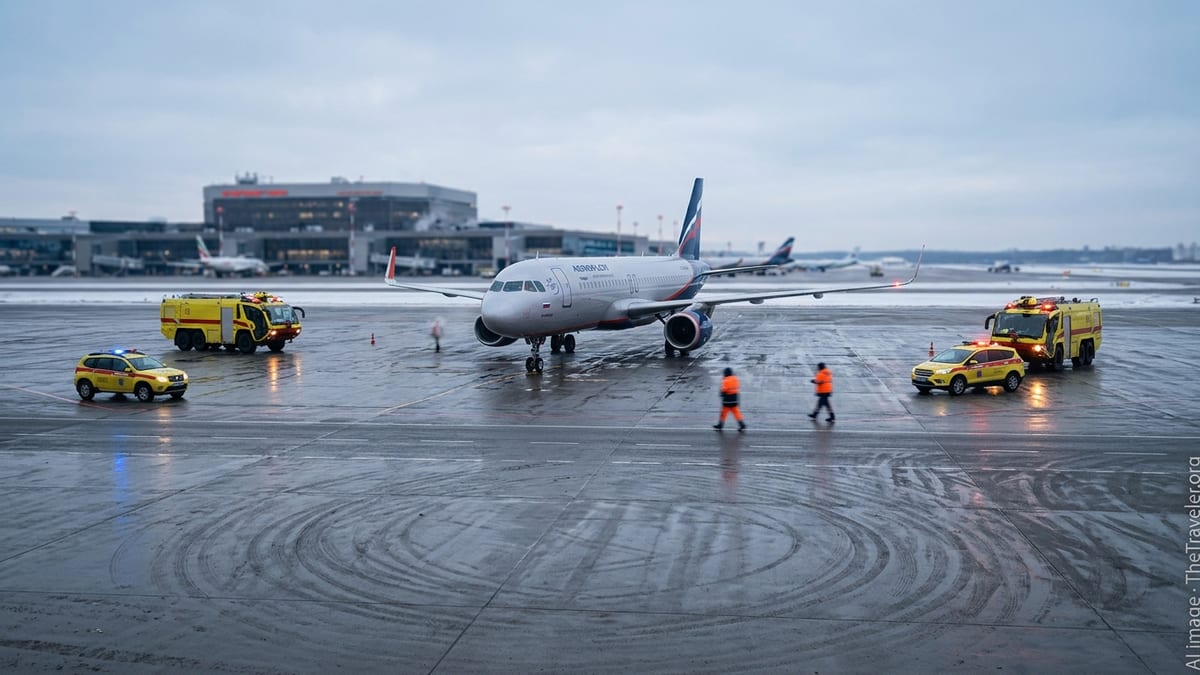
What Is Happening at Moscow’s Airports
Publicly available flight tracking data and Russian media coverage indicate that Moscow’s main airports Sheremetyevo, Domodedovo, Vnukovo and Zhukovsky have faced repeated temporary shutdowns and restrictions in recent weeks, often imposed with little warning. Airspace closures linked to reported drone threats and air defense activity have forced controllers to halt arrivals and departures, triggering large backlogs on the ground.
Several episodes since May have seen hours-long suspensions of operations across multiple Moscow airports on the same day, leaving aircraft waiting in holding patterns or diverting to alternate fields, while already-landed flights remained parked without access to gates. As restrictions were gradually lifted, schedules struggled to recover, creating knock-on delays that lasted well into the following days.
These disruptions are occurring just as Russia’s summer holiday season reaches full swing. Tour operators report heavier than usual demand for flights from Moscow to Black Sea resorts, the North Caucasus, Turkey, the Gulf and Central Asia. The concentration of this traffic at a handful of Moscow hubs means that when airspace closes even briefly, thousands of leisure travelers may be affected at once.
Russian aviation authorities have described the measures as temporary and framed them as necessary to ensure flight safety, but timetables and eyewitness posts from stranded passengers show that the practical impact has been extensive, especially on peak weekend travel days.
How Many Travelers Are Affected
Russian outlets that monitor the aviation sector, along with tour industry associations, estimate that recent waves of airspace closures and drone-related disruptions across Russia have stranded or significantly delayed tens of thousands of passengers at any given time. During earlier mass shutdowns of airspace around Moscow and other major cities, published figures pointed to more than 60,000 passengers affected over just one or two days of severe disruption, with hundreds of flights canceled or delayed.
While precise current numbers are difficult to verify in real time, the pattern this year appears similar in scale. Moscow’s airports handle millions of passengers during the core summer months, and even a partial closure of one major hub during peak evening hours can instantly leave thousands of people in terminals, unable to depart or struggling to reach connecting flights.
Reports from Russian regional media and social platforms describe families camping out overnight in departure halls, long lines at check-in and security, and travelers waiting upwards of 12 to 16 hours for flights that are repeatedly pushed back. Some passengers describe limited access to food, water or updated information, especially at smaller regional airports that receive diverted traffic from Moscow but lack the capacity to absorb large numbers of unexpected arrivals.
Holidaymakers are particularly vulnerable because many are traveling in large groups, with fixed hotel reservations and prepaid package tours. When flights are delayed or canceled at short notice, rebooking options may be limited and costly, especially on international routes now served by a smaller pool of carriers than before.
Why This Is Happening Now
The latest disruptions fit into a broader pattern of aviation instability affecting Russia since the full-scale invasion of Ukraine. Drone attacks and perceived threats near major cities have repeatedly triggered precautionary airspace closures over the past two years, and summer 2026 is continuing that trend at a time of maximum passenger demand.
Published reports link many of the recent restrictions around Moscow to suspected or announced drone activity in the wider region. When air defenses are activated or when unidentified aerial objects are detected, air traffic managers suspend operations over large areas until the situation is assessed. Even if physical damage to airports is rare, the protective measures themselves are enough to paralyze traffic.
At the same time, Russia’s aviation system is under strain from sanctions, aging aircraft fleets and maintenance challenges. Airlines are operating tight schedules with limited spare capacity, meaning they have little flexibility to absorb disruption. When a wave of cancellations hits, aircraft and crews can quickly end up in the wrong cities, leaving gaps in the schedule that take days to rebalance.
Financial and ownership changes at major hubs such as Domodedovo have also been reported in recent months, adding further uncertainty about future investment in infrastructure and service quality. For travelers, the result is an environment where sudden, large-scale breakdowns in the flight network have become more frequent, especially during high season.
What Stranded Holidaymakers Are Experiencing
Accounts from passengers in Moscow and other affected cities describe scenes of overcrowded terminals, limited seating and shortages of basic services as delays stretch into the night. Families with young children, elderly travelers and tour groups are often among the hardest hit, as they try to manage luggage and personal needs without clear information on when they will actually depart.
In several recent incidents, travelers reported being checked in, clearing security and reaching the gate only to see their departure time repeatedly postponed as new airspace restrictions were announced. Some flights were eventually canceled after passengers had waited many hours, forcing them back through the arrivals area to rebook or search for baggage that had already been handed over.
Accommodation and meal support appear inconsistent. While some airlines and tour operators arranged hotel stays or meal vouchers for severely delayed passengers, others reportedly left travelers to fend for themselves, citing extraordinary circumstances beyond their control. This has led to frustration and confusion, particularly among those who had purchased package holidays and assumed additional protections would apply.
Language differences and limited staff capacity also complicate matters for international travelers transiting Moscow. With many information updates provided only in Russian and call centers overwhelmed, foreign holidaymakers have at times struggled to understand whether their connecting flights will operate or how to reroute if they miss onward legs.
Key Guidance for Travelers with Upcoming Flights
For anyone scheduled to travel to, from or through Moscow in the coming weeks, travel experts recommend building in additional time and preparing for possible disruptions. Publicly available guidance from tour operators and consumer advocates suggests that travelers should monitor their flight status frequently on airline apps and airport boards, as departures can shift rapidly when new security-related restrictions are imposed.
Booking longer layovers, especially when connecting to international flights, may help reduce the risk of missed connections if departures from Moscow are delayed. Where possible, travelers are advised to register contact details with airlines and travel agents so that schedule changes and gate moves can be communicated by text or email rather than solely via airport loudspeakers.
Passengers on package holidays should review their contracts and insurance policies to understand what assistance they can expect in cases of prolonged delay or cancellation. Some policies include provisions for accommodation, meals and alternative transport when disruptions are outside the traveler’s control, but coverage varies widely.
Finally, travelers are encouraged to bring essential medications, snacks, water containers and power banks in their hand luggage in case of extended waits in crowded terminals. While the current situation is highly fluid, recent patterns suggest that periods of relative normality at Moscow’s airports can be punctuated without warning by sudden shutdowns, making preparation and flexibility essential for anyone hoping to avoid being stranded.