


More news on this day
A minor fire on a passenger train operating on the Samastipur–Saharsa route in Bihar triggered alarm among travelers but resulted in no casualties, according to early regional media reports and railway updates, with an investigation now underway into the cause of the incident.
Get the latest news straight to your inbox!
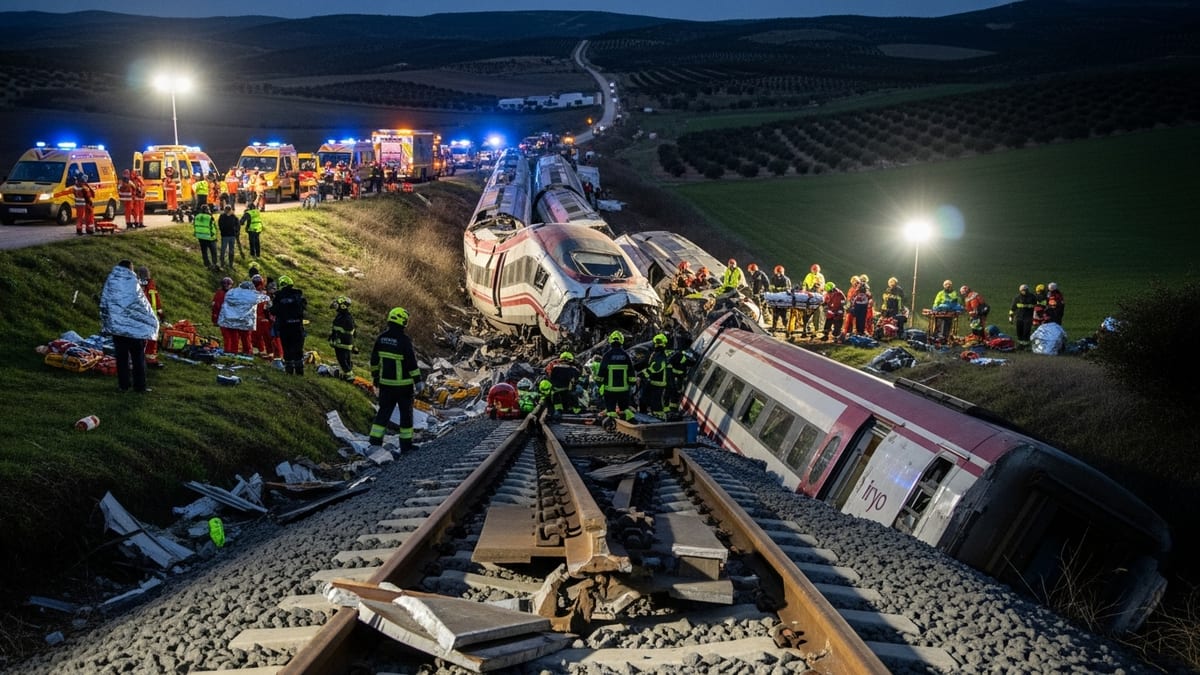
Incident on key north Bihar passenger corridor
The Samastipur–Saharsa corridor is a busy link in north Bihar, serving daily commuters, small-business travelers and long-distance passengers transferring to major express services. The incident, reported on a passenger service identified locally as part of the Samastipur–Saharsa route, briefly disrupted movements along this stretch but did not lead to loss of life.
Initial coverage from regional news outlets indicates that the fire affected a section of the train while it was in motion, prompting passengers to raise alarms and seek to move away from the affected coach. Visuals circulated on local platforms show smoke and flames near one part of the consist, with nearby trackside areas quickly filling with people who had disembarked.
Railway updates cited in Indian media suggest that onboard staff and bystanders responded quickly, helping passengers move to safer coaches or onto the trackside as the train was halted. The fire was subsequently brought under control, and the affected rolling stock was separated from the remainder of the rake for inspection.
The Samastipur–Saharsa line is used by a mix of conventional passenger trains and MEMU or DEMU services, making any operational disruption notable for local communities. Even a relatively small onboard fire can heighten concern among travelers who depend on these short-haul services for daily mobility across districts of Bihar.
No injuries reported, but passengers shaken
According to publicly available information, there were no fatalities or serious injuries linked to the fire. Local reporting suggests that some passengers experienced distress and minor discomfort from smoke and the rushed evacuation, but there were no immediate indications of major medical emergencies.
Accounts appearing in regional coverage describe hurried scenes inside the affected coach, as travelers attempted to retrieve belongings while others focused solely on exiting the carriage. Crowding around doorways and on the steps is a recurring theme in eyewitness descriptions shared via social media and local news, underscoring how quickly routine journeys can turn chaotic.
The absence of casualties has been widely noted as a positive outcome, particularly given past incidents elsewhere on the rail network in which onboard fires or collisions have had more serious consequences. Safety advocates, however, stress that each such event highlights the continued importance of clear evacuation procedures, working alarm chains and accessible fire extinguishers inside coaches.
For many passengers on the Samastipur–Saharsa route, the episode is likely to reinforce concerns about basic safeguards on heavily used passenger services. Questions around coach maintenance, electrical systems and the handling of flammable materials in crowded compartments are already part of an ongoing public conversation about rail travel conditions in the region.
Early focus on cause and coach condition
The precise trigger of the fire remains under scrutiny, with reports pointing to the likelihood of a localized source within a coach rather than any large-scale infrastructure failure. Investigators are expected to examine the electrical wiring, lighting and fan systems, as well as the potential role of passenger-carried items such as cooking stoves, chargers or other devices that can pose ignition risks.
Published coverage also notes that attention is turning to the age and upkeep of the affected coaches. Passenger trains that shuttle between Samastipur and Saharsa often comprise a mix of older and newer stock, and maintenance routines can vary depending on the depot and operational demands. Checks on recently conducted inspections, repair logs and prior complaints about the rake are likely to form part of the review.
Observers of India’s railway safety record point out that relatively small incidents like this can nonetheless reveal systemic vulnerabilities. A minor short circuit, for example, can escalate rapidly in an overcrowded, poorly ventilated compartment where combustible luggage, plastic furnishings and paper waste are common. Ensuring that such faults are caught early through regular checks is a recurrent theme in safety assessments.
Technical teams are typically tasked with examining burn patterns, damaged fixtures and any surviving components around the origin point of the fire. Their findings feed into official reports that can recommend changes to equipment, materials used in coach interiors or maintenance intervals for specific train sets operating on busy secondary routes such as Samastipur–Saharsa.
Operational impact on services and travelers
The incident is reported to have caused at least temporary disruptions to traffic along the Samastipur–Saharsa line, as the affected train was halted and the damaged coach detached for inspection. Subsequent services on the corridor faced knock-on delays while the track was cleared and operational safeguards were confirmed, according to regional timetable updates.
Passengers scheduled to travel later in the day encountered delayed departures or extended journey times, with some short-distance travelers opting for road transport instead. For many rural and small-town communities in this part of Bihar, however, rail remains the most practical and affordable mode of travel, making such interruptions particularly inconvenient.
Railway operations teams typically respond to events of this kind by rerouting rakes, adjusting crew duties and, where possible, adding substitute coaches or short-termination arrangements to keep the timetable functioning. While these adjustments can restore basic connectivity, they often come with crowding and comfort trade-offs, particularly on popular passenger services that already operate close to capacity.
For day-to-day travelers on the Samastipur–Saharsa route, the incident reinforces the importance of staying alert to safety announcements, identifying emergency exits and familiarizing themselves with alarm chains and fire equipment locations in each coach, even on short journeys where routine can foster complacency.
Safety lessons for India’s passenger rail network
The fire on the Samastipur–Saharsa passenger train adds to a series of recent reminders about the vulnerability of crowded conventional services to onboard incidents. Even when outcomes are relatively benign, such events shape public perceptions of safety and can influence travel decisions, particularly among families and older passengers.
Rail safety specialists often highlight a cluster of measures that can reduce the risk and impact of coach fires: robust electrical inspections, strict controls on the carriage of flammable items, use of fire-retardant materials in interiors and regular drills for staff on evacuation procedures. Publicly available assessments of earlier incidents on India’s network have repeatedly recommended more consistent implementation of these practices, especially on non-premium trains that serve smaller towns.
Communication is another recurring theme. Clear, calm instructions over public-address systems, visible signage in multiple languages and basic training for frequent travelers on how to operate doors, emergency windows and extinguishers can all help reduce panic when unexpected situations arise. The Samastipur–Saharsa episode, where passengers reportedly scrambled to exit in a rush, illustrates how disorientation can amplify even limited hazards.
As inquiries progress, the findings from this incident on the Samastipur–Saharsa route are likely to feed into broader discussions about resource allocation between flagship high-speed or semi-high-speed projects and the everyday passenger trains that carry millions. For travelers across north Bihar and beyond, meaningful safety improvements on these modest but vital services may be among the most tangible outcomes of the investigation now underway.