


More news on this day
Russia’s government has pledged to prevent significant disruption to civil aviation after Ukrainian President Volodymyr Zelenskiy warned that expanding drone operations are making Russian airspace increasingly unsafe for commercial flights.
Get the latest news straight to your inbox!
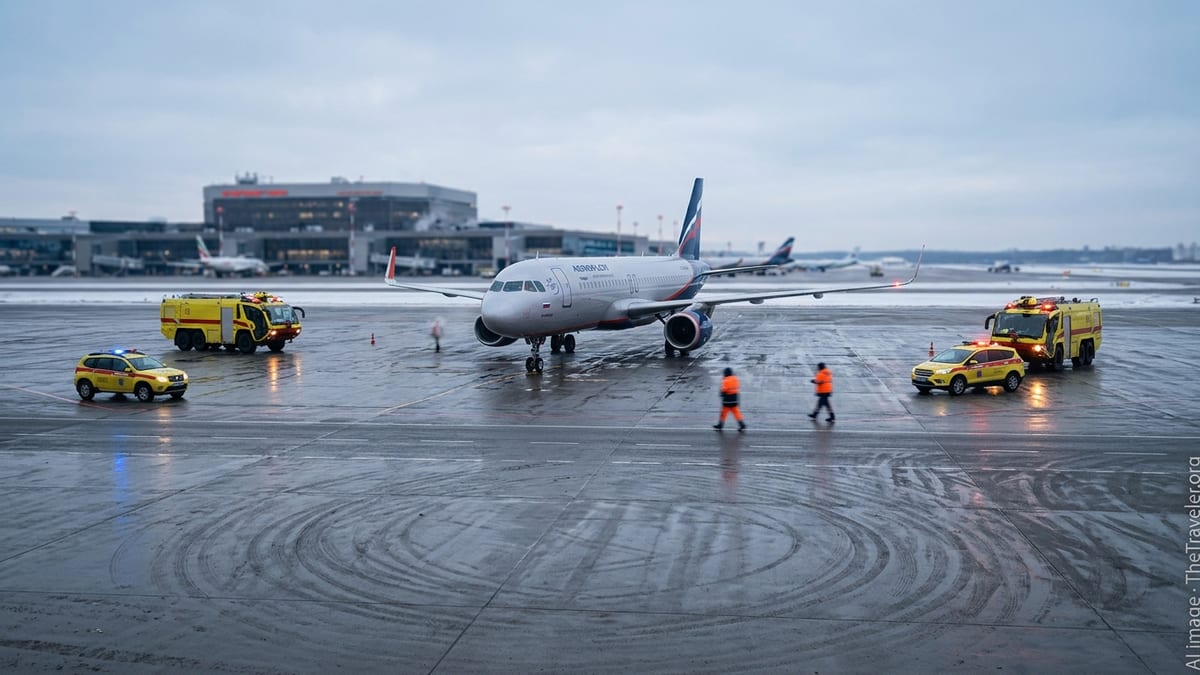
Russia Moves to Reassure Travelers and Airlines
Russia’s Transport Ministry responded on September 2 with assurances that passenger flights will continue to operate despite rising security concerns linked to the war in Ukraine. Publicly available information shows that Transport Minister Andrei Nikitin emphasized ongoing efforts to strengthen flight safety and airport security, saying the country has solutions in place to address current and emerging threats to aviation.
Reports indicate that Russia’s civil aviation sector has experienced intermittent disruption since Kyiv began targeting military, infrastructure, and logistics sites inside Russia with long-range drones. Temporary airport closures and flight delays have been reported in recent months around Moscow and other major hubs during drone interceptions, yet domestic schedules have largely resumed once incidents ended.
According to published coverage, Russian authorities are keen to project stability to both domestic travelers and the limited number of foreign carriers still serving Russian destinations. Maintaining the appearance of normal operations has become a key priority as the conflict increasingly spills into areas far from the front line.
The latest assurances also come as Russian aviation faces a complex mix of sanctions, spare-parts shortages, and restricted international routes, all of which have already reshaped the country’s air travel landscape since 2022.
Zelenskiy Warns of ‘Closing’ Russian Skies
Zelenskiy’s warning, delivered in an evening address on September 1, urged airlines, insurers, and other aviation stakeholders to reassess the risks of operating in Russian airspace. According to international media translations of his remarks, the Ukrainian president argued that intensified Ukrainian drone and missile operations inside Russia would increasingly intersect with civilian flight paths, making the skies “completely unsafe” if traffic continues as normal.
His comments followed days of Russian strikes on Ukrainian cities, including attacks timed around the start of the school year, which Kyiv has cited as justification for expanding the geographic scope of its own drone campaign. Publicly available information indicates that Ukrainian forces have stepped up long-range strikes on targets hundreds of kilometers from the front line, including near Moscow and Saint Petersburg.
In his message, Zelenskiy framed the warning as a broader consequence of Russia’s decision to wage a prolonged air and missile war on Ukrainian territory. He argued that, over time, the risks borne by Ukraine’s population and infrastructure would inevitably extend into Russian territory, including the airspace that has underpinned the country’s domestic and remaining international aviation links.
Analysts note that the remarks carry both a practical safety message for airlines and an implicit attempt to raise the economic and political costs of Russia’s campaign by pressuring international aviation and insurance industries to reduce or withdraw their exposure to Russian routes.
Rising Drone Activity Over Russia Elevates Aviation Risks
Aviation risk specialists have increasingly highlighted the security implications of Ukraine’s expanding long-range drone program for flights operating in and over Russia. An alert from risk advisory firm Osprey Flight Solutions, cited in multiple outlets, suggests that while most Ukrainian drone and missile strikes are likely to occur within roughly 300 kilometers of the border, daily attacks deeper inside Russia are also considered likely through 2026, including near Moscow and Saint Petersburg.
These assessments underline a growing concern that conflict-related activity is moving closer to key aviation corridors and major airports. In recent months, reports have documented drone interceptions and explosions in the vicinity of large urban centers, occasionally prompting brief closures of airspace sectors or diversions of inbound flights.
For now, international carriers flying to and from Russia are far fewer than before the war, largely due to sanctions and restrictions introduced after the invasion of Ukraine. However, some airlines in the region continue to overfly or serve Russian airports, and flight-tracking data shows a continued pattern of domestic routes criss-crossing the country’s vast territory.
Travel risk consultancies note that even incidents that do not directly involve civilian aircraft can raise insurance costs, alter risk ratings, and prompt airlines to adjust or cancel routes. The combination of long-range drones, air-defense activities, and dense passenger traffic in certain regions is seen as a particular point of concern.
What the Escalating Airspace Tensions Mean for Travelers
For travelers still flying to, from, or over Russia, the latest exchanges between Moscow and Kyiv highlight a shifting risk landscape rather than an immediate, clearly defined closure of routes. Published coverage shows that, so far, Russian airports continue to function, with domestic carriers sustaining most of the country’s scheduled services even as occasional disruptions occur during drone incidents.
Travel security experts advise that the primary implications for passengers may include short-notice schedule changes, temporary diversions, and evolving insurance conditions rather than guaranteed long-term route suspensions. Airlines and tour operators can react differently to shifting advisories, meaning that some carriers might reduce exposure while others maintain services under heightened monitoring.
Industry observers point out that aviation decision-making often hinges on a combination of government guidance, insurer positions, and internal risk models. Zelenskiy’s statement appears designed to influence all three by framing Russian airspace as an increasingly contested environment dominated by unmanned systems and air-defense responses.
For the wider travel sector, the situation reinforces a trend that has been developing since 2022: long-haul routes that once crossed Russian territory have been rerouted, flight times have lengthened, and the map of convenient connections between Europe and Asia has been redrawn. Whether the latest warnings and reassurances will trigger further adjustments will depend on how the pattern of drone activity and airspace management develops over the coming months.
Global Aviation Watches for Policy and Insurance Shifts
The standoff over Russian airspace is being closely watched by regulators, airlines, and insurers worldwide, many of whom recall the far-reaching repercussions of past airspace incidents during regional conflicts. While there has been no widespread regulatory directive to immediately halt overflights of Russia in response to Zelenskiy’s comments, industry observers say that ongoing assessments are likely to intensify.
Governments typically issue airspace guidance through official notices and advisories, which airlines then integrate into route planning. Published reports suggest that some European and North American carriers had already suspended operations over or into Russia earlier in the conflict, while others in neighboring regions have continued routing decisions based on their own risk calculations.
Insurance markets will play a central role in determining the long-term shape of Russian air connectivity. As drone and missile attacks deepen into Russian territory, underwriters may revise premiums and coverage conditions for flights using Russian airspace. That, in turn, could influence whether marginally profitable routes remain viable or are withdrawn.
For now, Russia’s pledge to avoid disruption to its skies serves as both a domestic reassurance and an international signal aimed at preserving what remains of the country’s air links. Whether that commitment can be maintained as the drone campaign and air war evolve will be a key question for travelers, airlines, and policymakers alike.
Reuters: Moscow vows to avoid airspace disruption despite Zelenskiy’s warning
RFE/RL: Zelenskiy warns airlines using Russian airspace
Euronews: Zelenskiy says Russian airspace will effectively be closing