


More news on this day
The United States has issued a new security alert for its citizens in Qatar, warning of a complex regional security environment, the potential for sudden escalation, and possible disruptions to flights and airspace amid heightened tensions in the Middle East.
Get the latest news straight to your inbox!
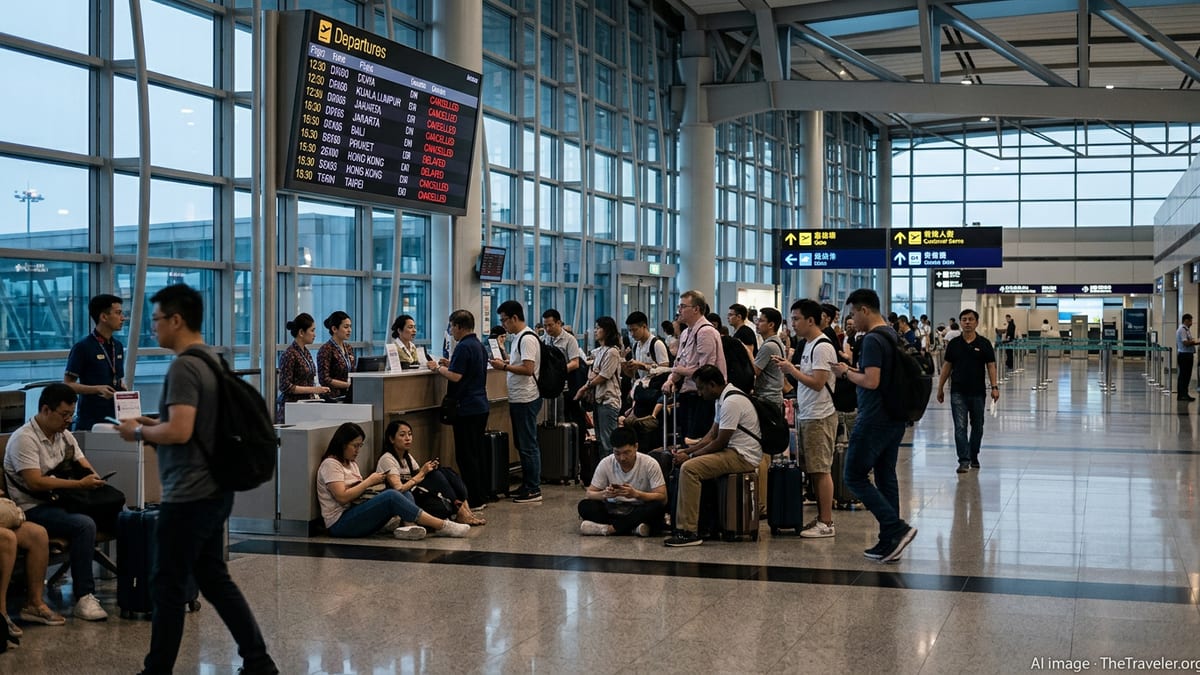
Fresh Qatar Alert Follows Regionwide US Travel Warnings
The latest notice from the US Embassy in Doha, issued on September 1, 2026, advises Americans in Qatar and across the Middle East to remain highly vigilant as regional tensions intensify. Publicly available information on the alert highlights the risk of unforeseen escalation, along with the possibility of flight cancellations, airspace closures and broader travel interruptions affecting movements to, from and within the region.
Coverage of the embassy message indicates that Americans are urged to monitor information on airport and airline operations closely and to be prepared to adjust itineraries at short notice. The language mirrors a wider pattern of US security messaging across the Middle East in recent days, with similar alerts appearing on embassy and consulate channels in neighboring countries.
The Qatar alert builds on a worldwide caution from the US Department of State issued in July, which already flagged the Middle East as a focal point for potential rapid changes in the security picture. That earlier global notice advised US travelers to be ready for periodic airspace closures and unpredictable flight schedules, guidance that is now being echoed in country-specific advisories.
Heightened Risk Linked to US Iran Confrontation
The renewed focus on Qatar comes against the backdrop of a sharp escalation between the United States and Iran, including recent US strikes on targets linked to Iran’s Islamic Revolutionary Guard Corps and reciprocal threats from Tehran. International reporting notes that US Central Command announced operations against Iranian-linked sites after attempts to target commercial shipping and US military personnel in the wider Gulf region.
According to published coverage, multiple US embassies across the Middle East, including those in Israel, Jordan and Qatar, have synchronized their messaging, underlining the “complex” nature of the current environment and the potential for events to shift quickly. The emphasis on unpredictability reflects concerns that further military action or retaliatory moves could spill over into civilian domains, particularly air travel and cross-border movements.
Regional travel advisories on official US platforms also reference the threat of drone and missile activity since hostilities between Washington and Tehran flared earlier in 2026. In guidance covering Qatar and nearby states, the US government points to an ongoing risk to civil aviation stemming from political and military tensions, with warnings that commercial routes may be rerouted, suspended or subject to last-minute timing changes.
Qatar’s Travel Advisory Raised to ‘Reconsider Travel’
Qatar is currently listed at Level 3, “Reconsider Travel,” on the US State Department’s advisory scale. The most recent update for the country, dated August 28, 2026, cites the threat of armed conflict and notes that the security outlook is closely tied to the wider confrontation involving Iran. Official country information highlights an ongoing risk of drone and missile attacks in the region and acknowledges that commercial aviation has already experienced significant disruption this year.
The advisory describes a scenario in which the Federal Aviation Administration has put in place special notices for airspace over and around Qatar, urging US operators to stay abreast of current threat information and to document any suspected safety or security incidents. While routine travel in and out of Hamad International Airport continues, published guidance stresses that schedules can change quickly in response to shifts in the regional threat picture.
At the same time, the updated Qatar advisory notes that family members of US government employees are once again permitted to accompany them in the country, a change that signals a nuanced risk assessment. Analysts observing the region suggest that this adjustment may reflect confidence in local security conditions inside Qatar itself, even as the external environment remains volatile and subject to the knock-on effects of regional tensions.
What Travelers in Qatar Are Being Advised To Do
The September 1 security alert for Qatar encourages American citizens already in the country to take practical steps to reduce risk while continuing with essential travel. The guidance emphasizes heightened situational awareness, avoiding large crowds and staying alert in locations associated with Western interests or high-profile public venues. Travelers are also advised to keep identity documents accessible and to have contingency plans if normal transport links are disrupted.
Available summaries of the alert recommend that Americans check flight status directly with airlines and monitor airport websites for real-time changes to departures and arrivals. Travelers transiting through Qatar on long-haul routes between North America, Europe, Asia and Africa are encouraged to factor in the possibility of longer layovers, diversions or last-minute cancellations when planning trips.
Additional US government resources advise citizens overseas to enroll in the Smart Traveler Enrollment Program, which provides direct email and text updates about evolving security issues and facilitates contact in emergencies. Country information pages also underline the importance of having independent evacuation and medical coverage that does not rely solely on government-assisted departures should the regional situation deteriorate.
Wider Middle East Routes Under Scrutiny
The Qatar alert forms part of a broader pattern of cautionary messaging directed at US citizens throughout the Middle East as the US Iran confrontation continues. Recent reporting points to comparable security notices from US missions in the United Arab Emirates, Jordan and Israel, all of which flag the possibility of rapid changes to air operations and advise travelers to keep travel plans flexible.
According to publicly available information, some carriers in the region have already delayed the full restoration of pre-crisis networks or have adjusted flight paths to avoid sensitive airspace. Industry observers state that additional changes remain possible should tensions escalate further or should any actor in the region carry out attacks that threaten civil aviation corridors.
For now, flights to and from Qatar remain operational, but the consistent phrasing in US alerts about “unforeseen escalation” and “potential travel disruptions” signals that the situation is fluid. Travelers with upcoming itineraries involving Doha and other Gulf hubs are urged by official advisories and media coverage alike to stay informed, maintain flexible booking options where possible, and be prepared for short-notice adjustments as the Middle East crisis unfolds.
US State Department Qatar Travel Advisory
US State Department Worldwide Caution
The Business Standard: US warns citizens in Qatar of potential escalation
IranWire: US embassies issue security alerts in Israel, Qatar, and Jordan
Fox News: US embassies in Middle East warn Americans of escalation