


More news on this day
MSC Cruises is placing renewed emphasis on illness prevention measures as its first Alaska season gets underway, highlighting shipboard hygiene protocols and passenger guidance following heightened public attention on health risks at sea.
Get the latest news straight to your inbox!
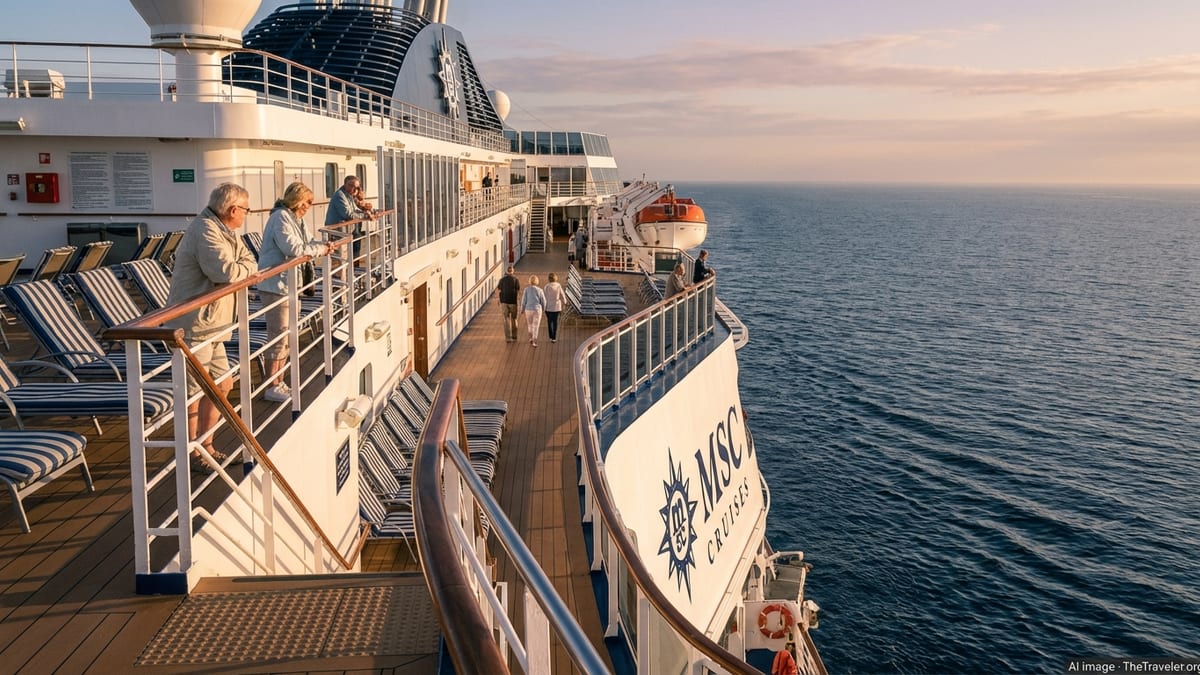
Heightened Focus as MSC Enters Competitive Alaska Market
MSC Poesia is sailing a series of seven-night itineraries from Seattle in summer 2026, marking MSC Cruises’ first dedicated season in Alaska. Publicly available information on the program shows roundtrip voyages calling at popular Inside Passage ports such as Ketchikan, Juneau and Icy Strait Point, along with scenic glacier cruising days that keep guests on board for extended periods.
Industry coverage of the launch indicates that the Alaska deployment is a strategic step in MSC’s North American expansion, positioning the line in a region where health safeguards are closely watched by travelers. Alaska voyages typically attract a mix of families, older passengers and first-time cruisers, many of whom pay particular attention to reports of gastrointestinal illness and respiratory infections on ships.
Travel forums and recent reviews describing early-season sailings on MSC Poesia in Alaska reference generally positive impressions of the onboard experience, while also noting the familiar cruise-ship challenge of promoting consistent hand hygiene among thousands of guests. That backdrop has helped bring MSC’s published health practices into sharper focus as more travelers prepare to embark from Seattle.
Existing Health Protocols Emphasize Screening and Hygiene
MSC Cruises’ publicly posted health and safety materials outline a multi-layered approach to illness prevention that applies across the fleet and is relevant to Alaska sailings. Earlier protocol summaries, still referenced in current documentation, describe pre-embarkation screening processes designed to identify guests with symptoms such as fever, cough or difficulty breathing, and to restrict boarding in higher-risk cases.
The same materials highlight enhanced cleaning routines in public spaces, with particular attention to frequently touched surfaces like handrails, elevator buttons and door handles. Guidance circulated to guests over recent years points to the availability of handwashing stations and alcohol-based sanitizer dispensers throughout ships, including near dining venues where the risk of norovirus and other gastrointestinal pathogens is considered higher.
MSC’s accessibility and medical information further advises passengers with underlying health conditions or those taking immunosuppressant medications to seek medical clearance before travel. This type of pre-travel counseling, combined with embarkation screening and onboard sanitation measures, forms the baseline of the company’s illness precautions for all regions, including Alaska.
Norovirus and Respiratory Risks Shape Passenger Expectations
Cruise travel health advisories from public health agencies describe norovirus and respiratory infections as among the most common concerns at sea, particularly on itineraries where guests spend long periods indoors in shared spaces. Analytical studies of cruise ship outbreaks have underscored that intensive promotion of handwashing and basic respiratory etiquette can significantly reduce transmission in these environments.
Recent discussion threads and traveler reports across cruise communities indicate that some ships in the broader market have experienced norovirus activity during peak season, prompting lines to reinforce hygiene messaging. Contributors occasionally mention experiences of illness on various brands and emphasize the role of personal responsibility, such as handwashing after using restrooms and before meals, in addition to any measures taken by operators.
Against that backdrop, travelers considering MSC’s Alaska voyages are increasingly scrutinizing how visible and consistent hygiene measures are on board. Comments from past MSC guests, including those who have sailed other regions, often focus on the placement of sanitizer dispensers, the cleanliness of buffet areas and the extent to which crew members remind passengers to sanitize before entering dining spaces.
Onboard Measures on MSC Poesia for Alaska Sailings
Although MSC has not announced Alaska-specific illness rules distinct from its global framework, publicly available materials and traveler descriptions point to several precautions that are relevant to MSC Poesia’s current season. These include the strategic placement of hand sanitizer units at restaurant entrances, near stairways and in high-traffic corridors, along with signage encouraging guests to wash hands regularly.
Reports from passengers on recent MSC Poesia cruises indicate that crew members are present at the entrances to some buffet and dining venues, reminding guests to use sanitizer before handling serving utensils. Housekeeping staff are also described as conducting visible cleaning of railings, elevator controls and public restrooms during the day, practices that align with MSC’s previously published guidance on intensified disinfection of common areas.
The ship’s medical center remains a key component of illness management, with guests encouraged in MSC’s general materials to seek evaluation promptly if they develop symptoms such as vomiting, diarrhea, fever or persistent cough. Onboard medical teams can isolate symptomatic passengers in their cabins when necessary and coordinate with local health authorities in ports of call if additional support or testing is required.
What Alaska-Bound Guests Can Expect and How to Prepare
Travel health advisories for cruise passengers recommend that individuals sailing to Alaska take straightforward steps to complement cruise line precautions. These include frequent handwashing with soap and water, especially before eating and after touching shared surfaces, along with use of alcohol-based sanitizer when sinks are not immediately available. Bringing a small supply of personal sanitizer and any regularly used medications is widely advised.
Publicly available guidance also suggests that guests should avoid traveling if they are actively ill shortly before departure and should promptly report new symptoms that develop on board. This approach supports the screening and containment measures set out in MSC’s published protocols by helping ship medical staff identify potential cases early and reduce potential transmission in crowded venues such as theaters and dining rooms.
For MSC Cruises, the first Alaska season aboard MSC Poesia offers both opportunity and scrutiny. As more travelers share their experiences and as health agencies continue to publish cruise-specific advice, illness precautions on board are likely to remain a prominent factor in how guests evaluate the line’s presence in Alaska and decide when, and with whom, to sail.