


Rising above Oslo’s Bjørvika waterfront, the Munch Museum, branded simply as MUNCH, is one of Scandinavia’s most striking cultural landmarks. Home to the world’s largest collection of works by Edvard Munch, it is where many visitors come face to face with The Scream for the first time, and where Norwegians return again and again for bold contemporary shows, concerts and skyline views over the Oslofjord. If you are planning a visit, understanding how tickets work, what exhibitions are on, and how to navigate the 13 story building will make the difference between a rushed stop and a genuinely memorable day.
Get the latest updates straight to your inbox!
Understanding the Modern MUNCH Museum
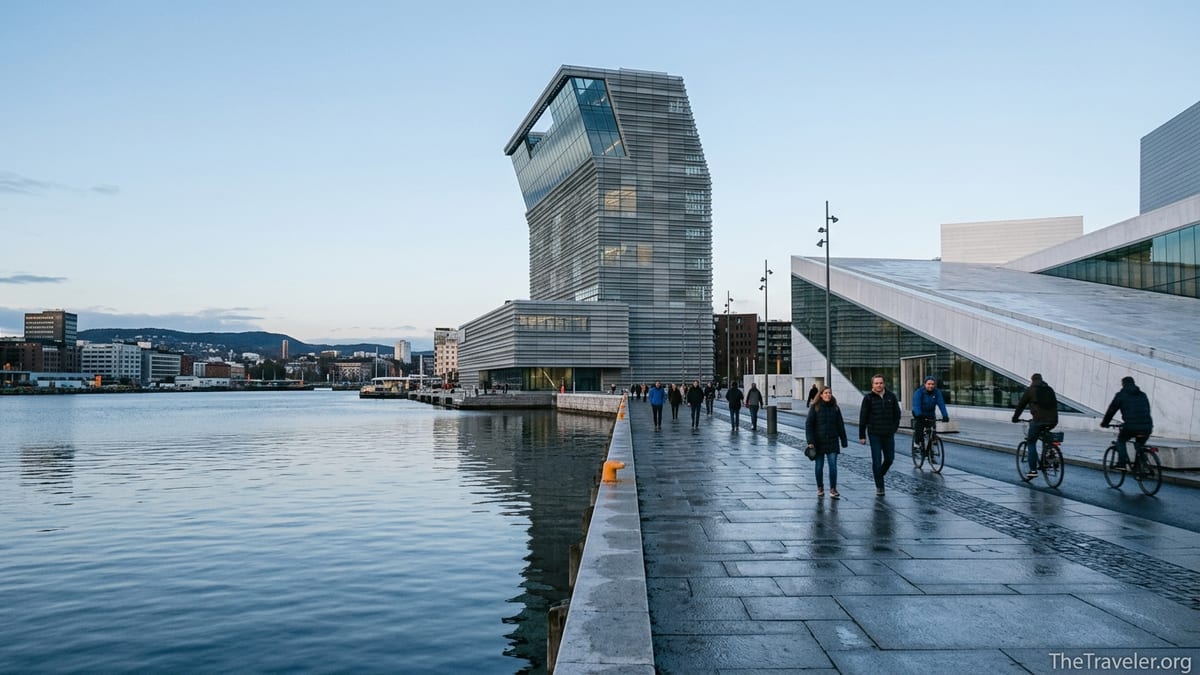
The current Munch Museum stands in the Bjørvika district, a short walk from Oslo Central Station, in a tall, slightly leaning tower of glass and metal that looks over the opera house and the fjord. This is not the low rise Tøyen building older guidebooks still mention, but a purpose built home that opened in 2021 to house the city’s vast Munch collection. Inside, you will find more than ten exhibition levels, several dedicated to Edvard Munch’s own works and others reserved for changing shows of contemporary and modern art, performance and installations.
Most visitors come primarily for Edvard Munch, the Norwegian painter best known for The Scream, Madonna and The Sun. The museum holds tens of thousands of his paintings, prints, drawings and personal objects gifted to Oslo by the artist himself. Only a selection can ever be shown at once, so the curators rotate key works between different collection displays. This means you may not see exactly the same pieces if you return in a few years, but it also keeps the experience fresh for repeat visitors.
The building is designed to feel like a vertical cultural district. Lower levels hold ticketing, a large shop and a riverside café; mid levels showcase major Munch collection exhibitions; upper levels host special shows, event spaces and a top floor bar with some of the best skyline views in Oslo. Elevators and escalators connect the floors, and your ticket grants access to the entire museum, so you can move freely between the different exhibitions during your visit.
Because the museum now shares Oslo’s cultural waterfront with the National Museum and the opera house, many travelers plan a whole day in this neighborhood. It is common, for example, to spend the morning at MUNCH, have lunch overlooking the water, then continue to the nearby National Museum to see its own version of The Scream or other Norwegian masterpieces before finishing the day on the opera house roof.
Ticket Types, Prices and How to Buy
MUNCH uses timed tickets but flexible access inside the building. Adults pay a standard museum entry fee, typically in the range of a few hundred Norwegian kroner. Prices are adjusted from time to time, but it is safe to plan for a mid range European museum price rather than a small local gallery. Children and teenagers often enjoy free or reduced admission, especially under 18, and there are discounts for students and seniors with valid ID. Families visiting with two adults and children can usually save money compared with buying several separate adult tickets.
The most straightforward option is a standard admission ticket that covers all open exhibitions on the day of your visit. This includes permanent Munch displays and temporary shows, whether that is a major survey of Munch’s landscapes or a collaboration with contemporary artists. On busy days, such as summer Saturdays or during major exhibitions, some time slots can sell out, so it is sensible to reserve in advance rather than relying on last minute walk up tickets.
You can buy tickets in two main ways: online in advance or on site at the museum’s ticket desks and self service machines. Many travelers prefer to purchase online a week or two before visiting Oslo, selecting a morning or afternoon entry slot that fits their itinerary. For example, if your Oslo to Bergen train leaves at 16:00, you might choose a 10:00 entry, giving you several hours in the museum and enough time to collect your luggage afterward. If you prefer flexibility, you can usually buy same day tickets at the door, but at peak times you may have to accept the next available slot rather than walking straight in.
Oslo city passes and discount cards sometimes include admission or reduced price entry to MUNCH. If you buy an Oslo Pass for public transport and attractions, check the current benefits before paying separately for museum tickets. Cruise passengers docked close to the city center occasionally find MUNCH offered as part of shore excursions, but these packaged tours tend to be more expensive than visiting independently, and they often include only a short guided visit rather than time to explore the entire building.
Opening Hours, Best Times to Visit and How Long to Stay
Opening hours at MUNCH vary slightly between seasons and weekdays, but the pattern is consistent: the museum opens in the morning, runs through the afternoon, and on some evenings stays open later so locals can visit after work. Closing times are earlier in winter and on certain weekdays, while in summer you can often stay into the evening light. It is best to check the exact schedule for your travel dates, especially around Easter, Christmas and Norwegian public holidays when hours can be reduced.
For a calmer experience, book the earliest available entry of the day or choose a weekday outside the peak summer season. Tour groups and school classes tend to arrive mid morning, so arriving when the doors open gives you half an hour of quieter galleries before the museum fills. Another good option is a late afternoon or evening slot on a day with extended opening hours. Locals sometimes drop in after work, but families and organized tours usually leave earlier, so the upper floors can feel quieter.
Most first time visitors spend between two and four hours at the museum. If you want to see several floors of Munch’s work, take a break for coffee, then return to one or two temporary exhibitions, you could easily use half a day. Travellers with only a short stop in Oslo, such as those on an Oslofjord cruise, might focus on one major Munch floor and the viewing terrace, which can be done in about 90 minutes if you move briskly. Art students or dedicated fans of Munch and modernism often allow a full day, especially if they plan to return in the evening for a concert or performance.
MUNCH is indoors and climate controlled, which makes it an ideal rainy day activity in a city with often changeable weather. If your trip is in autumn or winter, you can comfortably spend hours inside while the wind lashes the fjord outside, then step to a glass wall on an upper floor to watch the clouds roll over the city. In summer, the tall windows and rooftop bar flood with natural light late into the evening, making a post dinner museum visit especially atmospheric.
Current and Recent Exhibitions: What You Can Expect to See
The heart of MUNCH is its long running collection displays dedicated to Edvard Munch. These exhibitions are usually organized by themes and periods rather than strict chronology, with floors focusing on topics such as love, anxiety, nature, and monumental public commissions. One gallery might confront you with a row of intense self portraits from different decades, while another shows the huge radiant mural The Sun, originally painted for the University of Oslo’s ceremonial hall, dominating a double height space.
The famous motif The Scream is one of the main reasons many travelers come. MUNCH owns several versions of the work, and Norway’s National Museum holds another, so the museum rotates which version is on view and how it is presented. At certain times the painting may be shown alongside related prints and drawings to explore how Munch developed the image. At other times, the museum might give more prominence to works like Madonna, Vampire or the Frieze of Life series to broaden visitors’ sense of his output beyond a single iconic image.
Alongside the core Munch floors, the museum programs large temporary exhibitions that connect his work to broader currents in modern and contemporary art. In recent seasons, visitors have encountered shows pairing Munch with artists who explore psychological intensity or the darker side of modernity, and exhibitions focused on his landscapes, coastal scenes and forest motifs. On another visit you might find a cutting edge installation by an international artist occupying an entire floor, or a photography exhibition responding to Munch’s interest in the human body and inner life.
MUNCH also runs a busy events schedule. It is common to see evening concerts as part of the Oslo Jazz Festival, artist talks, film screenings and performance art pieces staged in the building’s flexible spaces. Some exhibitions are timed to coincide with academic conferences on Munch’s politics or symbolism, bringing in scholars and students from across Europe. If you enjoy combining art with live music or late night culture, it is worth checking the museum’s program shortly before your trip rather than relying solely on printed guidebooks.
Practical Visitor Information: Getting There, Facilities and Accessibility
MUNCH is one of the easiest major sights to reach in Oslo. From Oslo Central Station, it is roughly a 10 minute walk across pedestrian bridges and waterfront promenades. Many international travelers arrive by train from the airport and simply roll their suitcase to a nearby hotel, then walk to the museum later the same day. If you prefer public transport, several city bus routes stop close to the building, and there is a tram stop within walking distance. Taxis and rideshare cars can drop you off at the main entrance, and there is paid parking in nearby garages, though driving in central Oslo is rarely the most convenient option for visitors.
Inside, the museum is designed to be fully accessible. Elevators run to every public level, ramps and wide doorways accommodate wheelchairs and strollers, and seating is scattered throughout the galleries. Accessible toilets are available on multiple floors, and staff are generally happy to help with directions or to arrange a wheelchair loan if requested. Large print exhibition texts and audio guides help visitors who find it tiring to stand and read wall labels for long periods.
Families will find practical facilities such as baby changing rooms, lockers for bags and coats, and a relaxed café where children are welcome. Many parents choose to take younger kids first to the more colorful and large scale works, such as The Sun or Munch’s coastal landscapes, then to a family friendly workshop area if one is open that day. Strollers are typically allowed in most exhibition spaces, though for certain tightly arranged shows staff may ask you to park them in designated areas.
Food and drink options include a ground floor café suitable for a quick coffee and cinnamon bun, and a restaurant or bar higher up with panoramic views of the city and fjord. It is quite common for Oslo residents to book a table here for a birthday or a work celebration and combine it with a museum visit. As prices in Norway are generally high, you can expect a simple lunch at the museum to cost more than in many other European cities, though tap water is free and widely offered, and no one will rush you to leave your table.
Planning Your Visit: Combining MUNCH with Other Oslo Highlights
Given its central waterfront location, MUNCH fits naturally into several classic Oslo itineraries. One popular option is to dedicate a full day to the Bjørvika and city center museums. Many travelers start at the National Museum to see its selection of Norwegian and international art, then walk 15 to 20 minutes along the harborfront to MUNCH in time for a late morning entry. After lunch and a few hours exploring MUNCH, they continue next door to the Oslo Opera House to walk on its sloping roof or attend an evening performance.
If you are staying in Oslo for several days, you might dedicate one day to Munch and modern art, and another to outdoor sculpture and history. For example, you could spend one afternoon at MUNCH and the nearby Deichman main library, then on another day visit the Vigeland sculpture park and museum in Frogner, followed by the Akershus fortress or the city’s maritime museums on Bygdøy. This mix balances intense indoor art experiences with time outside in parks and by the water, which is especially welcome in the long days of a Norwegian summer.
Cruise visitors docking at the central piers can often see MUNCH’s angular silhouette from the ship. If you have only six to eight hours in port, a self guided visit to the museum paired with a stroll along the waterfront and up the opera house roof is a realistic plan without feeling rushed. Buying timed tickets in advance will help you avoid losing precious shore time in queues, and the short walking distances reduce your dependence on local transport.
Those traveling by train along the popular Oslo to Bergen or Oslo to Stockholm routes sometimes schedule a stopover night in the capital to visit MUNCH. In this case, choosing a hotel within a few minutes’ walk of the station and waterfront makes sense. You can arrive in the afternoon, take a sunset stroll by the fjord, have an early dinner, then spend the next morning at MUNCH before catching your onward train. This approach turns what might otherwise be a transit city into a highlight of your Scandinavian itinerary.
Insider Tips: How to Get the Most from MUNCH
To make the most of your time, it helps to arrive with a loose plan. Before you step into the elevators, glance at the floor guide and choose two or three must see areas rather than trying to cover every gallery in detail. Many visitors prioritize one major Munch collection floor, the level displaying The Scream and related works, and one current temporary exhibition, leaving time at the end for the viewing terrace or rooftop bar. Approaching the museum this way will keep you from feeling overwhelmed by the sheer scale of the building.
Guided tours and audio guides can deepen your experience, especially if you are not already familiar with Munch’s life and the symbolism in his work. The museum regularly schedules short English language introductions to the collection that you can join for an extra fee or sometimes free with admission. A common pattern is to take a 45 minute guided tour early in your visit, then spend another hour exploring at your own pace, returning to works that intrigued you during the tour.
Photography is usually allowed without flash in many parts of the museum, but policies differ between exhibitions, especially when works are on loan from other institutions. If you hope to take photos of The Scream or specific paintings, check the signage at the entrance to each gallery and respect any no photography symbols. Most visitors find that taking a few wide shots to capture the architecture and atmosphere, then putting the camera away to focus on the art itself, leads to a more satisfying experience.
Finally, remember that Oslo is an expensive city by global standards. If you are traveling on a budget, consider planning your visit to coincide with any discounted late openings or free evenings that may be offered occasionally, and compare the cost of individual tickets with the price of city passes if you plan to visit several museums. Packing a reusable water bottle, making use of the lockers instead of paid cloakrooms when available, and choosing a coffee and pastry rather than a full meal in the museum restaurant are simple ways to keep costs under control without compromising your time with the art.
FAQ
Q1. Do I need to buy Munch Museum tickets in advance, or can I just show up?
It is usually possible to buy tickets on site, but popular time slots, weekends and school holidays can sell out. Booking a timed ticket online a few days in advance gives you more control over when you enter and reduces the risk of waiting for the next available slot.
Q2. How much time should I plan for a visit to MUNCH?
Most visitors spend two to four hours in the museum, which allows time for at least one major Munch collection floor, a temporary exhibition and a break in the café. If you are particularly interested in Munch or contemporary art, consider setting aside half a day or more.
Q3. Is The Scream always on display at the Munch Museum?
The museum owns several versions of The Scream and rotates how and when they are shown, while another famous version belongs to Oslo’s National Museum. At any given time, you are likely to see at least one version or related works, but the exact display can change, so check closer to your visit if this is a top priority.
Q4. Are there discounts for children, students or seniors?
Yes, admission is typically reduced or free for children and teenagers, and there are discounted tickets for students and seniors with valid identification. Families may benefit from special family tickets or caps on the total price, so it is worth checking the current categories before you buy.
Q5. Is the Munch Museum suitable for children and families?
MUNCH is generally very family friendly, with elevators, stroller access, baby changing facilities and informal café spaces. While some of Munch’s themes are intense, families often focus on the more colorful works, large murals and any hands on or workshop areas that may be open on the day of their visit.
Q6. How do I get to MUNCH from Oslo Central Station?
From Oslo Central Station, the museum is about a 10 minute walk along pedestrian routes toward the waterfront. You can follow signs to the opera house and Bjørvika, and you will see the distinctive leaning tower of MUNCH ahead of you. Buses, trams and taxis also serve the area if you prefer not to walk.
Q7. Is the museum accessible for visitors with reduced mobility?
Yes, the building was designed with accessibility in mind. Elevators reach all public floors, there are ramps and wide doorways, and accessible toilets are available on multiple levels. Wheelchairs and other assistance can often be arranged through the staff if requested.
Q8. Can I take photos inside the Munch Museum?
Photography without flash is usually permitted in many galleries, but rules vary between exhibitions, especially when works are on loan. Always check the signs at the entrance to each floor and follow any instructions from staff regarding where and how you can photograph.
Q9. Are guided tours or audio guides available?
The museum offers regular guided tours, often including English language introductions to the collection, as well as audio guides for independent visitors. Some tours are included with admission at set times, while others may require a small additional fee, so it is wise to confirm the schedule when planning your visit.
Q10. What other attractions can I combine with a visit to MUNCH?
Many travelers combine MUNCH with the nearby Oslo Opera House and the National Museum, creating a full day of art and architecture along the waterfront. Depending on your schedule, you might also add the Deichman main library, a harbor walk, or an evening performance to round out your Oslo experience.